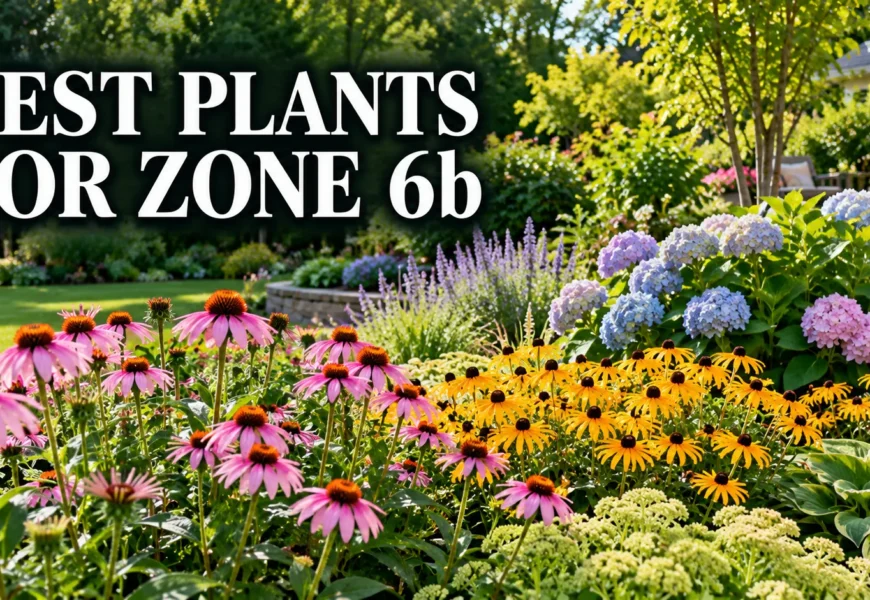
Zone 6b plants include hardy flowers, perennials, shrubs, trees, vegetables and herbs that can tolerate cold winters in suitable growing conditions. Popular choices include coneflowers, black-eyed Susans, hostas, hydrangeas, kale and apple trees. The best plants for Zone 6b depend on more than winter temperatures, though. Sunlight, soil drainage, summer heat and local frost dates all affect how well a plant grows. If you’re planning a colorful flower bed, a low-maintenance landscape or a productive vegetable garden, there are plenty of options to consider. A little planning can help you choose plants that suit your yard and return year after year.
TL;DR: Best Plants for Zone 6b
Some of the best plants for Zone 6b include coneflowers and black-eyed Susans for sunny flower beds, hostas for shady spots, hydrangeas for landscape color, and kale for cool-season vegetable gardens. Apple trees are also worth considering when you have enough space. Check each plant’s sunlight needs, soil drainage and local frost dates before planting. Zone 6b describes winter cold tolerance, not every condition in your garden.
What Is USDA Hardiness Zone 6b?
Zone 6b temperature range and winter hardiness
USDA Hardiness Zone 6b has an average annual extreme minimum winter temperature of −5°F to 0°F. This range helps gardeners identify perennial plants, trees and shrubs that may survive typical winter lows in the area. Zone 6b locations can be found in different parts of the United States, so local weather patterns still matter.
Cold-hardy plants are often good choices for these gardens, but the exact variety makes a difference. A plant labeled for Zone 6 may not have the same cold tolerance as every other plant in that group.
What hardiness zones tell you — and what they don’t
The USDA zone system focuses on winter minimum temperatures. It doesn’t tell you how much summer heat your yard receives, how quickly the soil dries out or whether your garden gets strong winds. Two gardens in Zone 6b can have very different growing conditions.
And a sheltered garden beside a building may experience less winter stress than an exposed bed. Use the zone as your starting point, then consider sunlight, soil type, drainage and moisture before choosing plants.
Best Plants for Zone 6b
Best Flowers for Zone 6b
If you want color without replanting every spring, start with hardy flowering plants suited to your garden’s sunlight.
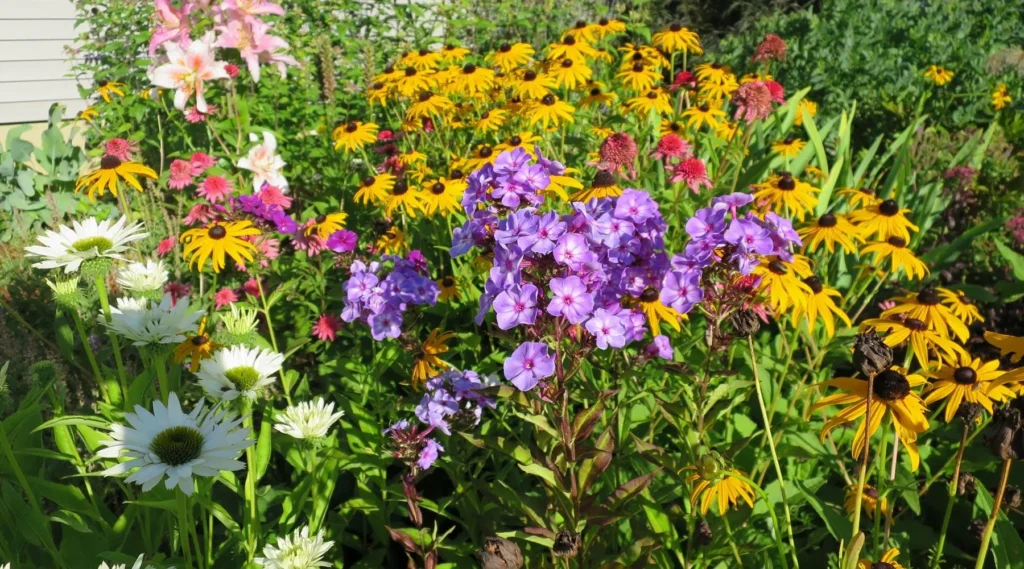
- Coneflowers: These purple or pink flowering perennials grow well in sunny spots with reasonably well-drained soil. Established plants can handle some dry weather.
- Black-eyed Susans: Their golden-yellow petals brighten borders and pollinator gardens. Give them plenty of sun and enough room to spread.
- Daylilies: Available in many colors, daylilies are useful for borders and larger landscape beds. Most prefer sun but can tolerate some partial shade.
These Zone 6b flowers are popular choices, but check the hardiness rating of the particular variety you buy.
Best Perennials for Zone 6b
Perennials return for multiple growing seasons, making them useful for gardens that need lasting color and structure.
- Hostas: Excellent foliage plants for shady or partly shaded beds. They prefer moist, well-drained soil and benefit from protection against slugs and deer.
- Peonies: These long-lived flowering perennials produce large blooms in late spring or early summer. They generally need full sun to flower well and soil that doesn’t stay waterlogged.
- Garden phlox: A good option for sunny borders, with colorful summer flowers that attract pollinators. Air circulation helps reduce powdery mildew problems.
Choose perennials according to their mature size as well as their flower color. Crowded plants often need extra maintenance.
Best Shrubs for Zone 6b
Shrubs add height, privacy and seasonal interest without needing to be replanted each year.
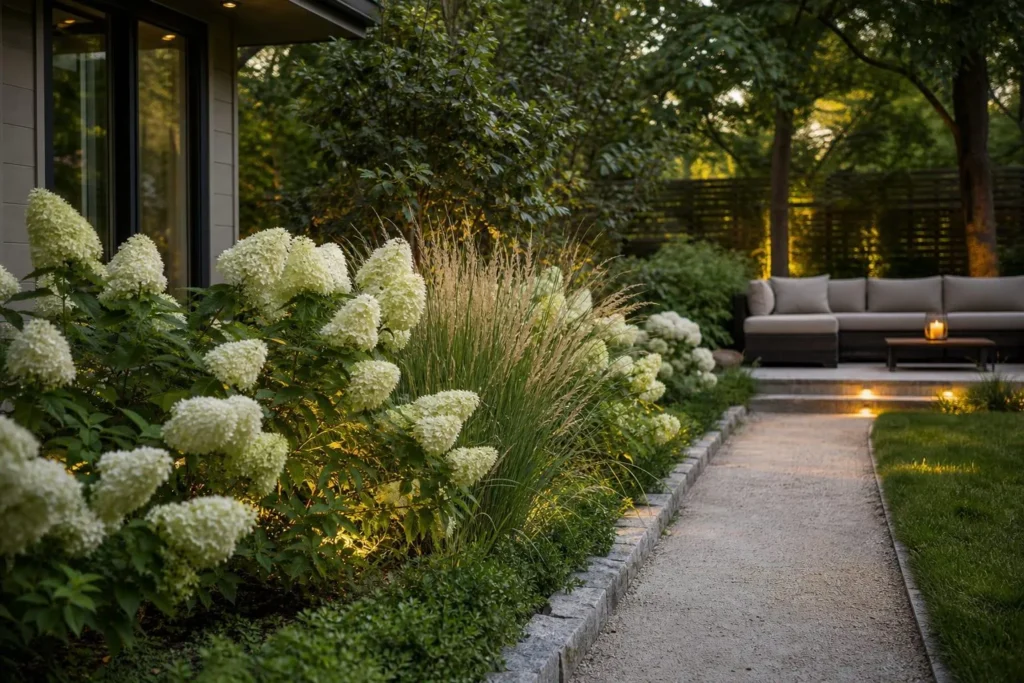
- Hydrangeas: Many hydrangea varieties grow in Zone 6b. Sunlight requirements and pruning methods differ by type, so identify the variety before planting.
- Spirea: Many varieties are hardy shrubs with spring or summer flowers. They generally do well in sunny locations with good drainage.
- Panicle hydrangeas: These produce large flower clusters and are often a useful option for sunny or partly sunny landscapes. Check the mature size before choosing a spot.
For a low-maintenance garden, select shrubs that naturally fit the available space instead of relying on frequent pruning to control their size.
Best Trees and Fruit Trees for Zone 6b
Trees bring shade, structure and wildlife value to a garden. Some also provide edible harvests.
- Serviceberry: A small ornamental tree or large shrub with spring flowers and berries that attract birds. Choose a variety suited to your local conditions.
- Apple trees: Many apple varieties grow in Zone 6b. Some require a compatible second variety for pollination, so check the cultivar’s needs before buying.
- Red maple: A popular landscape tree known for autumn color. It needs adequate room to mature and generally performs best where soil moisture suits the selected variety.
Fruit trees need more planning than ornamental trees. Consider mature height, spacing, pollination requirements and the amount of sunlight available.
Vegetables and Herbs for Zone 6b
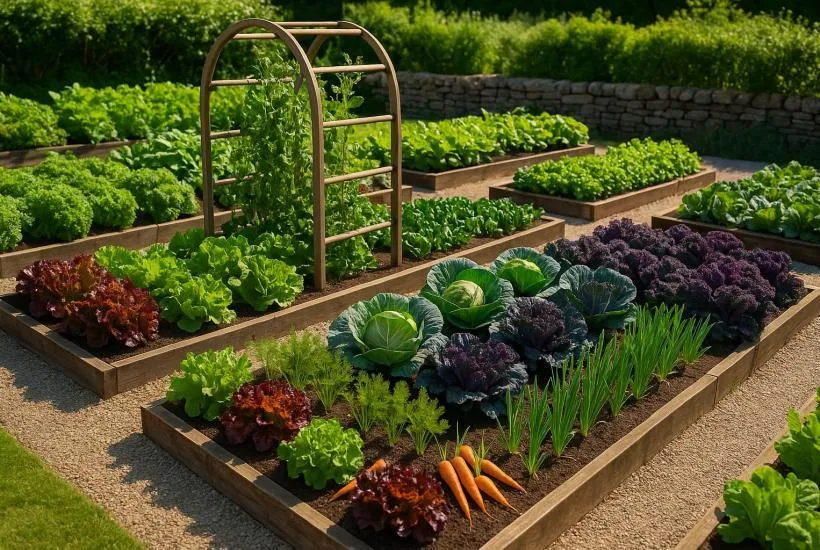
Zone 6b vegetables include cool-season crops and warm-season choices that can grow during the frost-free part of the year.
- Kale: Handles cool weather well and can produce for an extended period when conditions are suitable.
- Peas: Usually grow best during cool spring weather or a suitable fall planting window.
- Carrots: Prefer loose, well-drained soil that allows their roots to develop properly.
- Thyme and chives: Useful culinary herbs for sunny areas. Their winter hardiness and moisture needs depend on the variety and site.
Tomatoes, peppers and other warm-season crops can also grow in Zone 6b, but they should be planted outdoors only when frost risk and temperatures are suitable.
Zone 6b Plants Comparison Table
Use this table to narrow down your choices before visiting a nursery. Care levels are general estimates; climate, plant variety and garden conditions can change how much attention a plant needs.
| Plant | Type | Sunlight | Care level |
|---|---|---|---|
| Coneflower | Perennial | Full sun | Low |
| Black-eyed Susan | Perennial | Full sun | Low |
| Hosta | Perennial | Shade to partial shade | Low–moderate |
| Hydrangea | Shrub | Variety-dependent | Moderate |
| Kale | Vegetable | Full sun to partial shade | Moderate |
| Apple tree | Fruit tree | Full sun | Moderate |
| Thyme | Herb | Full sun | Low–moderate |
Before purchasing, check the plant label for its hardiness range, mature size, watering needs and preferred soil conditions. A plant can tolerate Zone 6b winters yet struggle in a wet bed or a spot that gets too little sunlight.
Best Full-Sun and Shade Plants for Zone 6b
Full-Sun Plants for Zone 6b
Full-sun plants generally need at least six hours of direct sunlight daily. Coneflowers, black-eyed Susans, daylilies and many varieties of spirea can work well in sunny garden beds. Many vegetables also need a sunny location to produce a good harvest.
Watch how sunlight moves across your yard before planting. A spot that looks sunny in the morning might become shaded by a fence or mature tree later in the day.
Shade Plants for Zone 6b
Hostas are popular for shady areas because their foliage adds texture even when flowers aren’t present. Some ferns and shade-tolerant perennial varieties can also suit these spaces. For partial shade, look at plants that tolerate a mix of direct sunlight and filtered light.
And remember, shade doesn’t always mean cool, moist soil. Tree roots can compete for water, so check the ground before deciding how often to water.
Low-Maintenance Plants for Zone 6b
For a garden that doesn’t demand constant attention, consider coneflowers, black-eyed Susans, suitable daylily varieties and hardy shrubs such as spirea. Once established in the right location, many of these plants need less watering than plants placed in unsuitable soil or excessive heat.
Native plants can be another good option, especially when you choose species native to your particular part of the United States. Local native plants may support pollinators and wildlife, but their preferred moisture and sunlight conditions still need to match your yard.
A few simple habits make a difference: space plants according to their mature size, water deeply when needed, remove weeds early and avoid keeping the soil constantly wet.
When to Plant in Zone 6b
Planting time depends on the crop, local frost dates and current weather. Zone 6b covers a large geographic area, so a single calendar date won’t work for every garden.
| Season | Gardening focus |
|---|---|
| Spring | Plant suitable cool-season vegetables and hardy perennials when soil and weather permit |
| Summer | Water as needed, mulch beds and monitor heat stress |
| Fall | Plant suitable bulbs and selected perennials, trees and shrubs early enough for establishment |
| Winter | Plan seed orders, protect vulnerable plants and prepare beds for spring |
Spring Planting
Peas, kale and lettuce can often be planted during cool spring weather. Wait until frost danger has passed and temperatures suit warm-season crops before moving tomatoes and peppers outdoors.
Summer Planting
Focus on consistent watering, weed control and mulch. Newly planted shrubs and trees may need closer attention during hot, dry periods than established plants.
Fall Planting
Fall can be suitable for certain trees, shrubs, bulbs and perennials, provided there is enough time for roots to establish before the ground freezes. Check local recommendations for your area.
Winter Garden Planning
Winter is a good time to review last year’s garden, choose seeds and plan new beds. Protect vulnerable plants when needed, but avoid wrapping or covering every plant without checking its requirements.
How to Care for Zone 6b Plants
Start with well-drained soil suited to the plant. Water according to its needs rather than following the same schedule for every bed. A layer of mulch can help retain moisture and moderate soil temperature, but keep it away from direct contact with tree trunks and plant crowns.
Give plants enough room for mature growth and remove damaged or diseased material when appropriate. Winter protection may be useful for young trees, tender varieties and plants exposed to wind. Good placement often saves more work than trying to correct unsuitable growing conditions later.
Frequently Asked Questions
What plants grow best in Zone 6b?
Coneflowers, black-eyed Susans, hostas, hydrangeas, kale and suitable apple tree varieties are popular choices. Match each plant to your sunlight, soil and watering conditions.
What flowers come back every year in Zone 6b?
Coneflowers, black-eyed Susans, peonies and many daylilies are perennial flowers that can return each year when grown in suitable conditions.
What plants survive winter in Zone 6b?
Many hardy perennials, shrubs and trees can survive Zone 6b winters. Check the specific variety’s hardiness rating and consider winter wind, soil moisture and exposure.
What vegetables can I grow in Zone 6b?
Kale, peas, carrots, lettuce and many other vegetables can grow in Zone 6b. Tomatoes and peppers are also options during the warmer growing season after frost danger has passed.
What fruit trees grow in Zone 6b?
Apple, pear, plum and cherry trees have varieties suitable for Zone 6b. Check each variety’s cold tolerance, pollination needs and local growing recommendations before planting.
Choose Plants That Suit Your Zone 6b Garden
Zone 6b plants can bring lasting color, seasonal harvests and structure to your yard. Start with a few suitable flowers, perennials or shrubs, then add trees and vegetables as space allows. Check winter hardiness, sunlight, drainage and local frost dates before planting. A garden built around the conditions you actually have is usually easier to care for — and more rewarding over time.