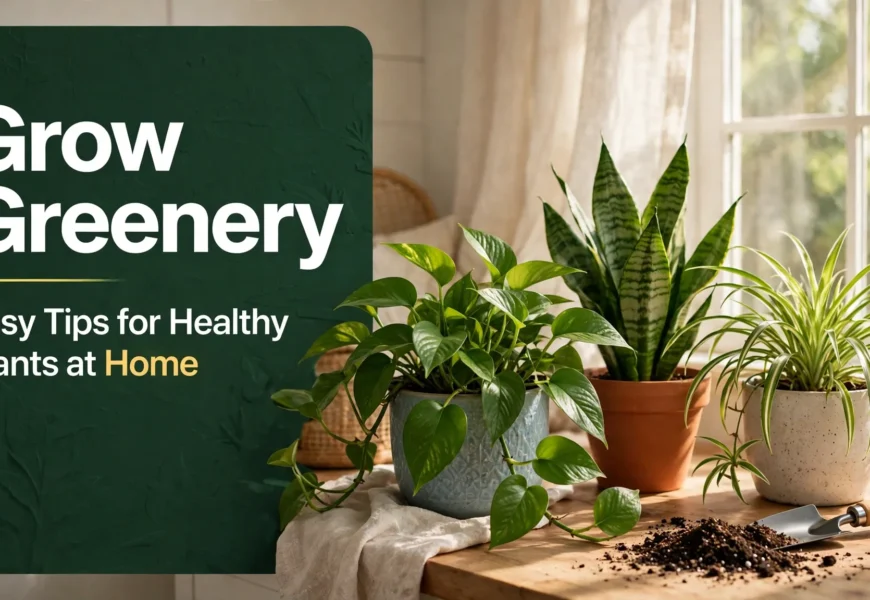
Growing greenery at home is a simple way to bring more natural colour and life into your surroundings. You don’t need a large garden or years of gardening experience to get started. A sunny windowsill, apartment balcony, small patio or backyard can all support healthy plants with the right care. From choosing beginner-friendly indoor plants to preparing suitable soil, watering correctly and managing seasonal changes, a few practical habits can make home gardening easier and more enjoyable.
TL;DR: How to Grow Greenery at Home
To grow greenery at home, choose plants that suit your available space and sunlight. Use a well-draining potting mix and containers with drainage holes. Check soil moisture before watering, provide the right amount of light and remove damaged leaves. Regularly inspect plants for pests and adjust their care as the seasons change.
Why Should You Grow Greenery at Home?
Plants add natural colour and texture to living spaces, but their appeal goes beyond decoration. Home gardening gives you a simple hobby, a chance to care for living things and an opportunity to grow useful plants.
Benefits of Indoor Plants
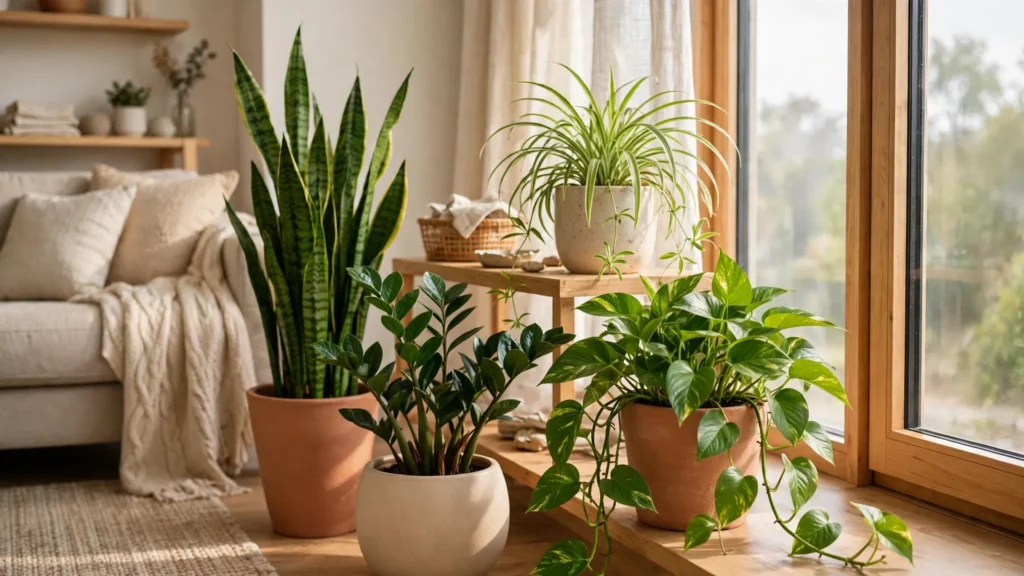
Indoor greenery can make a living room, bedroom or home office feel more inviting. Pothos, spider plants and other houseplants work well in many homes, including apartments with limited floor space. You can also grow herbs such as basil near a bright kitchen window. Looking after plants can become a relaxing part of your daily routine.
Benefits of Outdoor Greenery
Outdoor plants bring life to patios, balconies and backyards. You can grow seasonal flowers, herbs, succulents and selected vegetables in containers or garden beds. Even a small outdoor corner can become a pleasant green space with a few suitable plants.
How to Grow Greenery at Home Step by Step
Starting a home garden doesn’t require expensive equipment. Focus on five basics: plant selection, soil, containers, light and water. Getting these right gives new plants a better chance to settle in and grow.
1. Choose the Right Plants for Your Space
Start by checking how much natural light your home receives. A bright south-facing window may suit plants that need plenty of light, while a room with softer indirect light calls for different choices. Think about the temperature, available space and how much time you can give to plant care.
Beginners can start with low-maintenance houseplants such as pothos, snake plants and ZZ plants. If you have cats or dogs, check each plant’s toxicity before bringing it home. Some popular houseplants can be harmful if pets chew their leaves.
2. Prepare Healthy Soil and Potting Mix
The best soil for indoor plants should hold some moisture while allowing excess water to drain. Regular garden soil is often too dense for houseplant containers. It can compact around the roots and restrict airflow.
Choose a potting mix made for the type of plant you’re growing. Many standard indoor mixes contain materials such as peat or coco coir, bark and perlite. A little organic compost can add nutrients, but avoid using too much. Healthy roots need both moisture and air.
3. Choose the Right Pots and Containers
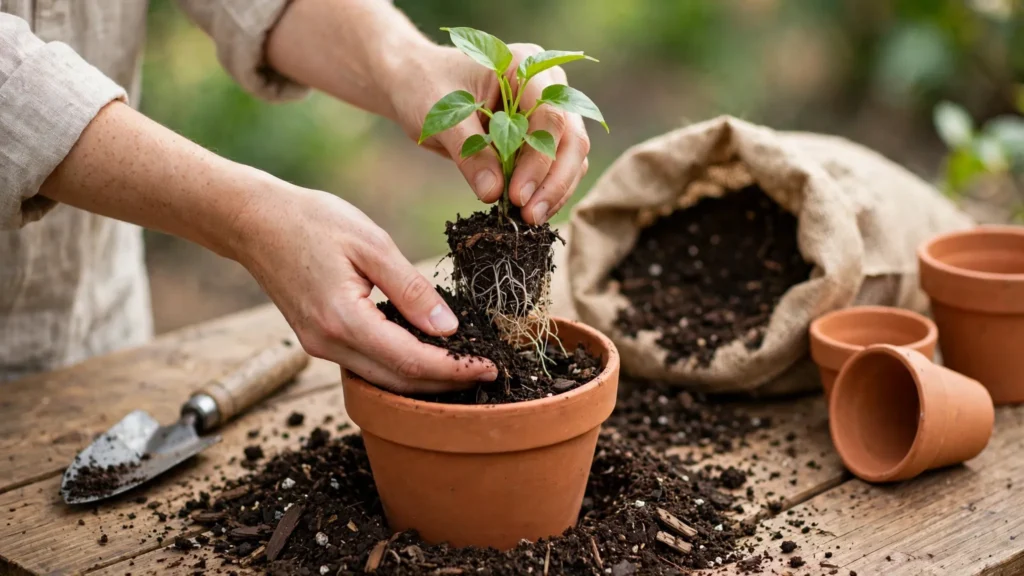
Use plant pots with drainage holes so extra water can escape. Without drainage, water may collect around the roots and cause root rot. Plastic pots are lightweight and retain moisture, while terracotta pots dry out faster. Ceramic pots can be attractive, but check that they have drainage.
Choose a container slightly larger than the plant’s root ball. A pot that’s much too large can hold excess wet soil. Repot when roots become crowded or start growing through the drainage holes.
4. Provide the Right Amount of Sunlight
Plants have different light needs. Bright indirect light is suitable for many popular houseplants, while aloe vera and some succulents prefer stronger light. Direct afternoon sun can scorch leaves that are not used to it.
Place plants near a suitable window and rotate their pots occasionally for more even growth. Low-light indoor plants can manage with less natural light, but low light doesn’t mean no light. If a room is too dark, a suitable grow light can support indoor plant growth.
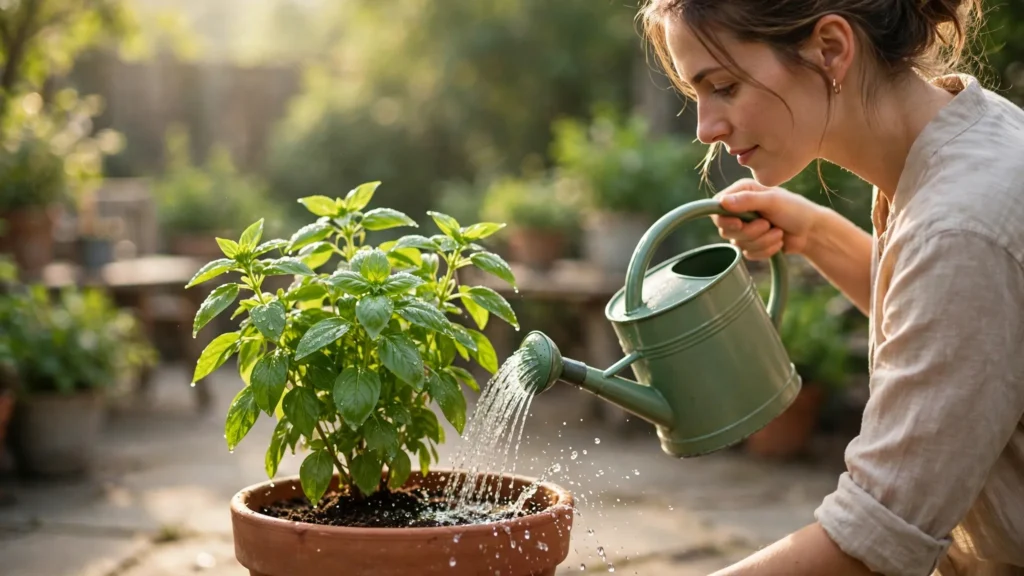
5. Water Plants According to Their Needs
Avoid following a fixed watering schedule for every plant. Instead, check the soil first. For many houseplants, watering is needed when the top inch or two of potting mix feels dry. Succulents usually need the soil to dry more fully between watering.
Water thoroughly until excess moisture drains from the bottom, then empty the saucer. Plants may need less water during cooler months when growth slows. Pot size, room temperature and humidity also affect how quickly soil dries.
Best Easy-to-Grow Plants for Home Greenery
Some plants are more forgiving than others, making them suitable for people who are new to gardening. These options cover different light conditions and growing spaces.
Best Indoor Plants for Beginners
Pothos is known for its trailing vines and can grow in bright indirect light or lower-light spots. Snake plants and ZZ plants tolerate lower light and don’t need frequent watering. Spider plants are another beginner-friendly choice, especially in rooms with bright indirect light. Peace lilies have attractive leaves and flowers, but they need more consistent moisture and are toxic to pets if eaten.
Easy Plants for Outdoor Spaces
Mint and basil are useful choices for outdoor containers when they receive enough light. Grow mint in its own pot because it spreads quickly. Aloe vera suits warm, sunny spots and needs well-draining soil. Seasonal flowers can also add colour to patios and balconies; choose varieties suited to your local climate.
| Plant | Light requirement | Care level |
|---|---|---|
| Pothos | Low to bright indirect light | Easy |
| Snake plant | Low to bright indirect light | Easy |
| Spider plant | Bright indirect light | Easy |
| ZZ plant | Low to bright indirect light | Easy |
| Aloe vera | Bright light | Easy |
| Mint | Bright light | Moderate |
Plant care can vary by variety and growing conditions. Pothos, snake plants, ZZ plants and peace lilies can be harmful to pets if chewed, so check plant safety before buying.
Indoor vs Outdoor Greenery: What’s the Difference?
Indoor and outdoor gardening follow the same basic principles, but the growing conditions are different. Indoor plants depend on window light, room temperature and household humidity. Outdoor plants experience changing weather, rainfall and seasonal temperatures.
| Factor | Indoor greenery | Outdoor greenery |
|---|---|---|
| Growing space | Rooms and windowsills | Yards, balconies and patios |
| Light | Often indirect | Depends on plant; may be direct |
| Water | Depends on soil and pot | Depends on weather and soil |
| Growing options | Houseplants and herbs | Flowers, herbs and shrubs |
| Main concern | Light and indoor humidity | Weather and seasonal changes |
For outdoor gardening in the USA, check your USDA plant hardiness zone when choosing perennial plants. These zones describe average annual extreme minimum winter temperatures. They don’t tell you how much sunlight a plant needs or how often to water it.
How Much Does It Cost to Start Growing Greenery?
You can begin with a few plants and basic supplies rather than buying a complete gardening setup. The following figures are illustrative US budgeting estimates, not verified current retail prices. Actual costs vary by retailer, location, brand and product size.
Basic Gardening Supplies and Estimated Prices
| Gardening item | Estimated US price |
|---|---|
| Small starter plant | $5–$15 |
| Medium houseplant | $15–$35 |
| Plant pot | $5–$20 |
| Potting mix | $8–$18 |
| Compost | $5–$12 |
| Watering can | $8–$15 |
| Basic gardening tools | $10–$25 |
Budget-Friendly Ways to Start a Home Garden
Start with two or three easy-care plants and learn their needs before buying more. Reuse suitable containers, provided they are clean and have drainage holes. Buy only the amount of potting mix you need, especially if you have limited storage space.
You can also propagate certain plants instead of purchasing new ones. Pothos, for example, can grow from stem cuttings placed in water or a suitable growing medium. Not every plant can be propagated this way, so check the method for each variety.
How to Maintain Healthy Greenery Throughout the Year
Regular attention helps prevent small plant problems from becoming harder to manage. You don’t need to spend hours gardening every day; a quick weekly check can catch many issues.
Prune and Remove Damaged Leaves
Trim dead, yellow or damaged foliage with clean scissors or pruning shears. Remove fallen leaves from the soil surface, too. This keeps the plant tidy and makes it easier to spot pests.
Fertilize Plants When Needed
Plants use nutrients from their potting mix, but those nutrients gradually run low. A balanced houseplant fertilizer can support growth during active growing periods, usually spring and summer. Follow the label instructions and avoid applying extra fertilizer to speed things up. Too much can damage roots.
Check for Pests and Plant Diseases
Look under leaves and around stems for small insects, sticky residue, webbing or unusual spots. Common houseplant pests include spider mites, mealybugs and aphids. Move an affected plant away from healthy ones while you address the problem.
Adjust Plant Care by Season
Many plants grow more actively during spring and summer, so they may need more frequent watering. Growth often slows in fall and winter. Check the soil before watering, keep plants away from cold drafts and avoid placing them beside heating vents. Indoor air can become dry during winter, so watch for changes in leaf condition.
Common Mistakes to Avoid When Growing Greenery
A few common plant care mistakes can lead to yellow leaves, weak growth or damaged roots. Check your routine if a plant starts looking unhealthy.
| Common mistake | Possible solution |
|---|---|
| Overwatering | Check soil moisture before watering |
| Insufficient sunlight | Move the plant to a brighter suitable spot |
| Poor drainage | Use containers with drainage holes |
| Too much fertilizer | Follow plant-specific product directions |
| Ignoring pests | Inspect leaves and stems regularly |
Overwatering is a frequent cause of root rot, especially when plants sit in water-filled saucers. Yellow leaves can have several causes, including watering problems, poor light or natural ageing, so check the plant’s growing conditions before making changes.
Frequently Asked Questions About Growing Greenery
1. How Can Beginners Grow Greenery at Home?
Start with two or three easy-care plants suited to your available light. Use well-draining potting mix, pots with drainage holes and a watering routine based on soil moisture.
2. What Are the Easiest Plants to Grow Indoors?
Pothos, snake plants, spider plants and ZZ plants are popular beginner choices. They can tolerate some variation in indoor conditions, although each still needs suitable light and watering.
3. How Often Should You Water Houseplants?
There is no single watering schedule for all houseplants. Check the soil regularly and water according to the plant’s needs, pot size, temperature and season.
4. Can You Grow Greenery Without a Garden?
Yes. Windowsills, shelves, hanging baskets and apartment balconies can support indoor plants and container gardens. Choose plants that fit your available space and light.
5. Which Plants Need Very Little Sunlight?
Snake plants and ZZ plants can tolerate lower-light indoor conditions. They still need some natural or artificial light, and their growth may be slower in darker rooms.
Start Growing Greenery at Home
You don’t need a backyard or a large budget to enjoy healthy plants. Begin with easy-care varieties, give them suitable soil and light, and check their watering needs regularly. From a small apartment windowsill to a sunny patio, you can grow greenery in spaces of many sizes. Start small, learn as you go and add more plants when you’re ready.