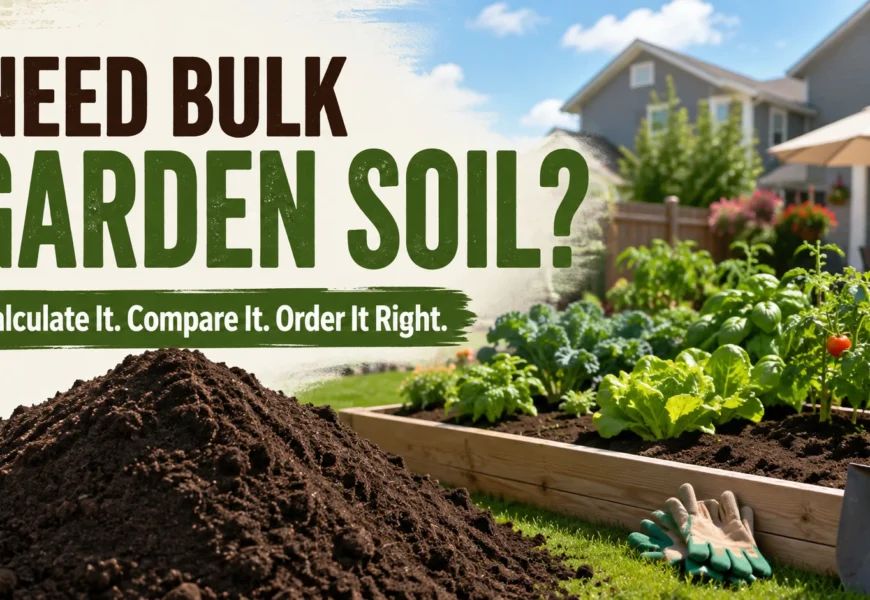
Need a large amount of soil for a new garden bed, vegetable patch, or landscaping project? Buying dozens of small bags can become tiring, costly, and difficult to move around. Bulk garden soil is loose soil supplied in larger quantities, usually for projects that need more material than a few bags can provide. For U.S. gardens, the soil you choose should match your local climate, plants, drainage needs, and growing conditions. Poor drainage can leave roots sitting in wet soil, while an unsuitable mix may not give plants the structure and nutrients they need. Before you place an order, it helps to know how much soil your space requires, which soil mix suits your plants, what you may pay, and how bulk delivery works.
TL;DR: What to Know Before Buying Bulk Garden Soil
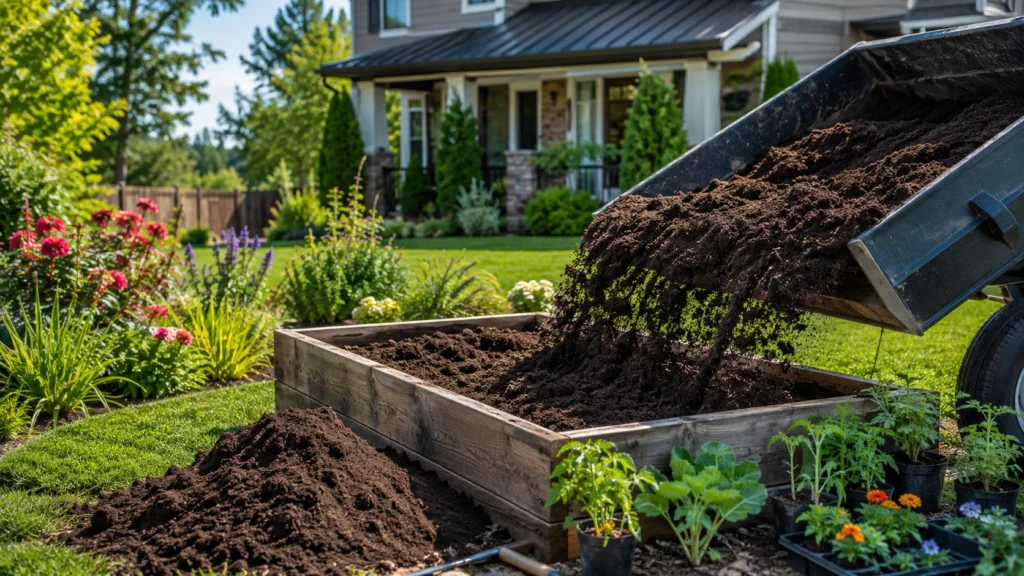
Bulk garden soil suits larger planting areas, garden beds, vegetable patches, raised beds, and landscaping work where a few small bags simply won’t be enough. In the U.S., suppliers commonly quote soil by cubic yard, cubic foot, or bag size, so check the unit before comparing prices. Look at your plants’ needs, soil drainage, organic matter, and texture instead of choosing based on price alone. Before ordering, ask about the soil mix, minimum order, delivery charges, and where the load can be unloaded. Your local climate and soil conditions also matter when picking the right blend.
What Is Bulk Garden Soil?
What is bulk garden soil? It is loose garden soil supplied in larger quantities rather than packed into individual bags. A bulk soil order can be a practical option when you need enough material to fill a new raised bed, refresh a vegetable garden, or cover a larger planting area. Bagged garden soil is easier to carry and store, but buying many bags for a big project can take more time and create more packaging waste. Bulk soil is commonly supplied by a local bulk soil supplier and delivered to your property, depending on the order size and delivery service. The soil itself may be sold as planting soil, a ready-made soil mix, garden blend, or other types of planting media. For flower beds, vegetable gardens, and landscaping, check the soil blend first. A good mix should suit the plants you plan to grow and the conditions of your site.
Bulk Garden Soil vs Bagged Soil: Which Is Better?
The better option depends mainly on the size of your project and how much soil volume you need. For a large garden bed, landscaping job, or several planting areas, bulk soil can save you from carrying and opening dozens of bags. You also pay for a larger quantity at once, which can work out better per cubic foot in many cases. Bagged soil makes more sense for a few containers, a small flower bed, or a compact backyard project where you only need a limited amount. It is easier to store, measure, and carry around the property.
| Factor | Bulk Garden Soil | Bagged Soil |
|---|---|---|
| Best for | Large projects | Small gardens |
| Volume | Large quantities | Smaller quantities |
| Handling | Delivered in bulk | Easy to carry |
| Cost per volume | Often more economical | Usually higher per cubic foot |
| Storage | Requires space | Easier |
| Delivery | May require truck delivery | Easier home delivery or store pickup |
For larger orders, check the bulk soil delivery terms before paying. Ask about minimum quantities, unloading space, delivery charges, and whether the truck can access your driveway or property. For smaller jobs, local garden supplies in convenient bag sizes may be the simpler choice.
How Much Bulk Garden Soil Do You Need?
Ordering too much soil leaves you with an unwanted pile, while ordering too little can delay the project. A quick volume calculation can give you a much better estimate before you contact a supplier.
Calculate Soil Volume
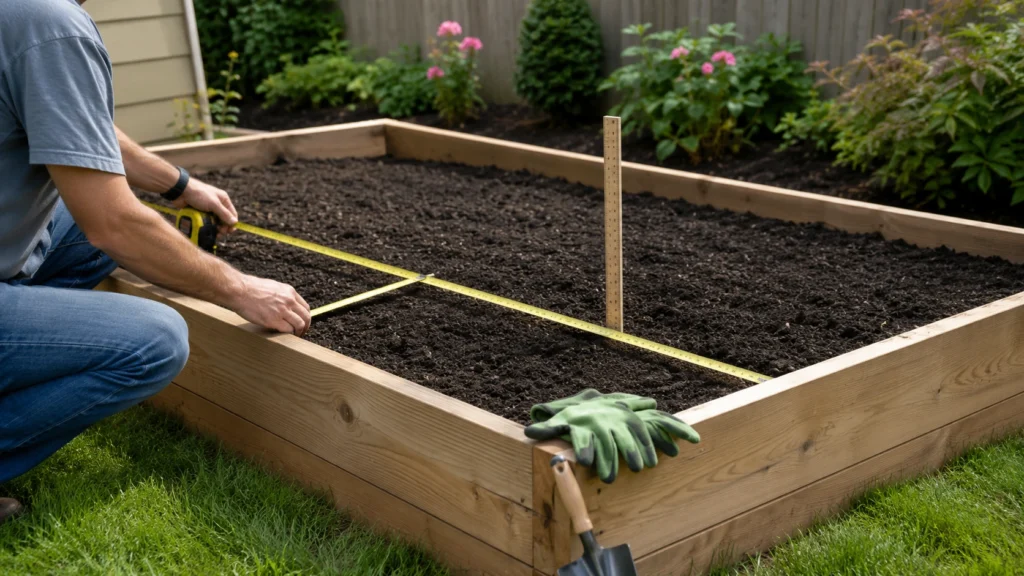
To work out how much soil you need, multiply the length × width × depth of your garden bed or planting area. Use feet for all three measurements to get the result in cubic feet, then divide by 27 to convert the amount to cubic yards.
For example, a garden bed measuring 6 feet long, 3 feet wide, and 1 foot deep needs 18 cubic feet of soil, which equals about 0.67 cubic yards.
For irregular spaces, divide the area into smaller rectangles, calculate each section separately, then add the results together. A soil calculator can also make the process easier if you have several beds to fill.
Quick Soil Quantity Table
| Garden Area | Soil Depth | Approx. Volume |
|---|---|---|
| 4 ft × 4 ft | 6 in | 0.30 cu yd |
| 6 ft × 3 ft | 12 in | 0.67 cu yd |
| 8 ft × 4 ft | 12 in | 1.19 cu yd |
| 10 ft × 5 ft | 12 in | 1.85 cu yd |
These figures are estimates. Soil can settle after delivery and watering, so your final requirement may vary based on the project, existing soil, and how deeply you plan to fill the area. It is often sensible to allow a small amount for settling rather than ordering the exact calculated volume.
How Much Does Bulk Garden Soil Cost?
There is no single bulk garden soil price that applies to every U.S. supplier. Prices can vary based on the soil blend, order size, location, supplier, and delivery details. A basic garden soil mix may cost less than a premium planting mix, while larger orders can have different rates than smaller loads. Your final bill may also include delivery, loading, unloading, and other charges.
Before choosing a bulk soil supplier, ask for a clear quote that shows the soil quantity and delivery cost separately. Check the minimum order too, especially if you only need enough soil for one small garden bed.
| Cost Factor | What to Check |
|---|---|
| Soil | Price per cubic yard or cubic foot |
| Minimum order | Required quantity |
| Delivery | Delivery charge |
| Unloading | Where the soil can be dumped |
| Soil mix | Ingredients and quality |
For soil delivery, driveway access and the unloading point can also affect the total cost, so confirm these details before placing the order. Local delivery fees may vary considerably by distance and supplier.
How to Choose the Right Garden Soil for Your Climate
Your local climate, rainfall, temperature, and growing season can all affect how garden soil performs. A mix that drains too slowly may leave roots sitting in excess water, while one that drains too quickly can dry out during hot or dry periods. For healthy plants, look for a balance between drainage, moisture, and soil structure.
Prioritise Good Drainage
Soil drainage should be near the top of your checklist. Well-draining soil lets excess water move away from the roots instead of creating soggy conditions. This is especially useful in areas that receive frequent rainfall or have heavy clay soil.
Check Organic Matter
Look for organic matter such as compost or other suitable materials. These can improve soil structure, support beneficial soil activity, and provide a better growing environment for plants.
Consider Water Retention
Good soil should hold enough moisture for plants without becoming waterlogged. In hot areas, some moisture retention can be helpful, while gardens with frequent rainfall may need a faster-draining mix.
Match Soil to Your Plants
Vegetables, herbs, flowering plants, ornamental plants, native plants, and container plants may all have different soil needs. Check the recommended planting media before ordering a large load. Raised vegetable beds, for example, may benefit from a nutrient-rich blend with good drainage.
Check Soil Texture and pH
A suitable soil texture supports root growth, while the right pH level helps plants access nutrients. If you’re growing a specific crop or plant, check its preferred conditions before buying. A basic soil test can also show whether your existing soil needs amendments.
Garden Soil vs Topsoil vs Compost vs Planting Media
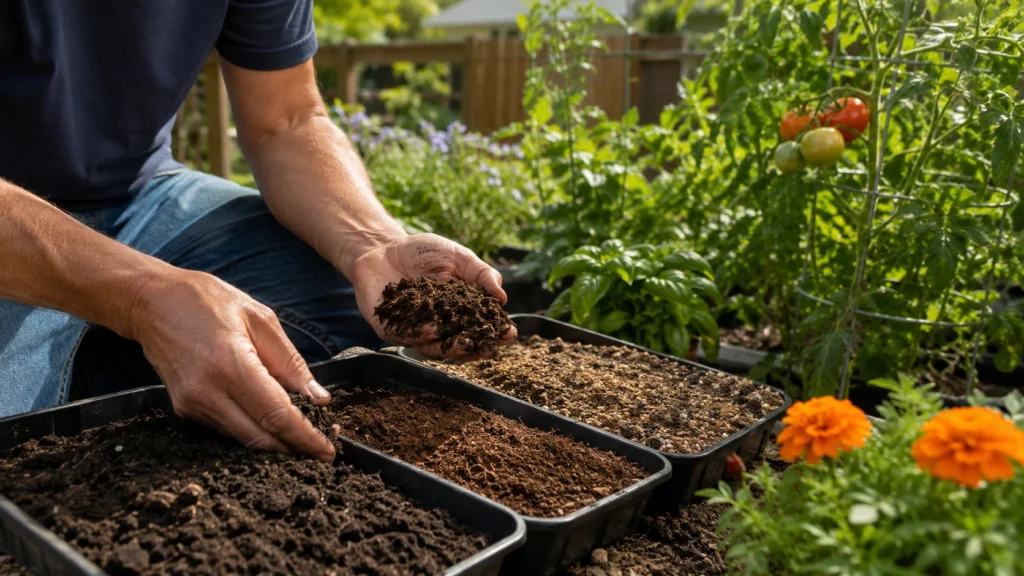
Garden soil, topsoil, compost, and planting media are not automatically interchangeable. Each serves a different purpose, so using the wrong material can affect drainage, root growth, and plant health. For a larger project, check what a supplier’s mix actually contains before ordering.
| Material | Main Purpose |
|---|---|
| Garden Soil | Planting and garden beds |
| Topsoil | Filling, levelling, and landscaping |
| Compost | Adds organic matter and improves soil structure |
| Planting Media | Made for particular planting requirements |
Is garden soil the same as topsoil? Not usually. Topsoil is generally used for filling, grading, and landscaping, while garden soil is often blended with materials better suited to growing plants.
Can compost replace garden soil? No. Compost is mainly an organic amendment and is generally mixed with soil or another growing medium rather than used alone.
What is planting media? It is a growing material or blend designed to give plant roots suitable support, moisture, drainage, and air space.
For larger landscaping projects, you may also encounter specialized soil specifications or engineered soil blends. Check the intended use before assuming a particular product will work for a home garden.
Where to Buy Bulk Garden Soil
If you’re wondering where to buy bulk garden soil, start by checking local landscape suppliers, nurseries, garden centers, and gardening supply stores. Some online gardening suppliers also offer larger quantities, while specialist bulk garden soil suppliers may provide delivery for bigger landscaping or planting projects.
Before placing an order, compare more than the advertised price. Ask what the soil contains, how much you are actually receiving, and whether there is a minimum order. Check delivery charges and unloading arrangements too. Customer reviews can give you a useful idea of product consistency and service quality.
For searches such as bulk soil near me, compare nearby suppliers with delivery options. A local supplier may be convenient, but the lowest soil price isn’t always the lowest final cost once delivery is added.
What to Check Before Bulk Soil Delivery
A little planning before the truck arrives can save you from a messy surprise. First, confirm the delivery date and time, minimum order, and all delivery charges with your soil supplier. Ask where the soil will be unloaded and check that the vehicle has suitable access to reach that spot.
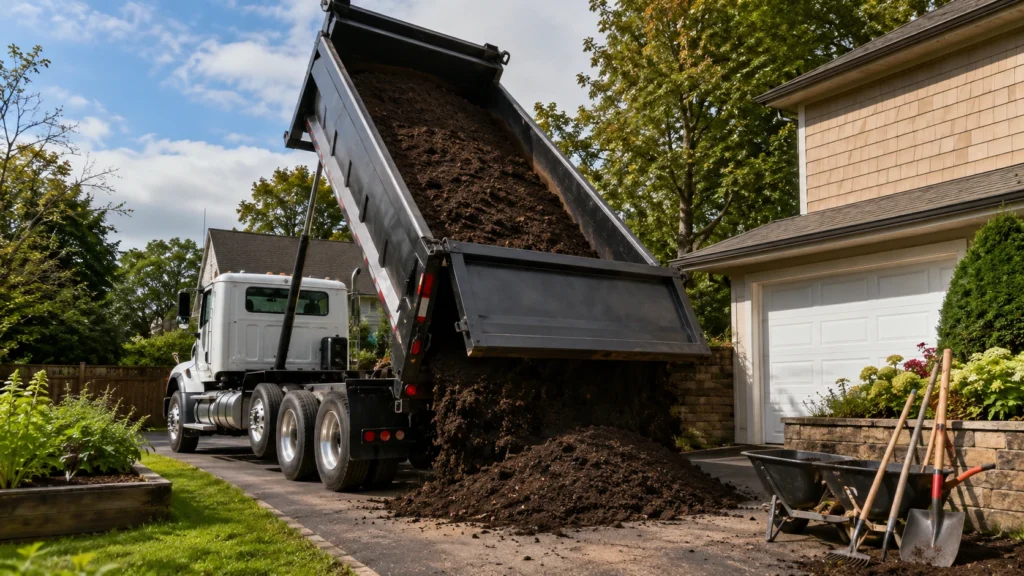
If your order is coming by dump truck, find out how the unloading works and whether there are any driveway or space restrictions. Keep nearby plants, pots, walls, patios, and other surfaces protected from loose soil during the bulk delivery. It’s also smart to confirm the exact soil type and quantity on your order before delivery day. Small details matter when several cubic yards are arriving at once.
5 Common Mistakes When Buying Bulk Garden Soil
Buying soil in a large quantity can be convenient, but a few simple mistakes can leave you with the wrong material or an unexpectedly high bill. Watch out for these before placing your order.
1. Choosing the Cheapest Soil
A low price can be tempting, but check the soil mix and intended use first. Cheap soil may not suit plants that need better drainage or richer organic matter.
2. Ordering Without Calculating Volume
Guessing the amount can leave you short or with a large leftover pile. Measure your planting area and work out the required cubic yards before ordering.
3. Confusing Garden Soil With Topsoil
These materials can serve different purposes. Topsoil may work for filling and landscaping but isn’t automatically suitable as a planting mix.
4. Ignoring Drainage
Soil that holds too much water can create problems for roots, especially after heavy rain. Look for a mix that drains excess water well.
5. Forgetting Delivery Requirements
Check the minimum order, delivery fee, access, and unloading location before paying. A suitable delivery spot should be ready when the soil arrives.
FAQs About Bulk Garden Soil
Q1. What is bulk garden soil?
Bulk garden soil is loose soil supplied in larger quantities rather than small retail bags. It is commonly used for garden beds, vegetable patches, flower beds, raised beds, and larger landscaping projects.
Q2. Is bulk garden soil cheaper than bagged soil?
Bulk garden soil can be cheaper per cubic foot than bagged soil when you need a large amount. Compare the soil price, minimum order, and delivery charges before deciding.
Q3. How much soil do I need for a garden bed?
You need to calculate the bed’s length, width, and depth to estimate the required soil volume. Measurements in feet can be converted to cubic yards by dividing the cubic-foot total by 27.
Q4. What is the best garden soil for different U.S. climates?
A well-draining soil mix suited to your local climate and plants is usually a good starting point. Gardens in hot, dry regions may need more moisture retention, while wet areas may benefit from faster drainage.
Q5. What is the difference between garden soil and topsoil?
Garden soil is generally prepared for growing plants, while topsoil is commonly used for filling, grading, and landscaping. Their composition and intended use can differ.
Q6. Where can I buy bulk garden soil?
You can buy bulk garden soil from landscape suppliers, nurseries, garden centers, and specialist gardening suppliers. Compare soil quality, quantity, delivery, minimum order, and total cost before ordering.
Before You Order Bulk Garden Soil, Check These 6 Things
Before placing your order, run through this quick checklist:
- Correct soil type: Make sure the mix suits the plants you want to grow.
- Required volume: Measure your garden bed or planting area and calculate the soil volume in cubic yards.
- Organic matter: Check whether the mix contains suitable organic material for your plants.
- Drainage: Choose soil that can drain excess water based on your local weather and garden conditions.
- Price + delivery cost: Compare the full cost rather than looking at the soil price alone.
- Minimum order and unloading arrangements: Confirm the minimum quantity, delivery access, and exact unloading point.
Choose the soil based on your plants and growing conditions first, then compare suppliers on volume, quality, and delivery.
Final Thoughts
Buying bulk garden soil is a better fit for larger planting and landscaping projects, but the cheapest load isn’t always the best one. Take a few minutes to check the soil mix, calculate the volume you need, and understand the full delivery cost before ordering. Your local climate and the plants you’re growing should guide the soil choice too. Choose soil that suits your plants and growing conditions first, then compare suppliers based on quality, quantity, price, and delivery arrangements. A little planning upfront can save you from wasted soil, extra costs, and unhappy plants later.