
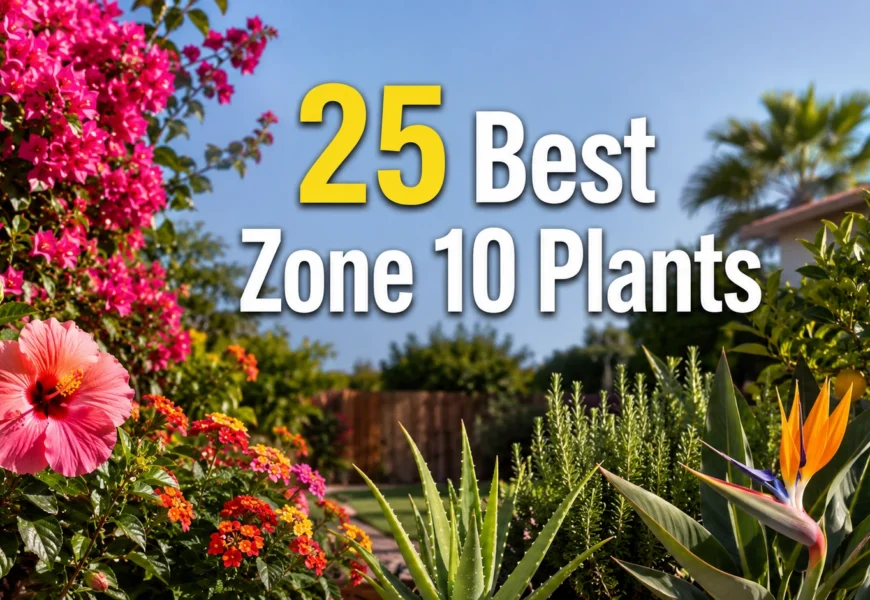
If you’re searching for zone 10 plants, you’re probably looking for flowers, vegetables, herbs, fruit trees, or tropical plants that can handle a warm climate. USDA Zone 10 has mild winters and a long growing season, making it a great hardiness zone for many garden favorites. But Zone 10 doesn’t mean every location has the same growing conditions. A garden in South Florida can be hot and humid, while one in Southern California may be much drier. Sunlight, soil, rainfall, humidity, and summer heat all affect which plants will thrive. So, use your hardiness zone as a starting point, then match each plant to the actual conditions in your yard.
TL;DR — Best Zone 10 Plants at a Glance
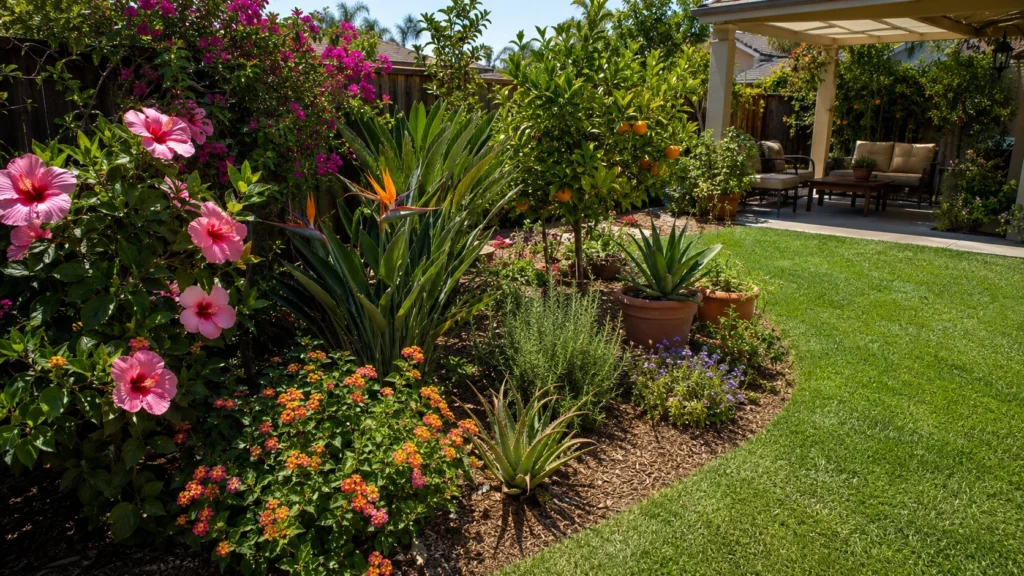
The best Zone 10 plants include heat-tolerant flowers, shrubs, fruit trees, vegetables, herbs, and drought-tolerant choices suited to your yard’s sunlight and watering conditions. Popular picks include hibiscus, bougainvillea, lantana, bird of paradise, gardenia, Meyer lemon, guava, basil, rosemary, and aloe. These plants can handle warm growing conditions, but their needs aren’t identical. Hibiscus and gardenia prefer more moisture, while rosemary, aloe, and bougainvillea can handle drier conditions. For the best results, match each plant with the right amount of sun, water, and well-drained soil.
What Is USDA Zone 10?
USDA Zone 10 is a warm hardiness zone with an average annual extreme minimum temperature of about 30°F to 40°F. The USDA Plant Hardiness Zone Map uses these winter temperature ranges to show which perennial plants are more likely to survive in a location. Zone 10 generally has mild winters, less frequent frost, and a long growing season, giving gardeners plenty of time to grow flowers, vegetables, herbs, and fruit trees. Parts of Florida, Texas, Arizona, California, and Hawaii fall within Zone 10. But the zone number doesn’t tell you everything about your garden. A Zone 10 yard in South Florida can be hot and humid, while one in Southern California or Arizona may be much drier. Sun exposure, soil, rainfall, humidity, and summer heat all affect which plants will thrive.
25 Best Zone 10 Plants for Your Garden
Zone 10 gardens can support plenty of colorful, warm-weather plants, but each one has its own needs. Sun exposure, watering, and soil drainage can make a big difference.
Best Zone 10 Flowers
- Hibiscus
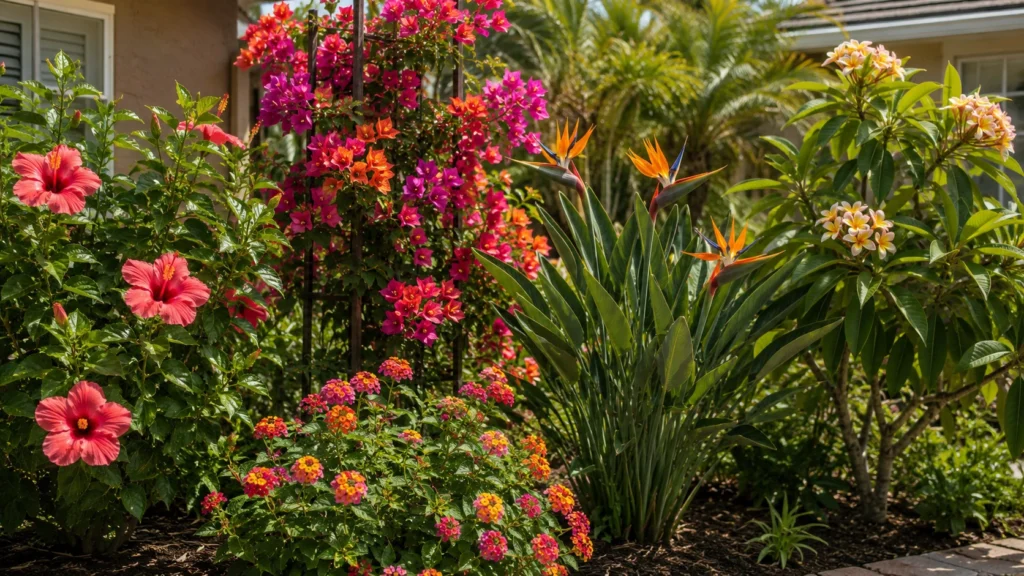
Hibiscus brings bold tropical color to a garden and does best in full sun. Give it moderate, consistent watering and well-drained soil. It’s an excellent landscape flower for adding bright blooms around patios, walkways, or garden beds.
- Bougainvillea
Bougainvillea loves full sun and warm weather. Once established, it can handle dry conditions and limited watering, making it a good choice for sunny, water-conscious landscapes. Give it room to spread and climb.
- Lantana
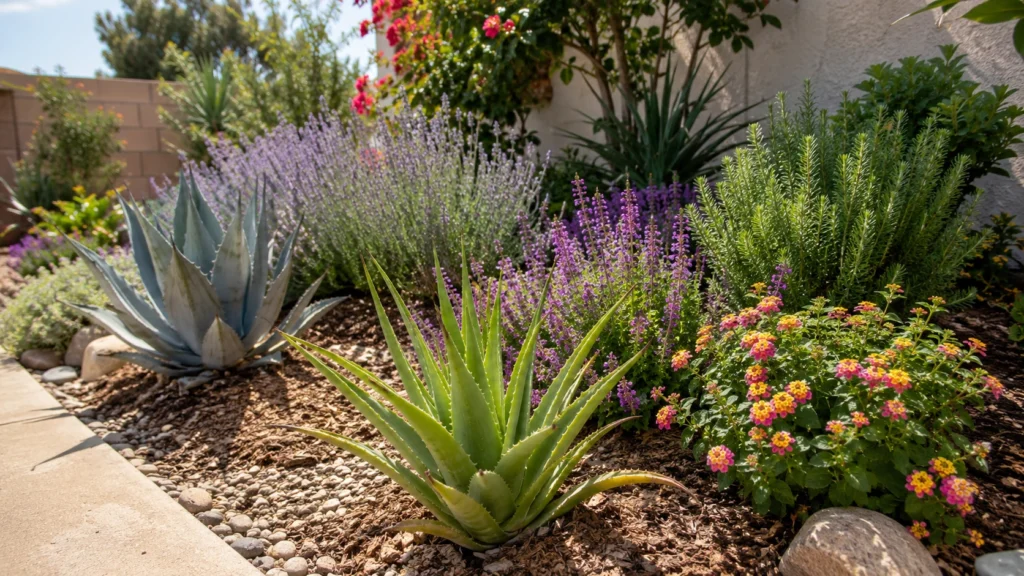
Lantana is a heat-tolerant, low-maintenance flowering plant that can handle plenty of summer sun. Its colorful clusters attract butterflies and other pollinators, making it a useful pick for a lively Zone 10 garden.
- Bird of Paradise
For a tropical appearance, bird of paradise is hard to overlook. It grows well in sun or partial shade and works beautifully as a statement plant near patios, entryways, or open lawn areas.
- Plumeria
Plumeria suits warm climates and produces fragrant blooms that look right at home in a sunny garden. Give it plenty of light, well-drained soil, and protection from unusual cold snaps.
Best Zone 10 Shrubs & Perennials
- Gardenia
Gardenia is loved for its fragrant white flowers and glossy green foliage. It prefers partial sun and consistent moisture, so don’t let the soil stay completely dry for long periods.
- Agapanthus
Agapanthus produces attractive summer blooms in shades of blue, purple, or white. Once established, it can tolerate some dry conditions and works well in sunny borders or containers with good drainage.
- Firebush
Firebush handles heat well and brings bright flowers to warm landscapes. Its blooms can attract butterflies and hummingbirds, making it a nice choice for pollinator-friendly planting areas.
- Pentas
Pentas can provide long-lasting flowers through warm weather and performs best with plenty of sun. Butterflies and other pollinators are drawn to its colorful blooms, while its compact growth makes it useful for borders and containers.
- Oleander
Oleander is a heat-tolerant, drought-tolerant shrub that can work well in sunny landscapes. It needs little fuss once established, but there’s a serious safety point: oleander is highly toxic if eaten. Keep it away from children and pets, and avoid planting it where accidental contact or ingestion could happen.
Best Zone 10 Trees & Fruit Plants
- Meyer Lemon
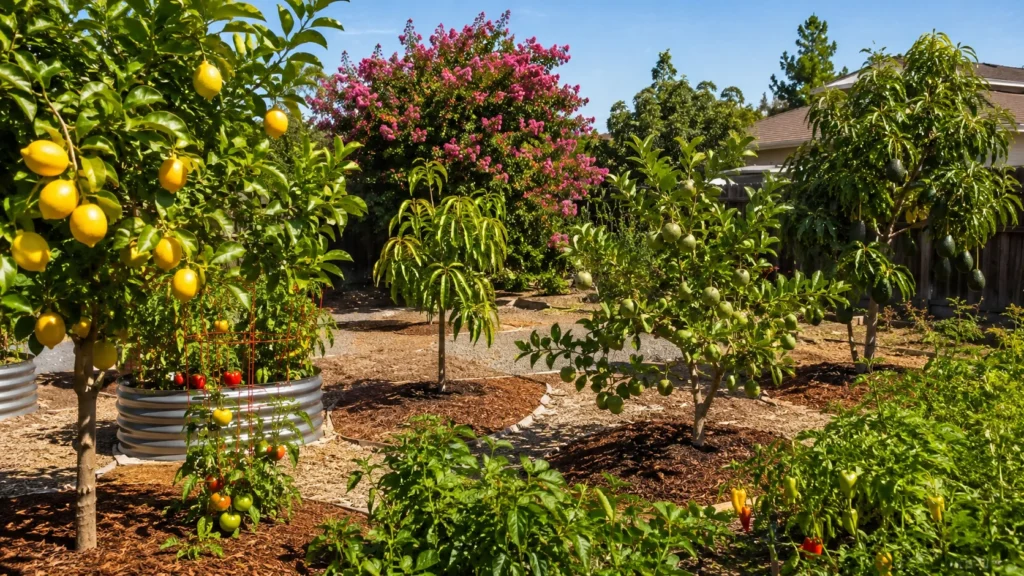
Meyer lemon is a great citrus tree for a sunny backyard. Give it full sun, regular watering, and well-drained soil. With enough space and good care, it can provide fragrant blossoms and homegrown lemons.
- Mango
Mango trees love heat and full sun, making them a natural fit for warm-climate gardens. They need regular water while young, but mature trees can become quite large, so give them plenty of room to grow.
- Guava
Guava is a tropical fruit tree that handles warm conditions well. Plant it in full sun with well-drained soil and enough space for its mature size. It’s a nice backyard choice if fresh fruit is a priority.
- Avocado
Avocado trees prefer full sun and good drainage. Young trees need consistent watering, while established trees still need moisture during dry periods. Check the mature size before planting, as some varieties can become quite large.
- Crape Myrtle
Crape myrtle isn’t a fruit tree, but it’s an excellent landscape tree for a sunny Zone 10 yard. It produces colorful summer flowers and can work as a small tree or larger shrub, depending on the variety.
Best Zone 10 Vegetables & Herbs
- Tomatoes
Tomatoes enjoy warmth and full sun, but extreme summer heat can interfere with flowering and fruit production. In some Zone 10 areas, planting during the cooler part of the growing season can produce better results.
- Peppers
Peppers are well suited to warm gardens and can produce plenty of fruit with full sun and steady moisture. If you’re feeding both crops, our guide to fertilizer for peppers and tomatoes can help you choose a suitable feeding approach.
- Eggplant
Eggplant loves heat, sunlight, and fertile, well-drained soil. Give plants enough room for airflow and keep watering consistent, especially during very hot weather.
- Basil
Basil grows quickly in warm conditions and works well in garden beds or containers. Regular harvesting keeps the plant producing fresh leaves, while afternoon shade can be useful during periods of intense heat.
- Rosemary
Rosemary prefers full sun and well-drained soil and doesn’t like sitting in soggy ground. Once established, it can handle relatively dry conditions and makes a useful herb for a sunny Zone 10 garden.
Best Low-Water & Easy-Care Zone 10 Plants
- Aloe Vera
Aloe vera thrives in full sun and fast-draining soil. It stores water in its leaves, so let the soil dry between waterings rather than keeping it constantly moist.
- Agave
Agave is a strong choice for drought-tolerant landscaping. It handles heat, full sun, and dry conditions well, while its bold shape adds structure to rock gardens and low-water beds.
- Lavender
Lavender prefers plenty of sunlight and soil that drains quickly. In humid areas, good airflow and careful watering are especially helpful. It can bring fragrance to borders, containers, and water-conscious landscapes.
- Rosemary
Rosemary earns another spot here because it’s both a useful herb and a low-water landscape plant. Give it full sun, avoid overwatering, and plant it where the soil drains freely.
- Salvia
Many salvia varieties handle heat and dry conditions once established. They’re low-maintenance plants for sunny areas and can attract bees, butterflies, and hummingbirds. Choose a variety suited to your local growing conditions.
Best Zone 10 Plants by Sunlight & Water Needs
Picking a plant by its hardiness zone is only the first step. Check the amount of sunlight your yard gets, how quickly the soil drains, and how often you can water before settling on a plant.
| Plant | Sunlight | Water Needs | Best For |
| Hibiscus | Full sun/part shade | Moderate | Tropical color |
| Bougainvillea | Full sun | Low | Dry landscapes |
| Gardenia | Part shade | Moderate | Fragrance |
| Lantana | Full sun | Low | Pollinators |
| Meyer Lemon | Full sun | Moderate | Fruit |
| Rosemary | Full sun | Low | Herbs |
Full Sun
Full sun plants generally need 6 or more hours of direct sunlight each day. Bougainvillea, lantana, Meyer lemon, and rosemary are good examples.
Partial Shade
Areas with morning sun and afternoon shade can suit plants that don’t enjoy intense afternoon heat. Gardenia is a good example.
Low Water
If rainfall is limited, look for drought-tolerant plants with lower watering needs, such as bougainvillea and rosemary.
Moisture-Loving
Some plants need more consistent moisture. Gardenia, for example, performs better when the soil doesn’t stay dry for long, while still providing good soil drainage.
How Much Do Zone 10 Plants Cost?
Plant prices can vary quite a bit depending on the variety, container size, nursery, and your location. Small plants are usually easier on the budget, while larger established plants and fruit trees can cost much more. Use these ranges as a general starting point when planning your garden plant cost.
| Plant Type | Typical Nursery Price |
| Small annuals | 5–15 |
| Small perennials | 8–25 |
| Shrubs | 15–50 |
| Young fruit trees | 30–80 |
| Larger established plants | 50–150+ |
For fruit tree prices and landscaping plant cost, the mature size and container size can make a noticeable difference.
Can You Grow Plants Year-Round in Zone 10?
Yes, many Zone 10 gardeners can grow plants throughout the year, but the best crops change with the season. The long growing season gives you plenty of flexibility, though extreme summer heat can make some vegetables struggle.
Warm Season
Tomatoes, peppers, eggplant, and basil generally enjoy the warmer part of the year. Give them enough sunlight, steady moisture, and good air circulation when temperatures climb.
Cooler Season
Lettuce, spinach, carrots, broccoli, and peas can be better choices when temperatures cool down. Lettuce, in particular, benefits from cooler conditions, and checking the nutrients for lettuce can help you maintain healthy leafy growth.
Your local frost dates and extreme summer temperatures matter more than the Zone 10 label alone, so adjust planting times to your area.
4 Common Zone 10 Gardening Mistakes to Avoid
1. Choosing Plants Based Only on the Zone
A plant can be rated for Zone 10 and still struggle in your yard. Sun exposure, humidity, rainfall, and summer temperatures all affect growing conditions.
2. Ignoring Mature Plant Size
That small nursery plant may look harmless now, but some trees and shrubs can become surprisingly large. Check the mature size before planting and leave enough room around it.
3. Overwatering
Warm weather doesn’t automatically mean plants need water every day. Follow the plant’s watering needs and adjust your watering schedule based on rainfall and soil moisture.
4. Ignoring Soil Drainage
Many warm-climate plants still struggle when their roots sit in soggy soil. Good soil drainage, proper plant spacing, and the right growing conditions can prevent many common problems.
How to Choose the Right Zone 10 Plants for Your Yard
The “right plant, right place” idea can save you a lot of frustration. Before buying a plant, take a quick look at the spot where you plan to grow it.
- Check sunlight: Note how many hours of direct sun the area gets.
- Check soil drainage: Avoid placing plants that dislike wet roots in areas where water collects.
- Match water needs: Group plants with similar watering needs when possible.
- Check mature size: Look at the plant’s expected height and width, not just its size at the nursery.
Your local climate matters, too. A plant that thrives in humid South Florida may need different care in dry Arizona. Soil, rainfall, humidity, and summer heat can change how the same plant performs.
FAQ About Zone 10 Plants
What plants grow best in Zone 10?
Some of the best Zone 10 plants include hibiscus, bougainvillea, lantana, bird of paradise, gardenia, Meyer lemon, guava, basil, rosemary, and aloe. The best choice for your yard depends on sunlight, soil drainage, watering needs, and local summer conditions.
What flowers grow in Zone 10?
Hibiscus, bougainvillea, lantana, plumeria, and bird of paradise are popular flowering plants for warm Zone 10 gardens. Most prefer plenty of sunlight, though some can handle partial shade.
What vegetables can you grow year-round in Zone 10?
You can grow vegetables across much of the year, but not always the same crops. Tomatoes, peppers, eggplant, and basil suit warmer periods, while lettuce, spinach, carrots, broccoli, and peas are often better during cooler weather.
What are the best drought-tolerant plants for Zone 10?
Aloe, agave, lantana, rosemary, and salvia are good choices for lower-water gardens. They can handle heat and dry conditions once established, though young plants still need regular watering.
Is Zone 10 good for gardening?
Yes. Zone 10 offers mild winters and a long growing season, but summer heat and water needs can be challenging. Choosing plants suited to your local soil, rainfall, sunlight, and humidity makes a big difference.
Conclusion
Zone 10 gives gardeners plenty of opportunities to grow colorful flowers, fruit trees, vegetables, herbs, and low-water plants. The best zone 10 plants for your yard won’t be chosen by the zone number alone. Check the plant’s hardiness, sunlight needs, water requirements, soil conditions, and mature size before planting. A little planning can prevent overcrowding, poor drainage, and unnecessary watering. And since Zone 10 climates vary across the country, pay attention to your local weather and growing conditions when making your final picks.