
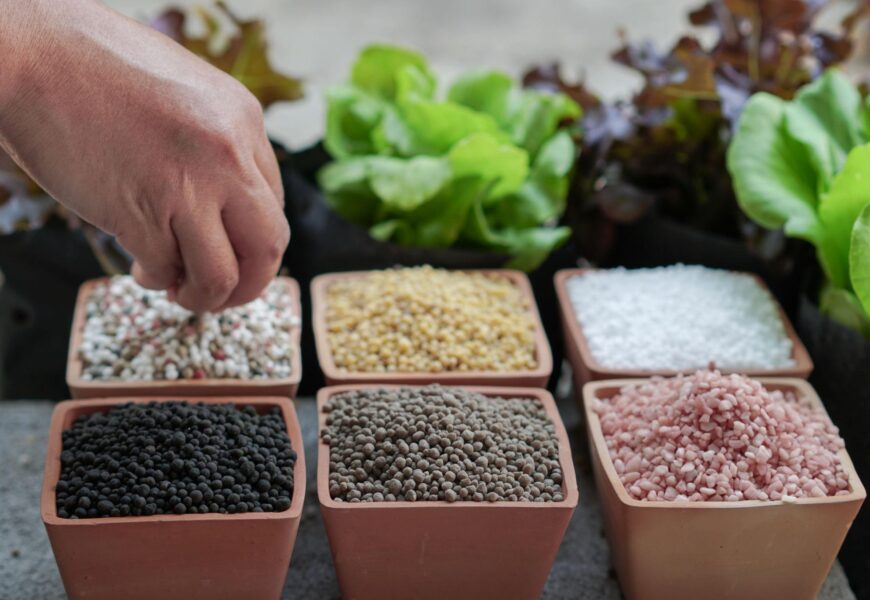
Struggling with weak stems and poor harvests? Organic potassium fertilizer fixes that naturally. Learn the best sources, how to apply them, and how to avoid costly mistakes.
Introduction
Your tomatoes look tired. The leaves are turning yellow at the edges and curling slightly, and the fruit, when it finally comes, is small and underwhelming. You’ve watered consistently, added compost, done everything right. So what’s missing?
Nine times out of ten, the answer is potassium.
Potassium is one of those nutrients that gardeners underestimate until everything starts going wrong. And once you understand how it works — and how to supply it organically — your entire approach to soil health will shift. Not in a dramatic overnight way, but in the way that actually lasts: slow, deep, and built on real biology.
This guide is written for gardeners, small-scale farmers, and anyone who wants to grow stronger plants without reaching for synthetic fertilizers. We’ll cover what potassium actually does in the soil, how to spot a deficiency before it costs you a harvest, the best organic sources available today, and how to apply them without overdoing it.
Let’s get into it.
Why Potassium Is the Forgotten Nutrient (And Why That’s a Problem)
Most gardeners know the NPK triangle – nitrogen, phosphorus, and potassium. Nitrogen gets most of the attention because it drives green, leafy growth. Phosphorus shows up in conversations about root development and flowering. But potassium? It tends to sit quietly in the background until something breaks.
That’s a mistake. Potassium – sometimes called “potash” in traditional farming – is involved in nearly every major function a plant performs. It regulates the opening and closing of stomata (the tiny pores on leaves that manage gas exchange and water loss). It drives the movement of sugars from leaves to roots and fruit. It strengthens cell walls, which makes plants more resistant to drought, cold, and fungal disease.
Without adequate potassium, plants don’t just grow slowly — they become fundamentally weaker. They struggle to pull water up from the roots efficiently. Their immune response to pathogens weakens. Fruits and vegetables taste flat because sugar synthesis breaks down. A potassium-deficient garden isn’t just underperforming; it’s vulnerable.
The problem is compounded by the fact that potassium leaches easily from light, sandy soils. Every heavy rainfall or irrigation cycle can push it deeper into the soil profile, out of reach of most plant roots. Gardens that have been watered heavily for years – without replenishment – often develop creeping deficiencies that don’t show up dramatically, just as a slow, stubborn decline in vigour.
How to Tell If Your Plants Are Potassium Deficient
Recognising a potassium deficiency early saves you a lot of frustration later. The symptoms are distinct, though they can be confused with other issues if you’re not looking carefully.
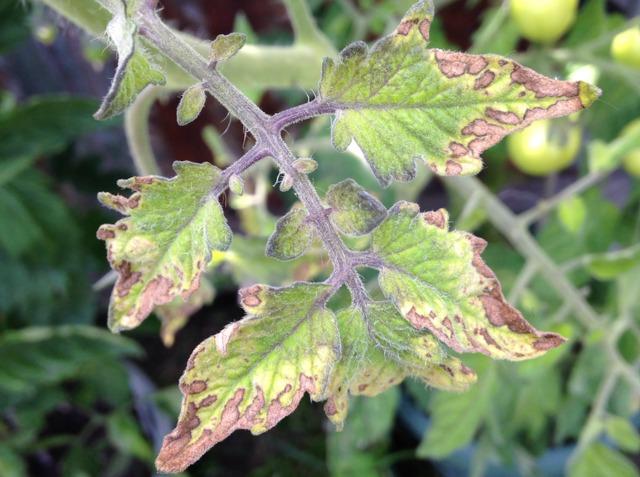
The most common sign is scorched or yellowing leaf margins — the very edges of older leaves start to turn yellow, then brown, as if they’ve been lightly burnt. This scorching typically starts on the lower, older leaves and works its way up. Unlike nitrogen deficiency (which causes a more uniform yellowing of older leaves) or magnesium deficiency (which shows up as interveinal yellowing), potassium damage is concentrated at the leaf edges and tips.
Other signs include:
- Weak, spindly stems that bend or lodge easily
- Fruit that ripens unevenly or has poor flavor
- Increased susceptibility to wilting even when soil moisture is adequate
- Slow recovery after stress events like heat waves or drought
If you’re seeing these symptoms and you’re unsure, a soil test is always the right move before you start adding anything. Potassium toxicity is uncommon with organic sources, but overdoing it can interfere with the uptake of calcium and magnesium — two nutrients you really don’t want to disrupt.
What Makes a Fertilizer “Organic”?
Before we get into specific sources, it’s worth being clear on what “organic” actually means in this context — because it’s a word that gets used loosely.
In the fertilizer world, ‘organic’ simply means the nutrient comes from a natural, carbon-based source: plant material, animal byproducts, or minerals that haven’t been chemically processed into synthetic forms. Organic potassium fertilizers release nutrients more slowly than synthetic options like potassium chloride (muriate of potash) or potassium sulphate produced via chemical processing.
This slower release is not a weakness — it’s one of the biggest advantages. Synthetic potassium is immediately soluble, which means it’s immediately available but also immediately at risk of leaching. Organic sources break down through microbial activity in the soil, releasing potassium gradually over weeks or months. This feeds your plants steadily, builds long-term soil health, and dramatically reduces leaching losses.
Organic fertilizers also tend to come with supporting nutrients, trace minerals, and organic matter that improve soil structure over time. You’re not just adding potassium — you’re contributing to a living soil ecosystem.
7 Best Organic Potassium Fertilizers (And How to Use Each One)
1. Wood Ash
Wood ash is probably the most accessible organic potassium source for home gardeners. If you have a fireplace, a wood stove, or a fire pit, you have a potassium fertilizer sitting right there.
The potassium content in wood ash typically ranges from 3% to 7%, depending on the wood species. Hardwoods like oak, maple, and ash produce richer ash than softwoods. In addition to potassium, wood ash contains significant calcium — which can raise soil pH — along with smaller amounts of phosphorus and trace minerals.
Application rate: About 5–10 pounds per 100 square feet per year, worked lightly into the soil surface or compost pile.
Important caveats: Wood ash is alkaline (pH 10–12), so use it only on acidic soils or with acid-loving plants, and never apply it around blueberries, azaleas, or rhododendrons. Never use ash from treated wood, plywood, or anything that’s been painted or stained.
A gardener I spoke with who grows garlic on a half-acre plot in Pennsylvania has been using wood ash for over a decade. She applies it in late autumn, after harvest, raking it lightly into the soil before mulching for winter. Her garlic bulbs are consistently larger and store better than those from neighbouring plots — and she attributes much of that to the potassium from ash building up in the soil year over year.
2. Kelp Meal
Kelp meal is dried, ground seaweed — most commonly harvested from species like Ascophyllum nodosum from the cold North Atlantic. It’s one of the most nutrient-dense organic amendments available, and it doesn’t just bring potassium to the table.
Kelp meal typically contains around 1–2% potassium along with over 60 trace minerals, natural plant hormones (cytokinins and auxins), alginic acid (which improves soil structure), and polysaccharides that feed beneficial soil bacteria.
The potassium percentage sounds modest, but kelp meal’s real value is as a systemic plant tonic. The natural growth hormones in kelp improve root development and stress tolerance in ways that synthetic fertilizers simply can’t replicate.
Application rate: 1–2 pounds per 100 square feet worked into the soil or used as a liquid extract (kelp tea) as a foliar spray.
Use kelp meal as part of a broader fertility programme, not as a stand-alone potassium source. It’s expensive enough that you’ll want it working synergistically with other amendments.
3. Greensand
Greensand is a marine sedimentary mineral mined from ancient ocean deposits. It’s composed primarily of glauconite, a mineral that contains potassium in a slow-release form — typically 0–3% potassium by weight, though some deposits run higher.
It’s one of the slowest-releasing potassium sources available, which is either a feature or a frustration depending on your goals. If you’re building soil for the long term, greensand is excellent — it can continue releasing nutrients for years after application. If your plants are deficient right now, greensand alone won’t save this season’s harvest.
Application rate: 50–100 pounds per 1,000 square feet for building; 5–10 pounds per 100 square feet for maintenance. Work it deeply into the soil, as it’s most active in the root zone.
Greensand also improves soil tilth, particularly in heavy clay soils where its fine particle size and mineral content gradually improve drainage and aeration.
4. Compost (Potassium-Rich Formulas)
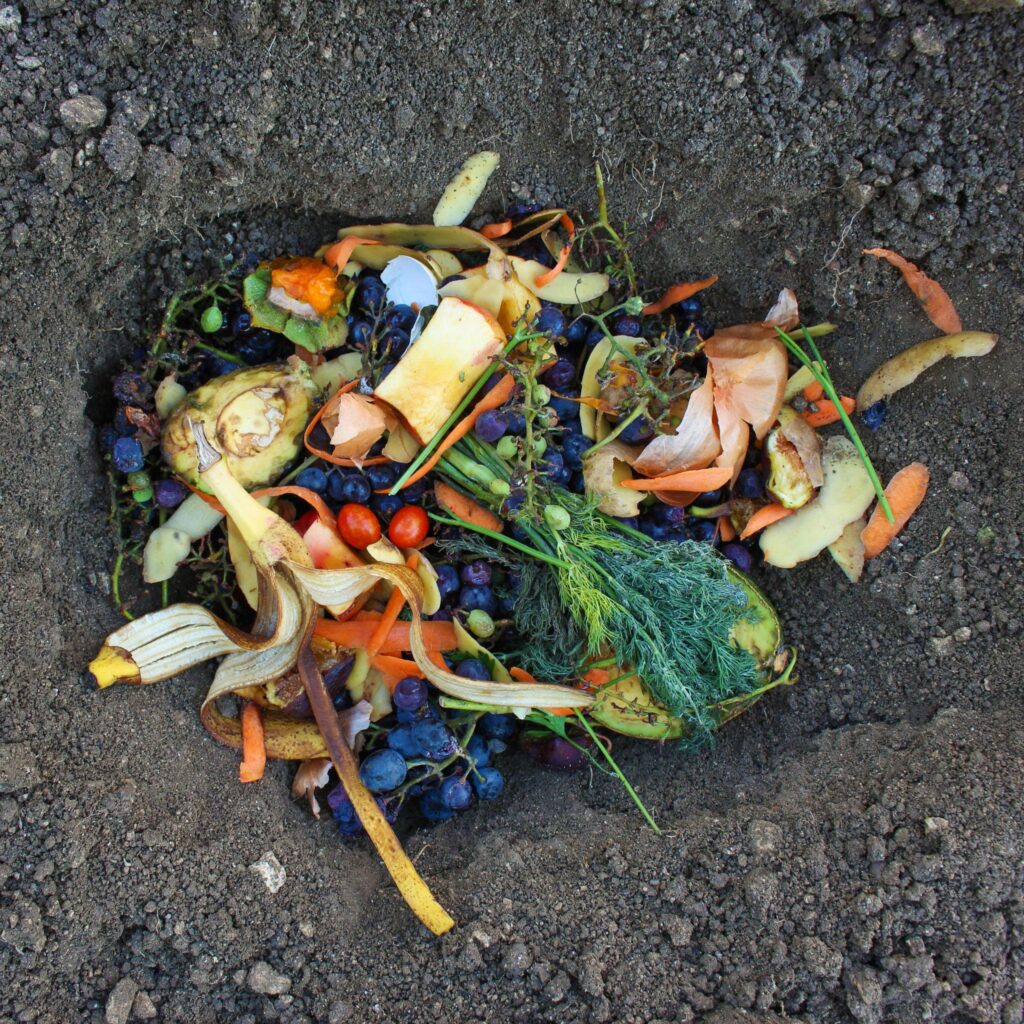
Standard compost isn’t typically thought of as a potassium fertilizer, but the potassium content of finished compost varies enormously based on what goes into it. Compost made with a high proportion of fruit and vegetable scraps, banana peels, wood ash, and straw can be quite rich in potassium.
Banana peels, in particular, are one of the most potassium-dense kitchen scraps you can compost. They decompose quickly and release their potassium relatively fast. Sunflower stalks, beet tops, and potato peels are also excellent inputs.
How to boost potassium in your compost pile:
- Add fruit and vegetable peels generously
- Mix in dried straw or hay (especially from legumes)
- Add a thin layer of wood ash between carbon layers
- Include spent coffee grounds and eggshells for micronutrient balance
A well-made, potassium-rich compost applied at 2–3 inches per year will gradually correct mild deficiencies and maintain healthy levels in productive garden beds.
5. Sul-Po-Mag (Langbeinite)
Sul-Po-Mag — also sold under the name ‘langbeinite’ — is a naturally occurring mineral that contains potassium, sulphur, and magnesium in a form that’s immediately plant-available but still considered an organic input under OMRI (Organic Materials Review Institute) standards.
It’s one of the few organic options that works relatively quickly, making it useful when you’re dealing with an active deficiency mid-season. It’s also pH neutral, so it won’t affect soil acidity the way wood ash does.
| Nutrient | Percentage in Sul-Po-Mag |
|---|---|
| Potassium (K₂O) | 22% |
| Sulfur (S) | 22% |
| Magnesium (MgO) | 11% |
The sulphur content is a bonus for brassicas and alliums (cabbage, broccoli, garlic, and onions), which need sulphur for flavour compound development. If your soil is already high in magnesium, however, use this sparingly, as excess magnesium can compete with calcium uptake.
Application rate: 5–10 pounds per 100 square feet, incorporated before planting.
6. Alfalfa Meal or Pellets
Alfalfa is better known as a nitrogen source, but it also contains meaningful potassium — typically around 1.5–2.5% — along with phosphorus, calcium, and a natural growth stimulant called triacontanol.
What makes alfalfa particularly interesting is how it feeds the soil microbial community. Its high protein content makes it a fast-decomposing, biologically active amendment that stimulates bacterial and fungal populations. These organisms, in turn, make other minerals more available — including any potassium that’s locked in soil particles.
Application rate: 5–10 pounds per 100 square feet worked into the top few inches of soil or brewed into “alfalfa tea” and applied as a drench.
Alfalfa meal is especially popular among rose growers and tomato gardeners who swear by the growth surge it produces in spring applications.
7. Muriate of Potash (Naturally Mined)
Standard muriate of potash (potassium chloride) is typically synthetic and excluded from certified organic programmes. However, naturally mined potassium chloride from underground deposits — like that sourced from ancient sea beds without chemical processing — is approved for organic use by the USDA National Organic Program under specific guidelines.
This naturally mined form contains around 60% potassium and is one of the most concentrated organic options available. It works faster than greensand and is less pH-sensitive than wood ash.
The catch? The chloride component can build up in soils with repeated use and may inhibit beneficial soil organisms over time. Use it as an occasional correction tool for significant deficiencies, not as a routine amendment.
Organic Potassium Fertilizer: Quick Comparison Table
| Source | K% | Release Speed | pH Effect | Best For |
|---|---|---|---|---|
| Wood Ash | 3–7% | Medium | Raises pH | Acidic soils, alliums |
| Kelp Meal | 1–2% | Slow-Medium | Neutral | Whole-garden health |
| Greensand | 0–3% | Very Slow | Neutral | Long-term soil building |
| Compost (enriched) | 0.5–1.5% | Slow | Neutral | Annual maintenance |
| Sul-Po-Mag | 22% | Fast | Neutral | Active deficiency, brassicas |
| Alfalfa Meal | 1.5–2.5% | Medium | Slightly acidic | Tomatoes, roses |
| Naturally Mined KCl | ~60% | Fast | Neutral | Significant deficiency |
How to Apply Organic Potassium Fertilizer Without Overdoing It
Here’s a question worth sitting with: can you apply too much organic potassium?
Yes — though it’s significantly harder to do with organic sources than with synthetics. Excess potassium in the soil creates what’s called an antagonistic imbalance with calcium and magnesium. These three nutrients compete for the same uptake sites on root membranes. When potassium dominates, calcium and magnesium absorption suffers — and both of those nutrients are critical for fruit quality, cell strength, and disease resistance.
The safest approach is always to soil test first. A basic NPK soil test (available through most county extension offices or online labs for $15–30) will tell you your current potassium levels and give you a baseline for how much, if anything, to add.
General application guidelines:
- For maintenance in an established garden: choose one organic source and apply annually at the lower end of recommended rates.
- For correcting a mild deficiency: use a medium-speed source like kelp meal or alfalfa and retest after one growing season.
- For correcting an active, severe deficiency during the growing season: Sul-Po-Mag or naturally mined KCl will work fastest.
- For building soil fertility over 3–5 years: greensand combined with annual compost applications is a long-game strategy that pays off.
Timing matters too. For most crops, incorporating potassium-rich amendments in early spring before planting, or in autumn after harvest, gives them the best chance to be available when plants need them most.
Organic Potassium for Specific Crops
Potassium for Fruit Trees
Fruit trees are heavy potassium consumers — particularly during the fruit development phase. Potassium drives the sugar loading of fruit, which directly affects sweetness, flavour intensity, and storage quality. Apple and pear growers have long known that potassium is one of the most critical nutrients to get right.
For established trees, broadcast a combination of wood ash and compost under the drip line (the area directly under the outer edge of the canopy) in early spring. Avoid placing amendments right against the trunk. A soil test every two to three years keeps you from guessing.
Potassium for Root Vegetables
Carrots, beets, potatoes, and turnips are classic “potassium-hungry” crops. In the case of potatoes especially, potassium influences both yield and tuber quality – low potassium means smaller, darker, poorly storing potatoes. Work Sul-Po-Mag or greensand into the bed before planting and supplement with a kelp meal drench mid-season if plants look sluggish.
Potassium for Tomatoes
Tomatoes need balanced fertility throughout their entire growth cycle, but potassium becomes especially important once flowering begins. Low potassium during fruiting leads to blossom end rot (often combined with calcium issues), poor fruit set, and flat flavour.
Top-dress tomato beds with alfalfa meal when plants reach 12–18 inches tall, and consider a kelp tea foliar spray every two to three weeks through flowering.
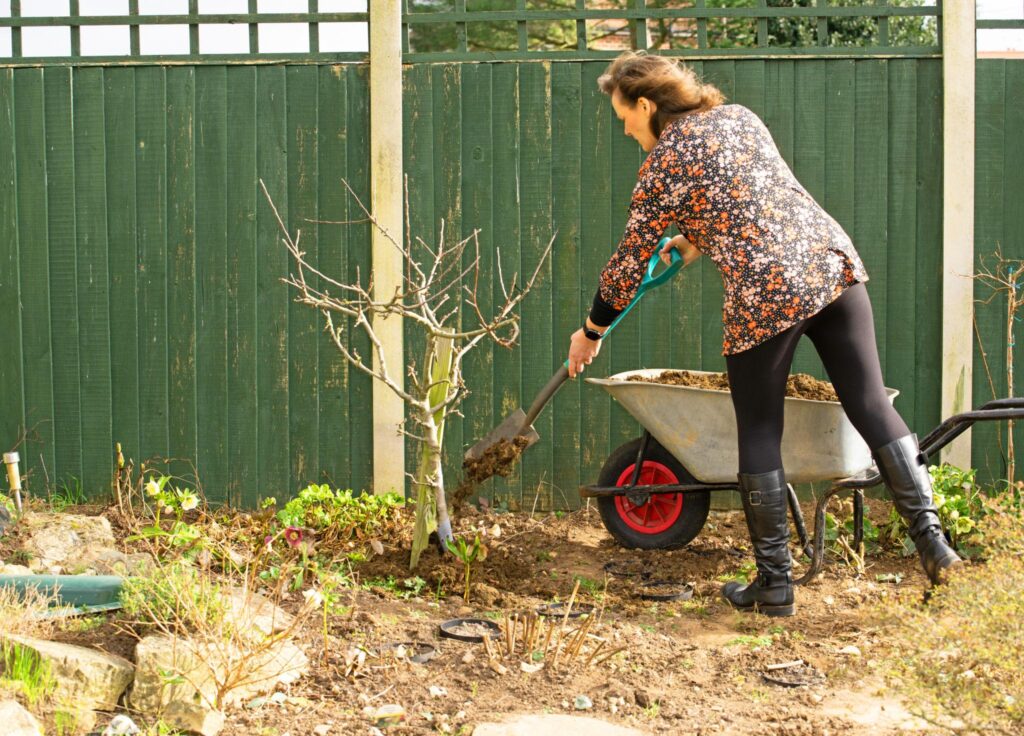
A Real-World Example: Restoring a Depleted Market Garden Bed
A small market garden in Vermont had been intensively cropping the same beds for eight years — heavy vegetables, two crops per season, and irrigation through dry summers. By year seven, the farmer noticed tomato plants were setting fruit poorly despite good soil moisture and adequate nitrogen. A soil test revealed potassium levels in the “low” range despite regular compost applications.
The following season, she made three changes: she added greensand at 50 lbs per 1,000 square feet in early spring tillage, switched her compost recipe to include more banana peels and fruit scraps, and added a Sul-Po-Mag application at planting for her heavy feeders. By late summer, tomato yields were up noticeably, and the peppers — which had been struggling for two seasons — produced their best crop in years.
The lesson: even good organic practices need to be recalibrated when soil tests reveal specific deficits. Compost alone isn’t always enough.
Common Mistakes to Avoid
Applying without testing. It’s tempting to add something when plants look stressed, but adding potassium to a soil that’s already high won’t help and may cause imbalances. Always test first.
Using the same source every year without variation. Different organic potassium sources bring different secondary nutrients and behave differently in the soil. Rotating or combining sources gives your soil more biological diversity.
Neglecting soil pH. Potassium availability drops sharply when soil pH falls below 6.0 or rises above 7.5. If your soil is out of range, fixing pH often resolves apparent potassium deficiency without adding more potassium at all.
Expecting overnight results. Most organic amendments work over weeks and months, not days. If you’re in the middle of a growing season with visible deficiency symptoms, pair a fast-acting source (Sul-Po-Mag) with your longer-term amendments.
Conclusion: Feed the Soil, Not Just the Plant
The best gardeners and growers I’ve encountered think about fertilizer differently than most people. They’re not trying to fix a plant problem; they’re trying to build a soil ecosystem that makes plant problems uncommon.
Organic potassium fertilizer is a part of that thinking. Whether you’re top-dressing with wood ash in November, brewing an alfalfa tea for your tomatoes in July, or working greensand into a new bed that you’re building for next year, every application is an investment in the living system beneath your feet.
Potassium doesn’t work alone. It works with calcium, magnesium, beneficial microbes, organic matter, and the right soil pH to create conditions where plants can actually use what’s in the ground. Get that system right, and the plants will largely take care of themselves.
Your action step: Order a soil test this week. Most results come back in 5–10 days and will tell you exactly where your potassium stands and what, if anything, to do about it. Then pick one organic source from this guide that fits your situation and your budget, and start there. One decision, one amendment, one season of observation. That’s how good soil gets built.
Frequently Asked Questions
Is wood ash safe to use every year?
It can be, but it should be done with attention. Because wood ash raises soil pH, annual applications can gradually make soil too alkaline for many vegetables and fruits. Test your soil pH annually if you’re using wood ash regularly. On very acidic soils (pH below 5.5), annual applications are often beneficial. On neutral or slightly alkaline soils, limit to every two to three years.
Can I use banana peels directly in the garden instead of composting them?
Yes, though composting is more effective. Burying banana peels a few inches below the soil surface near the root zone of plants like tomatoes and peppers allows them to break down in place. They release potassium and some phosphorus as they decompose. Just don’t lay them on the surface—they attract pests and decompose unevenly.
How long does greensand take to show results?
Greensand releases potassium very slowly — full effect may take one to three years depending on soil biology, moisture, and pH. It’s best used as part of a long-term soil fertility programme, not as a quick fix. Pair it with faster-acting sources if you have a current deficiency to address.
Are organic potassium fertilizers safe for organic certification?
Most are, but you need to check the specific product and your certifier’s requirements. OMRI-listed products are certified for use in organic production under USDA NOP standards. Products like greensand, kelp meal, wood ash, Sul-Po-Mag (langbeinite), and naturally mined potassium chloride are generally approved. Synthetic potassium sulphate or potassium chloride produced via chemical processing is not.
What’s the fastest-acting organic potassium source?
Sul-Po-Mag (langbeinite) and naturally mined potassium chloride are the quickest options among certified organic amendments. Kelp liquid extract applied as a foliar spray is also absorbed relatively quickly through leaf tissue, though foliar uptake only addresses deficiency partially and temporarily.