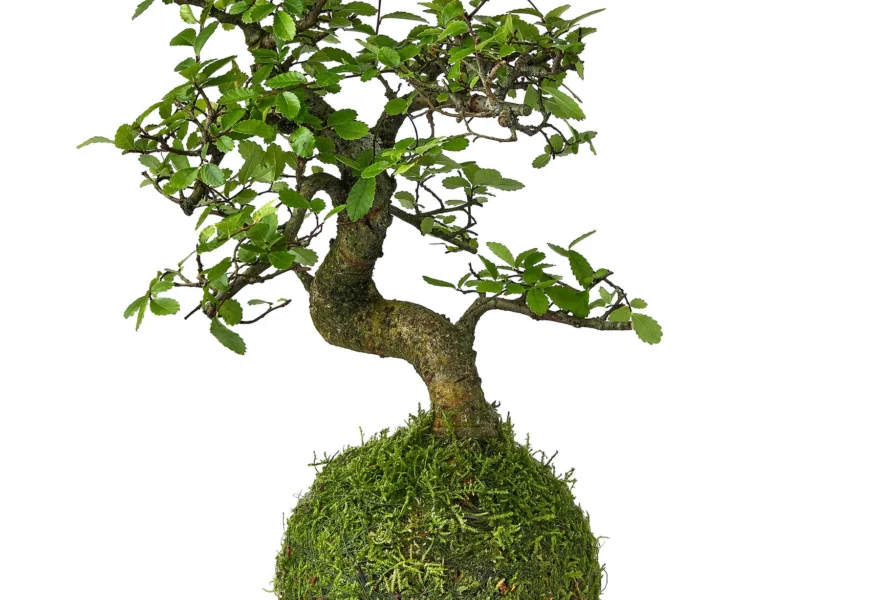
Kokedama best plants for beginners include pothos, ferns, and succulents. Learn which species thrive in moss balls and which ones to skip.
Introduction
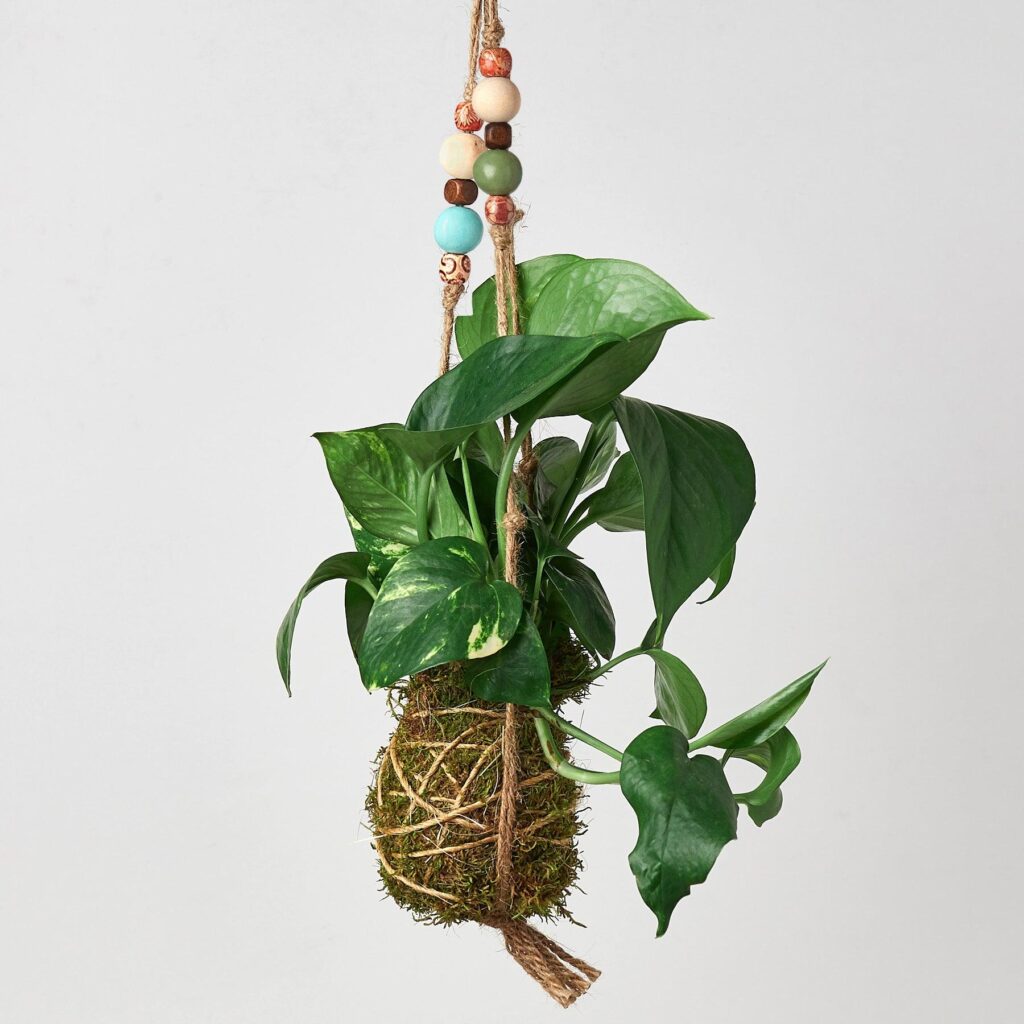
Picture a plant hovering in midair, its roots wrapped tightly in a sphere of living moss, suspended from a simple string. No pot. No visible soil. Just a small green planet floating in your living room. That’s the appeal of kokedama — and it’s exactly why so many people try it once, fall in love with the look, and then watch their first attempt slowly wither within a month.
The plant selection is almost always the reason. Kokedama isn’t a technique that works equally well for every species — some plants are practically engineered for this growing method, while others fight against it from day one. If you’re approaching kokedama for the first time, choosing the right plant will determine whether this becomes a long-term hobby or a one-time disappointment.
What Makes a Plant Good for Kokedama in the First Place?
Before jumping into specific recommendations, it helps to understand the underlying requirements. A kokedama is essentially a small, self-contained root ball wrapped in moss and (often) sphagnum, with no pot to regulate moisture or provide structural support.
The best candidates share a few traits. They tolerate cycles of wet and dry rather than needing constant, even moisture. Their root systems stay relatively compact instead of spreading aggressively. They handle the lower light conditions typical of indoor display locations. And they don’t demand heavy, frequent fertilization, since the limited soil volume in a moss ball depletes nutrients quickly.
Plants that fail this test — thirsty tropicals that wilt the moment they dry out even slightly, or fast-spreading root systems that burst out of their moss shell within weeks — make frustrating kokedama subjects regardless of how beautiful they look in the photos that inspired you.
9 Best Plants for Kokedama (Ranked by Beginner-Friendliness)
1. Pothos (Epipremnum aureum)
If there’s one plant that consistently shows up as the top recommendation across kokedama communities, it’s pothos. The reason is simple: it tolerates almost everything. Low light, irregular watering, occasional neglect – pothos handles it all without complaint, and its trailing vines create a gorgeous cascading effect when the kokedama is hung or displayed on an elevated surface.
Golden pothos and marble queen varieties both work beautifully. The vines grow steadily but not explosively, which means your moss ball stays intact for a long time before needing reconstruction. For a first kokedama, this is genuinely the safest, most forgiving choice you can make.
2. Heartleaf Philodendron (Philodendron hederaceum)
Closely related to pothos in care requirements but with a slightly more refined, glossy leaf texture. The heart-shaped leaves and trailing growth habit make it equally suited to hanging or tabletop kokedama displays.
It shares pothos’s tolerance for inconsistent watering and low light, making it nearly as forgiving for beginners. If you want variety beyond pothos in a multi-kokedama display, philodendron pairs beautifully alongside it without competing for attention.
3. Spider Plant (Chlorophytum comosum)
Spider plants bring movement and personality to a kokedama display through their arching, ribbon-like leaves and the small plantlets (“babies”) that dangle from long runners. They tolerate a remarkably wide range of light conditions, from low indoor light to bright indirect sun.
One thing to know going in: spider plant roots grow fairly vigorously. Expect to rebuild the moss ball every year to year and a half as the root mass expands. This is a minor maintenance task rather than a real downside, and many kokedama hobbyists actually enjoy the periodic rebuilding process as part of the hobby.
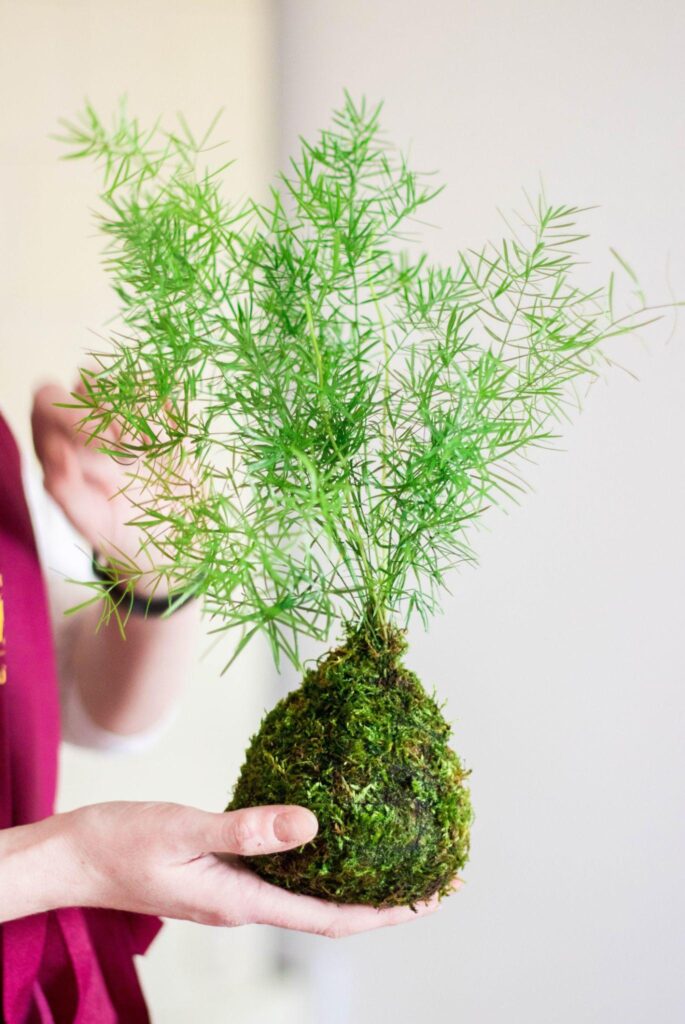
4. Asparagus Fern (Asparagus setaceus / densiflorus)
Despite its common name, this isn’t a true fern — it’s actually related to lilies — but its feathery, delicate foliage gives it a fern-like appearance that looks stunning against dark moss. It’s noticeably more drought-tolerant than true ferns, which makes it a smarter choice for anyone who tends to forget watering schedules.
The plumosus variety has flat, lacy fronds with an elegant, almost lace-like texture. The densiflorus (sprengeri) variety has a fuller, more cascading habit. Both perform reliably in kokedama form with bright indirect light.
5. Succulents (Selected Varieties Only)
This one comes with an important caveat: most succulents are NOT good kokedama candidates because they need fast-draining, mostly dry conditions that conflict directly with the moist, enclosed environment of a moss ball. However, a few succulent types have adapted well to kokedama treatment when the moss mix is adjusted to drain faster (using a higher ratio of perlite or coarse material mixed into the soil core).
Sedum varieties and string of pearls (Senecio rowleyanus) are the most commonly successful succulent choices, but they require a modified, fast-draining kokedama mix and much less frequent soaking than typical kokedama plants – often every 2 to 3 weeks rather than weekly. This is a more advanced project, not a true beginner choice, but it’s worth knowing it’s possible if you want to experiment later.
6. Boston Fern (Nephrolepis exaltata)
True ferns, and Boston fern in particular, create some of the most visually striking kokedama displays thanks to their lush, arching fronds. The contrast between vivid green foliage and the darker moss sphere is genuinely beautiful, and it’s one of the most photographed kokedama plant choices for good reason.
The trade-off: Boston ferns need consistent moisture and high humidity. They’ll drop fronds quickly if allowed to dry out completely, which means they need more frequent soaking than pothos or philodendron — often every 3 to 5 days rather than weekly. They’re a step up in maintenance from the top picks on this list but reward the extra attention with a genuinely showstopping result.
7. Peace Lily (Spathiphyllum)
Peace lilies bring something most plants on this list don’t: flowers. The elegant white spathes that periodically emerge add a layer of visual interest beyond foliage alone. Peace lilies also tolerate low light remarkably well, making them suitable for interior rooms without much natural light.
They’re moderately thirsty and will droop dramatically when they need water — which actually works in your favor as a beginner, since the plant gives you a clear, unmistakable signal rather than declining silently. Once you learn to read that drooping cue, peace lily kokedamas become quite manageable.
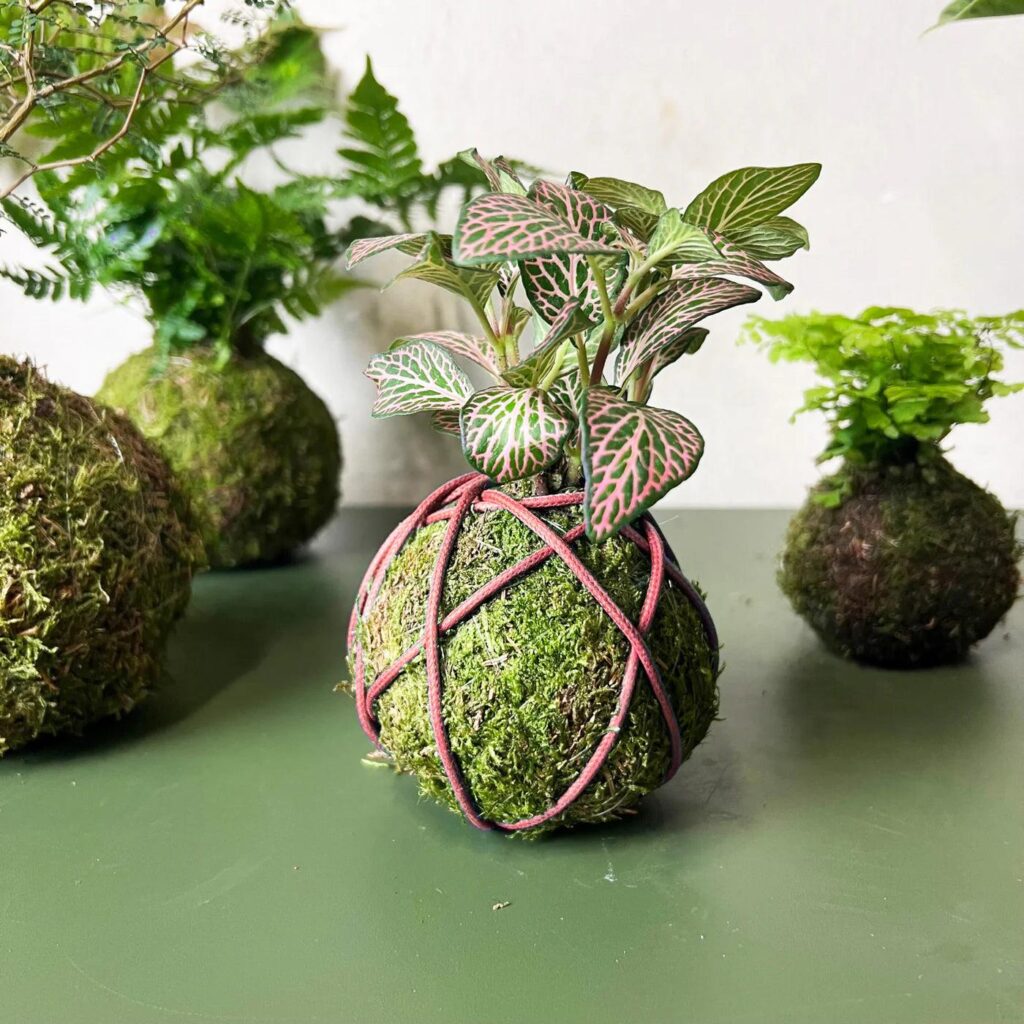
8. Nerve Plant (Fittonia albivenis)
For smaller kokedama displays, nerve plant offers something visually unique: intricately patterned leaves with white, pink, or red veining that look almost hand-painted. It’s compact, doesn’t aggressively outgrow its moss ball, and creates a jewel-like accent piece.
The catch is humidity. Fittonia wants consistently moist conditions and higher humidity than many indoor environments naturally provide. In a bathroom, kitchen, or grouped plant display where humidity is naturally elevated, it does well. In a dry, heated living room in winter, it will struggle without supplemental misting.
9. Mini Orchids (Phalaenopsis, compact varieties)
This is the plant that turns heads. Orchid kokedamas combine the elegance of orchid blooms with the organic beauty of a moss sphere, and the visual result looks far more sophisticated than the actual difficulty level suggests. Phalaenopsis orchids are epiphytes by nature — they evolved to grow on tree bark and other surfaces rather than in soil — which means the kokedama format actually suits their natural growth habit better than a standard pot does.
Choose compact or miniature Phalaenopsis varieties; standard-size plants become top-heavy and unstable in moss ball form. After flowering finishes, the orchid rests before sending up a new spike — this is completely normal and doesn’t indicate a problem with the kokedama itself.
Quick Comparison: Best Kokedama Plants by Difficulty
| Plant | Difficulty | Watering Frequency | Light Needs | Visual Style |
|---|---|---|---|---|
| Pothos | Beginner | Every 7–10 days | Low to bright indirect | Trailing, lush |
| Heartleaf Philodendron | Beginner | Every 7–10 days | Low to bright indirect | Trailing, glossy |
| Spider Plant | Beginner | Every 7–10 days | Wide range | Arching, dynamic |
| Asparagus Fern | Beginner-moderate | Every 5–7 days | Bright indirect | Feathery, delicate |
| Succulents (select) | Advanced | Every 14–21 days | Bright light | Sculptural |
| Boston Fern | Moderate | Every 3–5 days | Bright indirect, humid | Lush, dramatic |
| Peace Lily | Moderate | Every 7 days | Low to indirect | Elegant, flowering |
| Nerve Plant | Moderate | Every 5–7 days | Medium indirect, humid | Patterned, jewel-like |
| Mini Orchid | Moderate | Every 7–10 days | Bright indirect | Elegant, flowering |
How to Care for Your Kokedama Once It’s Made
Regardless of which plant you choose, the fundamental care routine for kokedama follows the same pattern: soak, drain, display, repeat.
Submerge the entire moss ball in a bowl of room-temperature water for 10 to 20 minutes, until it feels heavy and fully saturated. Lift it out and let it drip for several minutes over a sink or basin before returning it to its display spot – this prevents water damage to furniture or shelving.
Check the moss ball’s weight and texture between soakings rather than watering on a rigid schedule. A kokedama that feels light and looks slightly dry on the surface is ready for its next soak. One that still feels heavy doesn’t need water yet. This tactile check is more reliable than a fixed calendar schedule, since humidity, temperature, and season all affect how quickly the ball dries.
Feed lightly. Mix a quarter-strength liquid fertilizer into the soaking water once or twice a month during the growing season (spring through early fall). The limited soil volume in a kokedama depletes nutrients faster than a standard potted plant, but it’s also easy to over-fertilize in this small volume, so err toward less rather than more.
A Real Beginner’s Experience
A first-time kokedama maker in a humid coastal apartment started with three plants simultaneously: a Boston fern, a pothos, and a small succulent, mostly because all three looked appealing in the photos she’d seen online. Within three weeks, the succulent had begun rotting from excess moisture, while the pothos was thriving without any issues. The Boston fern needed daily attention to avoid wilting in her relatively dry, air-conditioned apartment.
She eventually gave up on the succulent kokedama entirely, scaled back the fern to weekly soaking with a humidity tray nearby, and let the pothos become her primary, low-effort success story. A year later, the pothos kokedama was still thriving and had become the centrepiece of her plant collection, while she’d moved the succulent permanently back into a regular pot with drainage.
This pattern repeats constantly in kokedama communities: people who start with the most visually striking option often struggle, while those who start with pothos or philodendron build confidence and skill before moving to more demanding plants.
Plants to Avoid for Kokedama
A few categories consistently disappoint regardless of technique:
- Cacti: Need bone-dry conditions that directly conflict with kokedama’s moisture retention
- Fast-growing large tropicals (Monstera, Pothos giant varieties, Bird of Paradise): outgrow the moss ball within a few months and require constant rebuilding
- Plants needing acidic specialty soil (most carnivorous plants, some orchid species): the standard kokedama soil mix doesn’t replicate their specific requirements
- Woody shrubs and trees: root systems become too rigid and extensive for the moss ball format over time.
Conclusion
Choosing the right plant is the single biggest factor in whether your kokedama experience becomes a rewarding long-term hobby or a frustrating dead end. Start with pothos or heartleaf philodendron if you’re new to this, they’re nearly impossible to fail with and will teach you the watering rhythm that every other kokedama plant depends on.
Once you’ve built that confidence, branch into ferns, peace lilies, or even mini orchids for more visually dramatic results. The skill transfers directly, and each new plant you successfully grow in moss ball form makes the next one easier.
Pick one plant from this list, commit to the soak-and-check watering rhythm, and give it a month before judging the results. That’s usually all it takes to know whether kokedama is going to become a genuine part of your plant routine.
FAQs
What is the easiest plant to use for a beginner kokedama?
Pothos, without much competition. It tolerates inconsistent watering, low light, and the general learning curve of a first attempt better than almost any other houseplant.
Can succulents be used for kokedama?
Only with a modified, fast-draining soil mix and much less frequent watering than typical kokedama plants need. Standard succulents and cacti generally fail in conventional kokedama conditions.
How often should kokedama plants be watered?
Most thrive with soaking every 7 to 10 days. Moisture-loving plants like ferns need more frequent soaking (every 3 to 5 days), while succulents need far less (every 2 to 3 weeks).
Do kokedama plants need direct sunlight?
Most prefer bright, indirect light rather than direct sun, which can dry the moss ball too quickly and scorch foliage. A spot near, but not directly in, a sunny window usually works well.