
Nitrogen rich fertilizer for lawns can transform thin, pale grass into a thick, green carpet. Learn which products work best and how to use them safely.
Introduction
Thin, pale grass with bare patches showing through doesn’t usually mean your lawn is sick — it usually means it’s hungry. Specifically, hungry for nitrogen. Among the three core nutrients every lawn needs, nitrogen has the most dramatic, visible impact on color and density, which is exactly why nitrogen-rich fertilizers dominate the lawn care aisle and why so many homeowners reach for them first when their yard isn’t looking its best.
But “nitrogen rich” covers a huge range of products with very different behaviours, risks, and ideal use cases. A 46-0-0 bag of straight urea behaves nothing like a 20-0-5 slow-release blend, even though both qualify as nitrogen-rich. This guide breaks down the genuine differences so you can choose a product that actually fits your lawn and your risk tolerance.
Why Nitrogen Content Matters So Much in Lawn Fertilizer
Nitrogen is the nutrient most directly tied to the visible qualities people associate with a “good” lawn: deep green colour, thick density, and steady growth. It’s a core component of chlorophyll, the pigment plants use to capture sunlight for energy, and it’s the primary building block of plant proteins that drive cell growth and division.
Grass plants use nitrogen constantly and in large quantities relative to other nutrients. Unlike phosphorus and potassium, which stay relatively stable in soil over time, nitrogen is highly mobile — it leaches downward with rain and irrigation, volatilizes into the atmosphere under certain conditions, and gets consumed rapidly by actively growing turf. This is precisely why lawns need repeated, season-long nitrogen applications rather than a single yearly dose.
A lawn lacking nitrogen shows it unmistakably: a pale, yellow-green colour across the entire area (not in patches); slowed growth; and a generally thin, see-through appearance even with adequate watering.
Understanding “Nitrogen Rich” on a Fertilizer Label
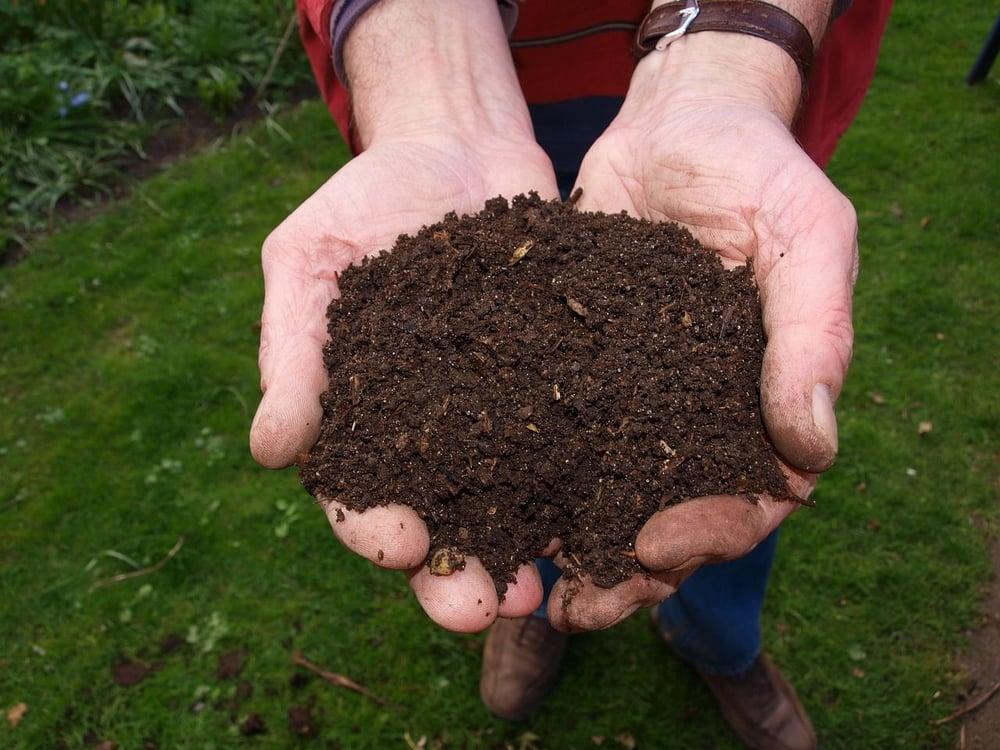
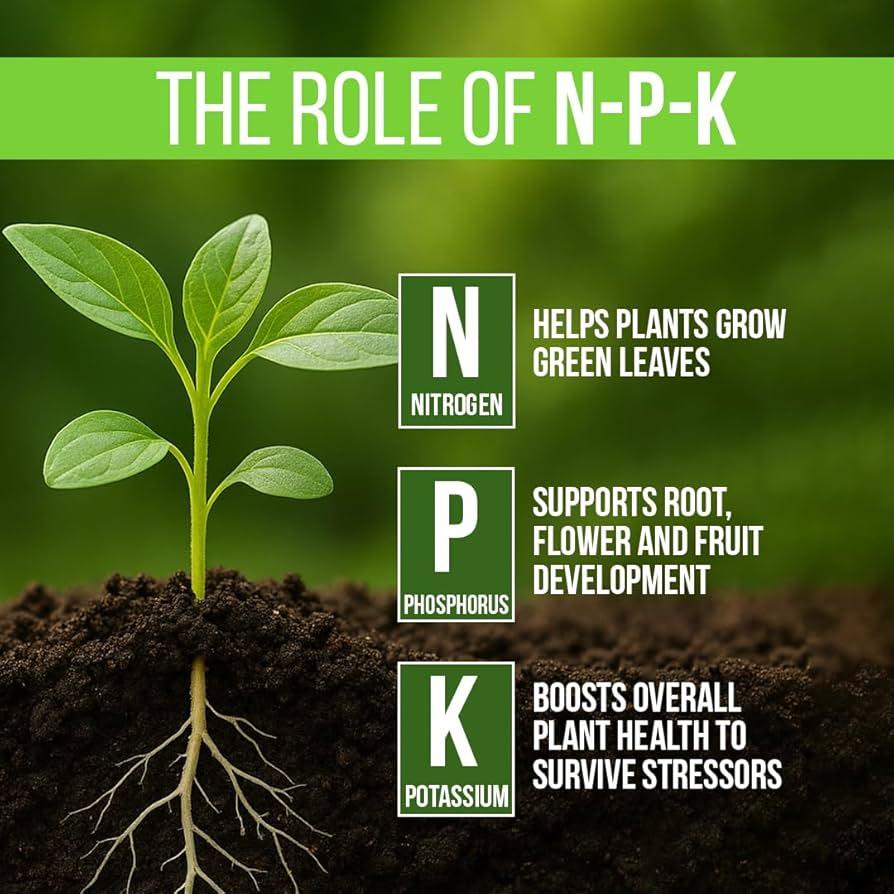
When a product markets itself as nitrogen-rich, it typically has a high first number in its N-P-K ratio — often 20% or higher nitrogen by weight. Common nitrogen-rich lawn products include:
- Urea (46-0-0): The most concentrated nitrogen source available, almost entirely nitrogen with no phosphorus or potassium.
- Ammonium sulphate (21-0-0): Slightly lower nitrogen but adds sulphur, useful in alkaline soils.
- Ammonium nitrate (34-0-0): Fast-acting, though less commonly sold to homeowners due to handling regulations in some areas.
- Polymer-coated urea blends (often 28-0-3 to 32-0-10): Nitrogen-rich but engineered for slow, controlled release over weeks.
- Organic nitrogen sources (feather meal, blood meal): Generally 9–12% nitrogen, lower concentration but slower, gentler release.
The percentage tells you concentration, not necessarily quality or safety. A higher number means you need less product to deliver the same amount of actual nitrogen — but it also means a higher burn risk if you apply too much or apply incorrectly.
6 Genuinely Effective Nitrogen-Rich Fertilizer Approaches
1. Straight Urea for Maximum Control
Urea (46-0-0) is the most concentrated nitrogen fertilizer commonly available and is popular among experienced lawn care enthusiasts who want precise, economical control over their feeding program. Because it’s nearly pure nitrogen, you can calculate exact application rates without worrying about excess phosphorus or potassium accumulating in soil over time.
The catch: at 46% nitrogen, mistakes in calibration or distribution are punished quickly. Even a slightly heavy application can scorch grass within days. Urea also volatilizes (converts to ammonia gas and is lost to the atmosphere) if left on the soil surface in hot, dry conditions without being watered in promptly. Water it in within hours of application for best results, ideally immediately.
This option suits people comfortable doing the math and being precise with their spreader. It’s not the best starting point for someone applying lawn fertilizer for the first time.
2. Polymer-Coated Slow-Release Nitrogen Blends
For most homeowners, slow-release nitrogen-rich products represent the best balance of effectiveness and safety. Products with polymer-coated urea (sometimes branded as “controlled-release nitrogen” on bags) release their nitrogen gradually over 6 to 12 weeks rather than all at once.
This steady release produces more even, sustained greening without the dramatic flush-then-fade pattern of quick-release products, and it dramatically reduces burn risk even if application rates are slightly off. Scotts Turf Builder, Andersons Professional blends, and many lawn care company proprietary mixes use this technology.
The trade-off is cost — slow-release nitrogen products typically cost more per pound of actual nitrogen than straight urea. For most home lawns, the reduced risk and more consistent results justify the price difference.
3. Ammonium Sulfate for Acidic or Alkaline-Correcting Needs
Ammonium sulphate (21-0-0, sometimes with added sulphur shown as 21-0-0-24S) delivers solid nitrogen content while also acidifying soil slightly over repeated applications. This makes it particularly useful in regions with naturally alkaline soil, where pH above 7.5 can limit nutrient availability for grass.
It’s a smart choice for lawns showing signs of iron chlorosis (yellowing related to high soil pH rather than nitrogen deficiency itself) since lowering pH gradually improves iron availability alongside the nitrogen feeding.
4. Liquid Nitrogen Fertilizers for Fast, Even Coverage
Liquid nitrogen products, whether sprayed via hose-end applicators or professional spray equipment, offer extremely even distribution and fast uptake. Because the nitrogen is already dissolved, there’s no granule sitting on grass blades creating localized burn risk in the way dry products can.
The downside is that liquid nitrogen doesn’t last as long in soil — it needs more frequent reapplication than granular slow-release products, typically every 3 to 4 weeks during the growing season. For homeowners who enjoy a more hands-on, frequent care routine, or who are correcting an acute deficiency quickly, liquid nitrogen delivers fast, visible results.
5. Organic Nitrogen Sources for Lower-Risk, Soil-Building Feeding
Feather meal, blood meal, and composted poultry litter products provide meaningfully lower nitrogen concentrations (typically 9–13%) but release that nitrogen slowly through microbial breakdown, virtually eliminating burn risk even with imprecise application.
These products work especially well as part of a long-term lawn health strategy, since the organic matter they contain also improves soil biology and structure over time — something synthetic nitrogen sources don’t provide. The trade-off is a slower, less dramatic green-up response, which can be frustrating for homeowners expecting quick visual results.
6. Combination Lawn Fertilizers With Moderate-to-High Nitrogen
Many widely available lawn fertilizers (28-0-5, 30-0-4, 32-0-10, etc.) deliver substantial nitrogen alongside modest potassium and little to no phosphorus, reflecting the reality that most established lawns need ongoing nitrogen and potassium far more than phosphorus.
These blended products are a practical, low-effort choice for homeowners who want a single product to handle most seasonal feeding needs without managing multiple specialized fertilizers. Read the label closely — the specific N-P-K ratio and release type (quick vs slow) still matter for timing and safety.
Comparing Nitrogen-Rich Lawn Fertilizer Options
| Product Type | Typical N% | Release Speed | Burn Risk | Best For |
|---|---|---|---|---|
| Straight Urea | 46% | Fast | High | Experienced users, precise control |
| Polymer-Coated Slow-Release | 20–32% | Slow (6–12 weeks) | Low | Most homeowners |
| Ammonium Sulfate | 21% | Fast-moderate | Moderate | Alkaline soil correction |
| Liquid Nitrogen | Varies | Fast | Low-moderate | Even coverage, frequent feeding |
| Organic (feather/blood meal) | 9–13% | Very slow | Very low | Soil building, low-risk feeding |
| Combination Blends | 20–32% | Mixed | Moderate | All-in-one convenience] |
How Much Nitrogen-Rich Fertilizer Should YouApply?
The standard guideline across most turfgrass research is to apply roughly 1 pound of actual nitrogen per 1,000 square feet per application. Calculate this from any bag by multiplying the bag’s total weight by the nitrogen percentage on the label.
For a 50-pound bag of 46-0-0 urea, that’s 23 pounds of actual nitrogen — meaning roughly 2.2 pounds of product covers 1,000 square feet at the standard 1-pound-N rate. For a 50-pound bag of 28-0-3, that’s 14 pounds of actual nitrogen, requiring about 3.6 pounds of product per 1,000 square feet.
Always check your specific grass type’s annual nitrogen requirement (covered in detail in lawn care guides specific to your region) and split that total across 3 to 5 applications through the growing season rather than applying it all at once.
Avoiding the Most Common Mistake: Over-Application
The single most frequent error with nitrogen-rich fertilizers is simply using too much, either through miscalibrated spreaders or overlapping application passes. Symptoms of nitrogen burn include yellow or brown streaking (often matching the spreader’s path), a sudden change in colour and texture within days of application, and, in severe cases, dead patches that require reseeding.
To minimize risk: water the lawn before application (never apply to drought-stressed grass), calibrate your spreader using the settings on the product label, avoid overlapping spreader passes, and water thoroughly within 24 hours of granular application to move nitrogen off leaf surfaces and into the soil.
Conclusion
A nitrogen-rich fertilizer genuinely can transform a thin, pale lawn into a thick, vibrant one — but the specific product you choose changes both the speed of results and the level of risk you’re taking on. Straight urea delivers maximum control for experienced users willing to calculate carefully. Slow-release blends offer the best balance of safety and performance for most homeowners. Organic sources build long-term soil health at the cost of slower visible results.
Match the product to your comfort level and your lawn’s actual needs, apply at the right rate using real math rather than guesswork, and always water thoroughly afterward. Do that consistently through the growing season, and the thick, green lawn you’re picturing becomes a realistic outcome rather than a wish.
FAQs
What is considered a high-nitrogen fertilizer for lawns?
Generally, products with 20% or higher nitrogen content (the first number on the N-P-K label) qualify as high or nitrogen-rich. Urea at 46% is the most concentrated common option.
Is high-nitrogen fertilizer bad for lawns?
Not inherently — but it carries higher burn risk if misapplied. Slow-release nitrogen-rich products mitigate this risk while still delivering strong nitrogen content over time.
How often should nitrogen-rich fertilizer be applied?
Most lawns benefit from 3 to 5 applications per growing season, spaced 4 to 8 weeks apart depending on grass type and fertilizer release speed.
What’s the difference between fast-release and slow-release nitrogen?
Fast-release nitrogen (urea and ammonium nitrate) produces quick, dramatic greening within days but leaches and burns more easily. Slow-release nitrogen feeds steadily over weeks with much lower burn risk.