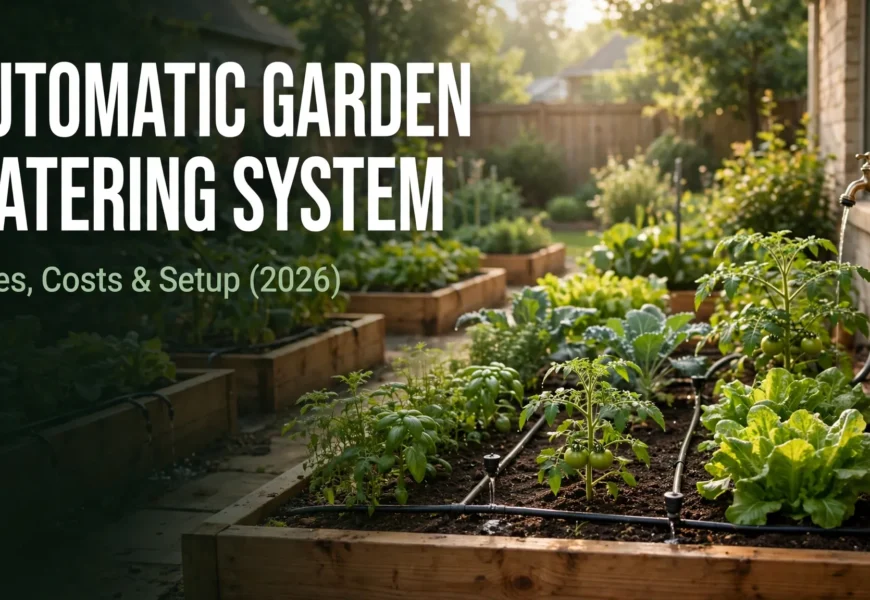
An automatic garden watering system delivers water to plants on a set schedule, reducing the need for daily hand watering. Drip irrigation works well for vegetable gardens and raised beds, while sprinklers cover lawns and larger areas. Smart controllers and hose timers automate watering based on schedules, garden size, budget and water availability.
What Is an Automatic Garden Watering System?
An automatic garden watering system supplies water to plants without requiring someone to turn on a hose or watering can each time. It uses a timer or irrigation controller to manage when water flows and how long the system runs.
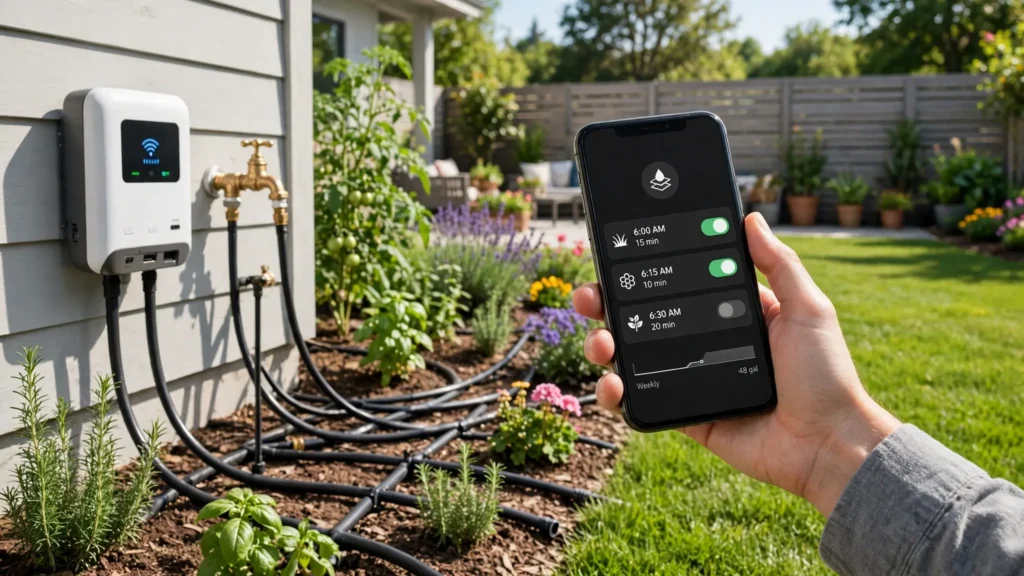
A basic setup may include an outdoor faucet, a hose timer, irrigation tubing and drip emitters. The timer starts the water at a selected time, while the tubing carries it to different parts of the garden. Emitters release water near plant roots, or sprinkler heads spray it across a wider area.
Unlike manual watering, an automated watering system follows a planned schedule. This can make caring for backyard gardens, flower beds and vegetable plots easier, especially during busy weeks or summer vacations.
Types of Automatic Garden Watering Systems
Different gardens need different watering methods. A small raised bed won’t need the same setup as a large lawn, so it’s worth comparing the main options before buying equipment.
1. Automatic Drip Irrigation System
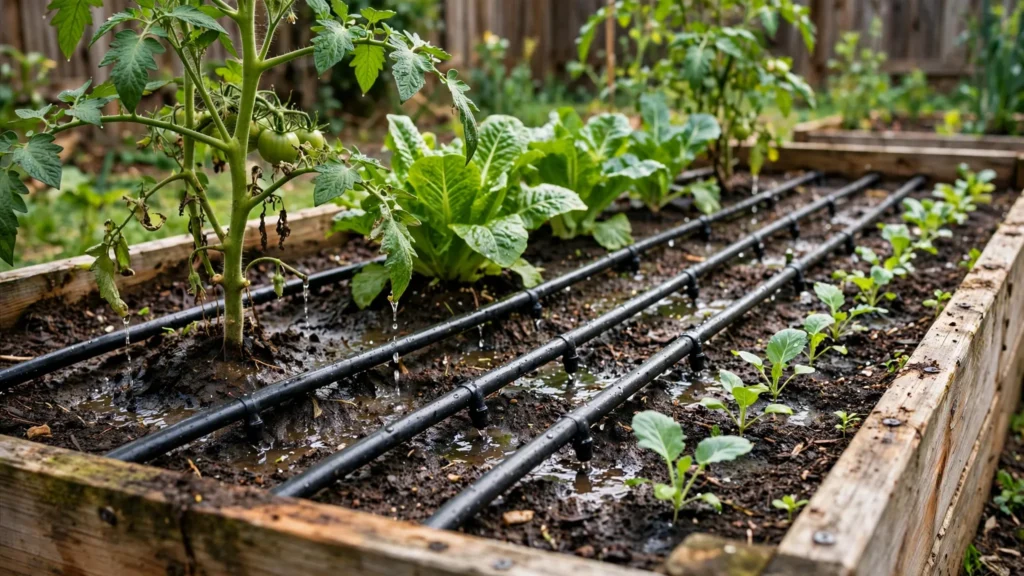
An automatic drip irrigation system sends water through small emitters placed near plant roots. Instead of spraying the whole garden, it delivers water to specific spots at a controlled rate.
It’s a practical option for vegetable gardens, raised beds, flower beds and rows of outdoor plants. A typical drip watering kit includes main tubing, smaller drip lines, connectors and adjustable emitters. You can position the emitters beside tomatoes, peppers, herbs and other plants that need regular watering.
This type of root zone watering can reduce water waste because less water lands on paths or bare soil. Filters are useful too, as dirt and small particles can clog the emitters.
2. Automatic Sprinkler System
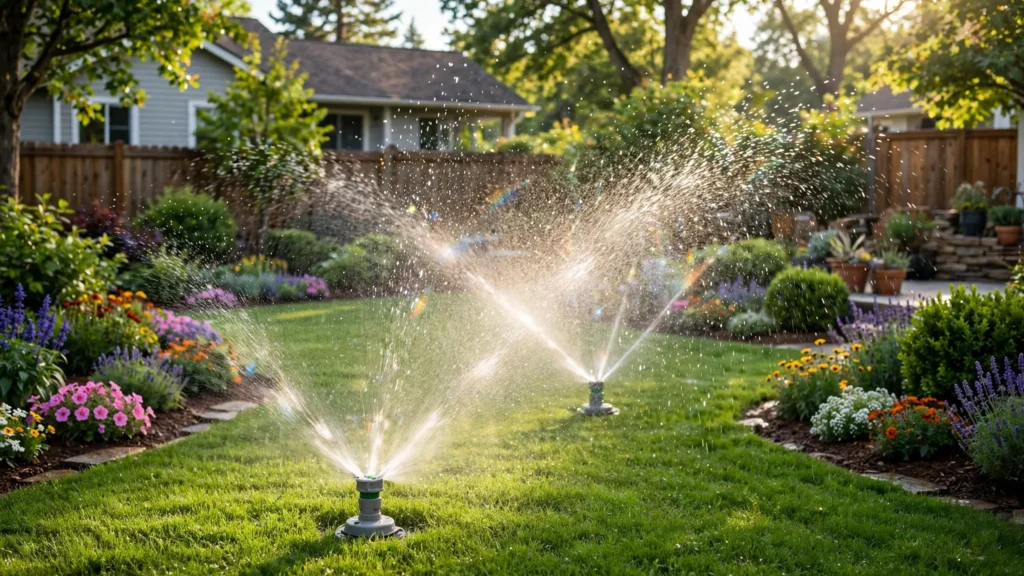
An automatic sprinkler system distributes water through sprinkler heads that spray a selected area. It’s commonly used for lawns, larger garden spaces and open planting areas.
A garden sprinkler timer controls when the system starts and how long it runs. Some setups use several watering zones, allowing different sections of a yard to receive water at separate times. Sprinklers need suitable water pressure and careful positioning so the spray reaches the intended area without soaking sidewalks or driveways.
3. Smart Garden Watering System
A smart garden watering system uses a Wi-Fi irrigation controller that can be managed through a smartphone app. Depending on the model, you may be able to set watering schedules, pause irrigation or check system activity while away from home.
Some systems work with rain sensors or soil moisture sensors. These can pause or adjust watering when the soil is already wet or rainfall has occurred. Weather-based features may also change watering schedules according to local conditions.
4. Soaker Hose Watering System
A soaker hose releases water slowly through tiny openings along its length. It’s usually placed beside plants or along garden rows, allowing moisture to spread into the surrounding soil.
This setup suits flower beds, shrubs and vegetable rows. Connect the hose to a compatible timer to automate watering. Check the hose regularly for uneven flow, leaks or blocked sections.
5. Solar-Powered Automatic Watering System
A solar powered automatic garden watering system uses a solar panel to power a small pump. The pump draws water from a suitable tank or reservoir and sends it through irrigation lines.
It can be useful for gardens without convenient outdoor faucet access, including some allotments, sheds and remote planting areas. But the system still needs a dependable water supply. Pump capacity, sunlight, battery storage and garden size all affect how well it works.
How Much Does an Automatic Garden Watering System Cost?
The automatic garden watering system cost depends on the number of plants, coverage area, water source and level of automation. A simple hose timer and soaker hose may be enough for a small garden. Larger yards may need several zones, extra tubing, sprinkler heads or a smart controller.
Here are general US planning estimates for common DIY setups. These are not verified live retail prices, and the final cost can vary by brand and included parts.
| System type | Estimated US price |
|---|---|
| Basic hose timer | $15–$40 |
| Soaker hose setup | $20–$60 |
| Drip irrigation kit | $25–$80 |
| Automatic sprinkler setup | $50–$150 |
| Smart irrigation controller | $70–$200+ |
| Solar watering kit | $30–$100 |
A DIY setup usually costs less than professional installation because you handle the layout and assembly yourself. You may still need to buy extra irrigation tubing, filters, fittings, a pressure regulator or a pump. For a large garden, installation costs can rise with the number of zones and the amount of digging or plumbing work involved.
Key Components of an Automatic Garden Watering System
A basic garden irrigation setup doesn’t need complicated equipment. Each part has a specific job, and the components should match the water pressure and watering method you’re using.
| Component | Main function |
|---|---|
| Water timer | Controls watering schedules |
| Main tubing | Carries water through the garden |
| Drip emitters | Deliver water near plants |
| Irrigation filter | Helps prevent clogging |
| Pressure regulator | Controls water pressure |
| Hose connectors | Join tubing and fittings |
| Soil moisture sensor | Measures soil moisture |
Not every setup needs all these parts. A simple soaker hose may only require a timer and suitable connectors, while a drip system often needs a filter and pressure regulator. Check the kit instructions before adding parts.
How to Install an Automatic Garden Watering System
A DIY automatic garden watering system can be installed with basic tools and some planning. The exact process varies by kit, but these steps cover a typical home garden setup.
Step 1 – Measure Your Garden
Measure each garden bed in feet and mark where your plants are located. Note the areas that need separate watering schedules. Group plants with similar water needs into the same zone where possible.
Step 2 – Choose a Water Source
An outdoor faucet or hose connection is a common starting point. If you plan to use a rain barrel or storage tank, check whether the system needs a pump to provide enough pressure and flow.
Step 3 – Install the Timer and Filter
Attach a compatible hose timer to the outdoor faucet. Add the irrigation filter and pressure regulator if your drip system requires them. Follow the manufacturer’s recommended connection order.
Step 4 – Connect the Irrigation Tubing
Lay the main distribution tubing along the garden beds. Attach drip lines, emitters or sprinkler heads according to your layout. Secure the tubing and check that connectors fit tightly.
Step 5 – Test and Adjust the Watering Schedule
Turn on the water and inspect the full setup. Look for leaks, blocked emitters and areas receiving too much or too little water. Adjust the timer after checking soil moisture and observing how quickly the garden dries.
Drip Irrigation vs. Sprinkler System: Which Is Better?
Drip irrigation and sprinkler systems serve different purposes. Drip lines are usually a better fit for individual plants and organized garden beds, while sprinklers cover open spaces such as lawns.
| Feature | Drip irrigation | Sprinkler system |
|---|---|---|
| Water delivery | Near plant roots | Sprays over an area |
| Best for | Vegetable and raised beds | Lawns and larger areas |
| Water efficiency | Often more targeted | May lose water to evaporation or wind |
| Installation | Tubing and emitters | Sprinkler heads and pipes |
| Maintenance | Check emitters and filters | Check heads and spray coverage |
For a backyard vegetable garden, drip irrigation is often a sensible starting point. A sprinkler system may suit a lawn or a broad planting area where individual drip lines would be impractical. Some properties use both systems in separate zones.
Common Automatic Watering Problems and Maintenance Tips
Even a timed watering setup needs occasional attention. Clogged drip emitters can leave plants dry, while leaking irrigation tubing may waste water. Low pressure can cause uneven flow, and incorrect timer settings can lead to overwatering or underwatering.
Common problems to check:
- Clogged emitters or filters
- Loose connectors and leaking tubing
- Low or uneven water pressure
- Incorrect watering duration
- Soil that stays too wet or dries out quickly
Simple maintenance tips: - Clean filters and emitters when flow slows down.
- Inspect tubing and connectors for damage.
- Adjust the watering schedule during hot, rainy or cooler periods.
- Check soil moisture rather than relying on the timer alone.
- In areas with freezing winters, drain and store suitable equipment before temperatures drop.
Frequently Asked Questions About Automatic Garden Watering Systems
What Is the Best Automatic Garden Watering System?
Drip irrigation is a strong option for vegetable gardens, flower beds and raised beds. Sprinklers work well for lawns and larger open spaces. A smart controller can add app-based scheduling and sensor features to a compatible irrigation setup.
How Much Does an Automatic Garden Watering System Cost?
Basic DIY options may cost around $15–$40 for a hose timer, while drip kits commonly fall around $25–$80. Smart controllers and larger sprinkler setups can cost more, depending on the equipment and coverage.
Can I Install an Automatic Watering System Myself?
Yes. Many home garden kits are designed for DIY installation. You’ll usually need to measure the garden, connect the timer, lay out the tubing and test the water flow. Larger systems may require professional help.
Can an Automatic Watering System Work Without an Outdoor Faucet?
Yes. Some solar-powered systems and pump-based setups draw water from a rain barrel or storage tank. The tank must hold enough water, and the pump must provide suitable pressure for the irrigation equipment.
How Often Should an Automatic Garden Watering System Run?
There isn’t one schedule for every garden. Watering frequency depends on plant type, soil, rainfall, temperature and season. Check the soil regularly and adjust the timer when weather conditions change.
Conclusion – Choose a Suitable Automatic Garden Watering System
An automatic garden watering system can make routine plant care easier, from small raised beds to larger backyard gardens. Drip irrigation, sprinklers, soaker hoses and smart controllers each serve different purposes. Match the setup to your plants, garden size and water source, then check the system regularly to keep water flowing as planned.