
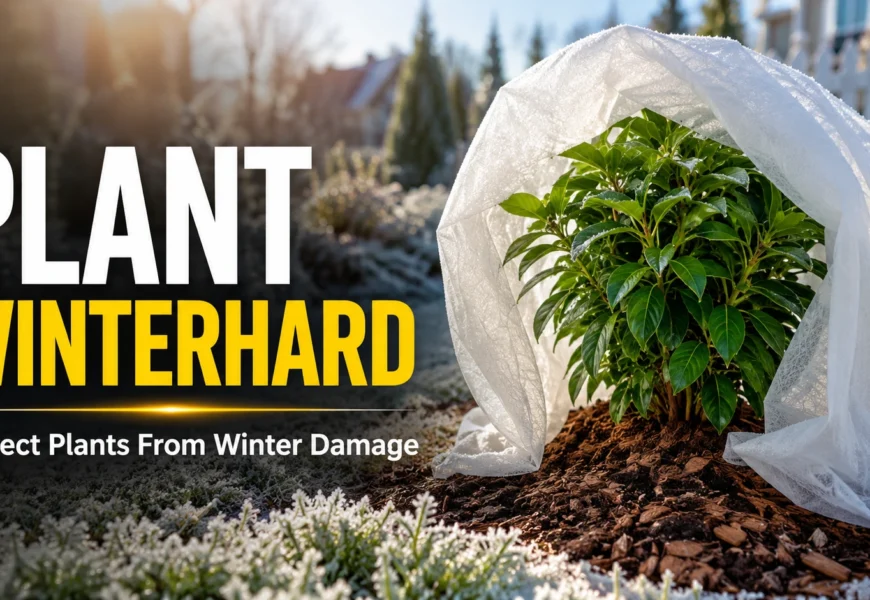
Winter can be tough on garden plants, especially when freezing temperatures arrive suddenly. If you searched for “plant winterhard,” you’re likely trying to figure out how to help plants survive frost, cold snaps, and harsh winter weather without losing months of growth. A winter-hardy plant can handle cold conditions better, but even hardy plants may need some extra care in severe weather. Your USDA Hardiness Zone is a good starting point because it shows which plants are suited to the typical winter temperatures in your area. From adding mulch around roots to using frost protection and preparing plants before a hard freeze, a few simple steps can reduce winter damage and give your plants a better chance of making it through the cold season.
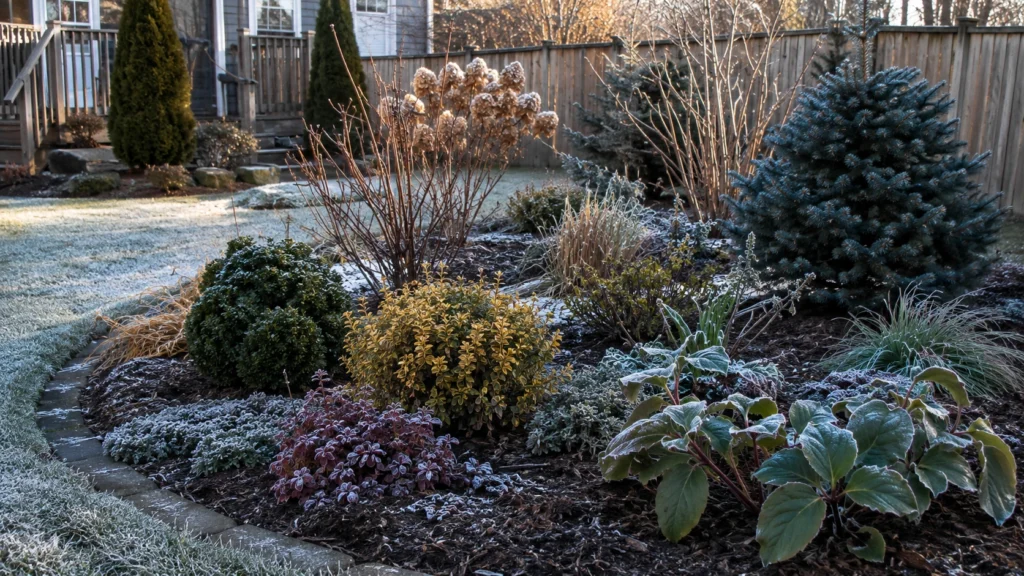
TL;DR: How to Make a Plant Winterhard
To make a plant more winter-hardy, choose varieties suited to your USDA Hardiness Zone, protect the root zone with mulch, water before the ground freezes, shield vulnerable plants from wind and frost, and move container plants to a protected spot when severe cold is expected.
- Check your USDA Hardiness Zone
- Add winter mulch around the root zone
- Water plants before a hard freeze
- Use frost cloth for tender plants
- Protect or move container plants
What Does Plant Winterhard Mean?
“Plant winterhard” refers to a plant’s ability to handle cold weather and survive winter conditions with little or no serious damage. A winter-hardy plant has good cold tolerance and is suited to the temperatures common in its growing zone. But winter hardiness isn’t the same as being completely safe from frost. A plant can be hardy in its usual climate and still suffer damage during an unusually cold snap, strong wind, or prolonged freeze.
Frost-tolerant plants can handle a certain amount of frost, but they may struggle when temperatures stay below freezing for an extended period. Cold-sensitive plants need more protection, especially in areas with harsh winters.
| Term | Meaning |
| Winter-hardy | Can survive expected winter conditions in its suitable zone |
| Frost-tolerant | Can handle some frost but may still be damaged by prolonged freezing |
| Cold-sensitive | Needs extra protection during cold weather |
Understanding these differences makes it easier to choose winter hardy plants and prepare them for better winter survival.
Check Your USDA Hardiness Zone Before Winterizing
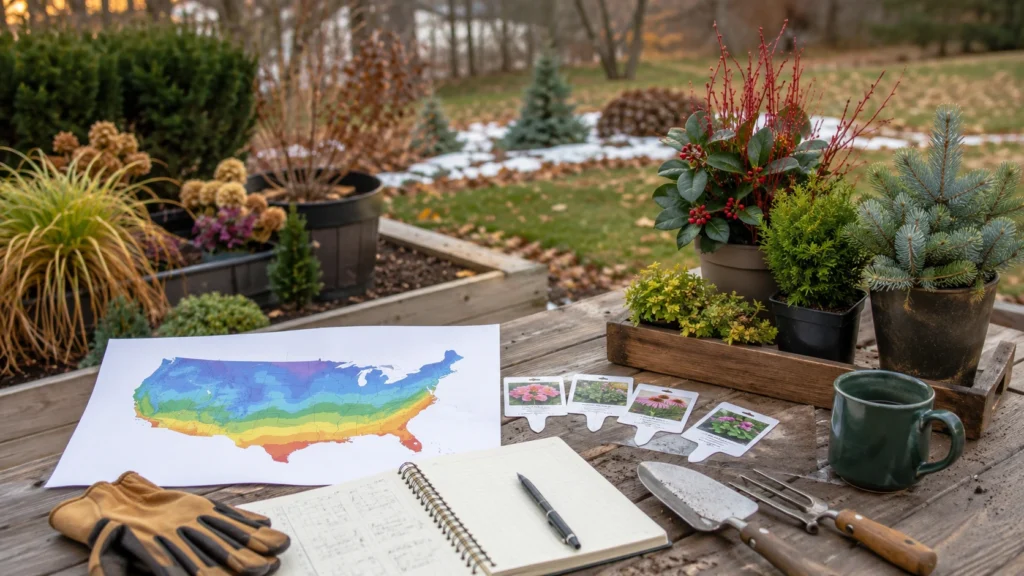
Your USDA Plant Hardiness Zone gives you a useful starting point for choosing plants that can handle your local winter. The USDA zone map is based on the average annual minimum winter temperature, so it helps show how much cold a plant is likely to face. Check the zone listed on a plant tag and compare it with your own area before planting.
A plant that handles Zone 7 winters may struggle badly in Zone 4, where minimum temperatures are much colder. But your exact garden can also have a different microclimate. A south-facing wall, sheltered patio, heavy wind, or low spot can change how cold a plant actually gets.
| USDA Zone | General Winter Conditions | Plant Strategy |
| Zones 3–4 | Very cold | Choose highly cold-hardy plants |
| Zones 5–6 | Cold | Use hardy varieties and winter protection |
| Zones 7–8 | Moderate | Protect tender or newly planted plants |
| Zones 9–10 | Mild | Watch frost-sensitive plants during cold snaps |
Checking plant hardiness before winter can save you from choosing plants that simply aren’t suited to your local conditions.
7 Ways to Make Plants More Winter-Hardy
1. Choose Plants for Your USDA Zone
Start with plants that are rated for your USDA Hardiness Zone. This gives you a better chance of growing cold-hardy plants that can handle the typical winter temperatures in your area. Native and well-adapted plants can also be easier to care for because they are already suited to local conditions. But don’t rely on a “cold hardy” label alone. Check the plant’s specific hardiness range and consider wind, soil, moisture, and exposure in your yard.
2. Add Mulch Around the Root Zone
Winter mulch acts like an insulating layer around plant roots. It can reduce rapid temperature changes in the soil and give roots some extra protection when temperatures drop. Spread mulch around the root zone after the soil has cooled, but leave a little space around tree trunks and plant stems. Piling mulch directly against them can trap moisture and create other problems.
3. Water Before the Ground Freezes
Plants can still lose moisture during winter, especially when dry soil, cold temperatures, and winter wind occur together. Give plants a thorough watering before the ground freezes, particularly newly planted trees, shrubs, and perennials. The goal is moist soil, not soggy soil. Once the ground is frozen, regular watering becomes difficult and may do more harm than good.
4. Protect Plants From Winter Wind
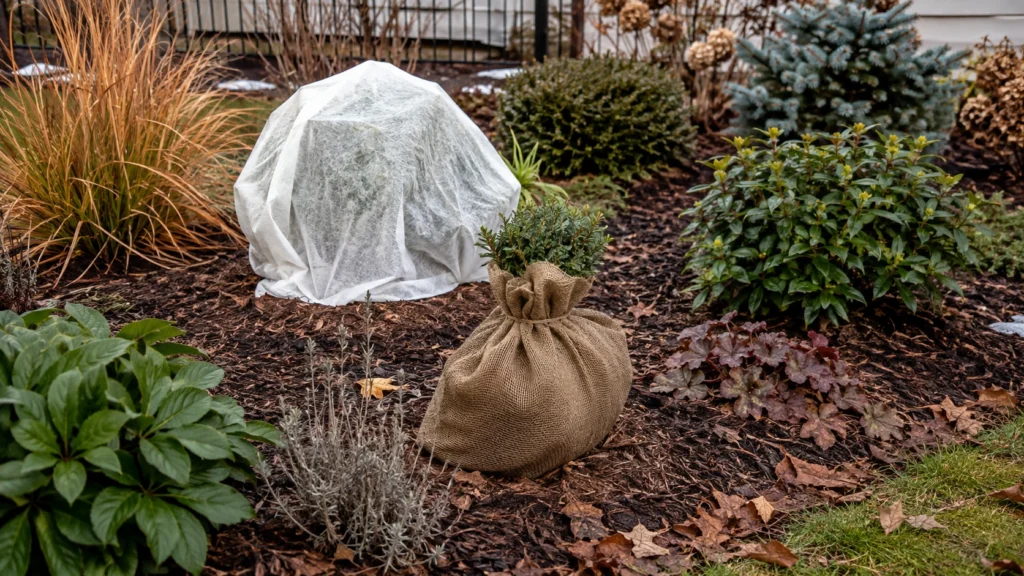
Cold winter wind can pull moisture from leaves and stems, leaving exposed plants more vulnerable to damage. Use burlap or a simple windbreak around plants that sit in open, windy areas. Give the plant enough room for air movement instead of wrapping it tightly. A sheltered spot near a building or fence can also reduce exposure during harsh weather.
5. Use Frost Cloth Before a Freeze
Frost cloth can protect tender plants when a frost or short cold snap is expected. Place the cover over the plant before temperatures fall, and secure it so wind doesn’t blow it away. Avoid using plastic directly against foliage because it can transfer cold to plant tissue. Remove covers when the dangerous weather passes so the plant can receive light and air.
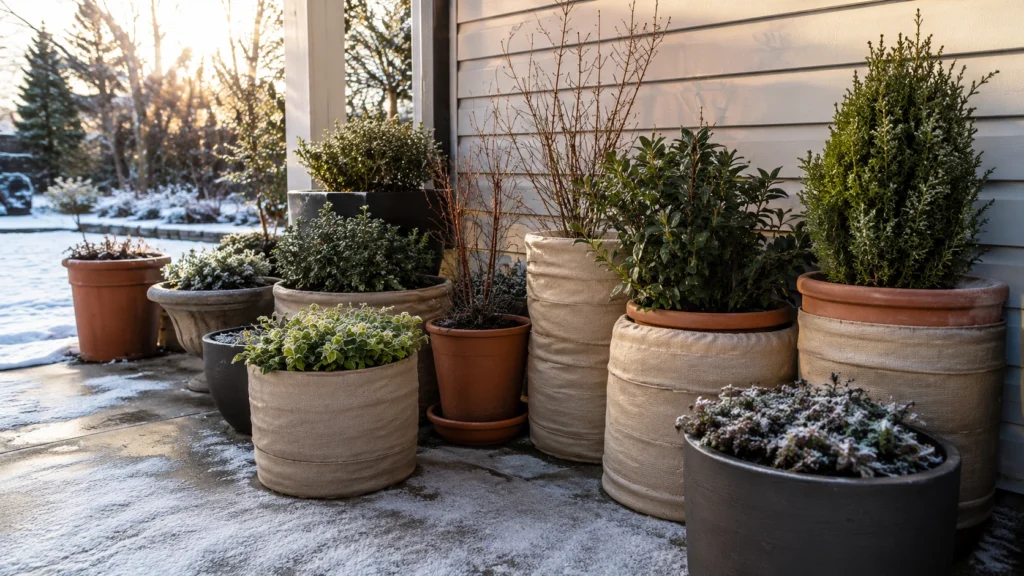
6. Protect Container and Potted Plants
Container plants are more exposed to cold than plants growing in the ground because their roots have less soil around them for insulation. Move vulnerable pots against a sheltered wall, group containers together, or relocate tender plants indoors when appropriate. A garage, enclosed porch, or other protected space can help during a hard freeze. Check each plant’s light and temperature needs before bringing it inside.
7. Avoid Late-Season Mistakes
Some winter damage starts before winter even arrives. Heavy pruning late in the season can encourage tender new growth that is easily damaged by a sudden cold snap. Excess fertilizer can also push soft growth when the plant should be preparing for dormancy. Newly planted plants need extra attention, too. Prepare them before a hard freeze rather than waiting until temperatures have already dropped.
Best Winter-Hardy Plants for U.S. Gardens
If you want plants that can handle cold weather with less fuss, start by checking their USDA hardiness range. The best winter hardy plants still need suitable growing conditions, and a plant’s performance can change with the local climate, soil, wind exposure, and how well established its roots are. Some winter hardy perennials also benefit from mulch during unusually cold weather.
| Plant | USDA Zones* | Best Use |
| Hellebore | 3–9 | Winter and early spring color |
| Sedum | 3–9 | Low-maintenance perennial |
| Hosta | 3–9 | Shade gardens |
| Russian Sage | 4–9 | Sunny, dry areas |
| Spruce | Species-dependent | Evergreen structure |
These cold hardy plants are useful examples, but don’t treat a zone number as a guarantee. Specific cultivars can have different hardiness ratings, and young or newly planted specimens may need extra winter protection. Always check the plant tag or reliable nursery information for the exact variety you’re buying.
Zone ranges can vary by species and cultivar; verify the specific plant before purchase.
How Much Does Winter Plant Protection Cost?
The cost to winterize plants can stay fairly low if you already have basic garden supplies. Prices vary by brand, size, material, and where you shop, so use these figures as rough U.S. estimates rather than fixed prices.
| Winter Protection | Typical U.S. Cost | Best For |
| Mulch | 5–15 per bag | Root protection |
| Frost cloth | 10–30 | Tender plants |
| Burlap | 5–15 | Shrubs and trees |
| Plant covers | 10–25 | Individual plants |
| Container insulation | 5–20 | Potted plants |
For many gardeners, mulch and frost protection supplies are enough for routine winter care. Larger gardens or plants that need special protection may cost more, especially if you need several covers or multiple bags of mulch.
Common Winter Plant Protection Mistakes
A few simple mistakes can make winter plant protection less effective. Watch for these before freezing temperatures arrive:
- Choosing plants outside your USDA zone: A plant that isn’t suited to your local cold can suffer serious winter damage.
- Piling mulch against stems or trunks: Leave a small gap to reduce moisture and rot problems.
- Letting plastic touch foliage: Direct contact can increase frost damage during freezing weather.
- Forgetting container plants: Their exposed roots can get much colder than roots in the ground.
- Overwatering frozen soil: Wait until conditions allow the soil to absorb water properly.
- Pruning at the wrong time: Late pruning can encourage tender growth before winter.
- Waiting for the hard freeze: Frost protection works better when plants are covered before severe cold arrives.
How to Tell if a Plant Has Winter Damage
Winter damage to plants can show up in several ways, and some signs may not appear until temperatures rise. Look for:
- Brown or black foliage
- Wilted, collapsed, or dried growth
- Cracked stems
- Broken branches
- Winter dieback
- Little or no new growth when spring arrives
Frost damage and freeze damage can affect leaves, stems, buds, and roots, depending on how cold it gets and how long the plant stays exposed. Don’t assume a damaged plant is dead immediately. Scratch a small section of a stem to check for living tissue, then give the plant time to respond as warmer weather returns. Some plants recover slowly after severe winter stress.
FAQ
What does plant winterhard mean?
“Plant winterhard” refers to a plant’s ability to survive cold winter conditions. Its hardiness depends on the plant and the climate where it grows.
What temperature is too cold for plants?
There isn’t one temperature that is too cold for every plant. Species, cultivar, USDA Hardiness Zone, plant age, moisture, and exposure all affect cold tolerance.
How do I protect plants from frost?
Use frost cloth for tender plants, move containers to sheltered areas, and protect exposed roots with mulch. Watering before a freeze can also help when the soil isn’t already frozen.
Should I cover plants before a freeze?
Yes. Vulnerable plants should be covered before temperatures drop to freezing. Secure the cover and remove it after the threat has passed.
Can plants recover from winter damage?
Many plants can recover from winter damage, especially when roots and main stems remain alive. Wait for signs of new growth before removing damaged sections.
Conclusion
Helping a plant winterhard starts with knowing your USDA Hardiness Zone and choosing plants suited to your local cold. From there, protect the roots with a layer of mulch, keep plants properly hydrated before the ground freezes, and shield tender growth from frost, wind, and hard freezes. Container plants may need extra shelter, too. A little preparation before severe weather arrives can reduce winter damage and give your plants a much better chance of returning healthy when warmer weather comes back.