
Grow a cactus successfully with this complete cactus growth guide. In this article, you’ll learn 7 proven steps, watering schedules, soil requirements, and common mistakes to avoid.
Introduction
Most people who kill a cactus are shocked. After all, it’s the plant that survives deserts. But here’s the truth — cacti die far more often from too much care than from neglect. And that one fact changes everything about how you approach growing one.
Whether you just bought your first spiky little guy from a garden centre or you’re planning a full windowsill collection, this guide walks you through everything you need to know about growing a cactus well — from picking the right pot to knowing when (and when NOT) to water. Grow a Cactus Is Both Easier and trickier than you think.
Cacti are resilient. That much is true. They store water in their thick stems, slow down their growth during dry periods, and can survive conditions that would kill most houseplants in days. But “resilient” doesn’t mean “indestructible”.
The biggest challenge most people face isn’t neglect — it’s misplaced kindness. Overwatering, wrong soil, low light, and the wrong pot can all spell disaster for a cactus, even though it looks perfectly fine right up until the moment it suddenly doesn’t.
So before we talk about how to grow a cactus, it helps to understand what these plants actually need — and what they absolutely don’t.
Choosing the Right Cactus to Grow
Not all cacti are the same. Some love blazing sun. Others do well in bright indirect light. Some grow tall and columnar; others stay small and globe-shaped. Getting familiar with a few popular types helps you pick the right one for your space.
Popular Cactus Types for Beginners
- Golden Barrel Cactus (Echinocactus grusonii): A slow-growing, round cactus that stays compact and loves full sun. Perfect for sunny windowsills.
- Prickly Pear (Opuntia): Fast-growing, flat-padded, and incredibly forgiving. A great starter plant.
- Saguaro (Carnegiea gigantea): The iconic tall cactus you see in westerns. Slow-growing but impressive long-term.
- Christmas Cactus (Schlumbergera): Not a desert cactus — it’s tropical. Needs more humidity and less direct sun. A surprising favourite indoors.
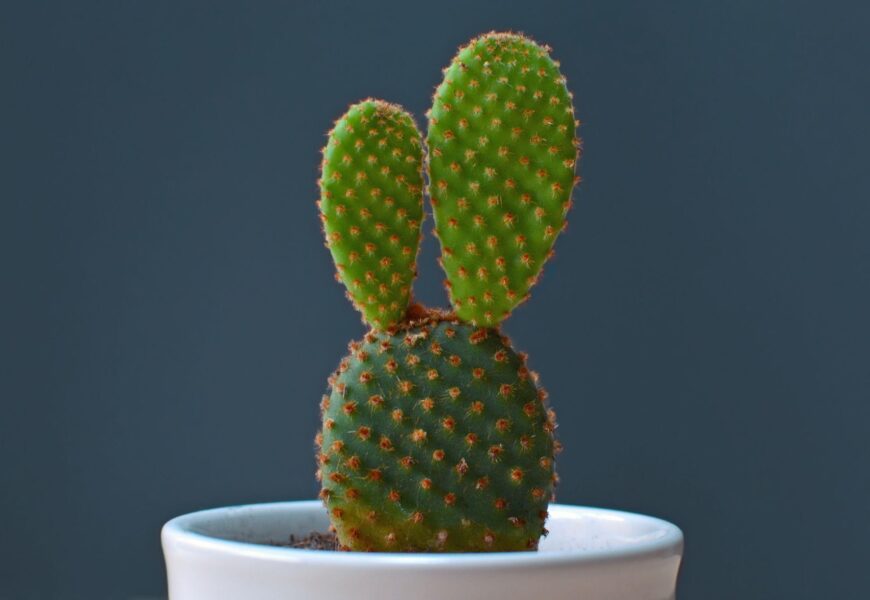
- Bunny Ears Cactus (Opuntia microdasys): Looks cute, but the fine glochids (hair-like spines) are irritating. Handle carefully.
Here’s a quick comparison to help you decide:
| Cactus Type | Light Needs | Watering Frequency | Size | Beginner-Friendly |
|---|---|---|---|---|
| Golden Barrel | Full sun | Every 2–3 weeks | Small–Medium | Yes |
| Prickly Pear | Full sun | Every 2 weeks | Medium–Large | Yes |
| Saguaro | Full sun | Monthly | Very Large | Moderate |
| Christmas Cactus | Indirect light | Weekly (in growth) | Small | Yes |
| Bunny Ears | Full sun | Every 2–3 weeks | Medium | Yes |
Step-by-Step: How to Grow a Cactus from Scratch
Step 1 — Pick the Right Pot
This is where most beginners go wrong before they even put soil in the ground. Cacti need drainage. Period. A pot without drainage holes will slowly rot your cactus from the roots up, and by the time you notice something’s wrong, it’s usually too late.
Use an unglazed terracotta pot if possible. It absorbs excess moisture, which helps prevent root rot. Avoid plastic pots unless they have excellent drainage. The pot should be only slightly larger than the root ball — too much empty soil holds moisture and creates problems.
Step 2 — Use the Correct Soil Mix
Standard potting soil is too dense and holds too much water for cacti. You need a fast-draining mix, ideally one specifically labelled for cacti and succulents. If you can’t find that, mix regular potting soil with coarse sand or perlite at roughly a 50/50 ratio.
Some experienced growers go even further — mixing in pumice or small gravel to increase drainage even more. The goal is soil that stays moist for a short time after watering, then dries out relatively quickly.
Step 3 — Plant It Properly
When planting a cactus, especially a prickly one, protect your hands. Thick leather gloves work, or you can use folded newspaper wrapped around the cactus body to hold it in place while you work.
Place a layer of gravel at the bottom of the pot before adding soil (this improves drainage). Fill the pot about halfway with your cactus soil mix, place the cactus in the centre, then fill around it. Don’t bury the plant deeper than it was in its original container. Press the soil lightly to stabilise the plant.
Wait at least a week before the first watering after repotting. This allows any damaged roots to heal and reduces the risk of rot.
Step 4 — Get the Light Right
Cacti are sun-lovers. Most desert species need at least 4–6 hours of direct sunlight per day to thrive. A south or east-facing window is usually ideal for indoor growing. If you notice your cactus stretching out or leaning dramatically toward the light, it’s etiolating — a sign it’s not getting enough sun.
Outdoors, full sun is generally fine for most varieties during the spring and fall. In extreme summer heat (above 100°F / 38°C), some shade protection during the hottest hours can prevent scorching.
Step 5 — Water It the Right Way
This is where the golden rule lives: water deeply but infrequently. When you water, soak the soil completely until water runs out the drainage hole. Then don’t water again until the soil is bone dry.
How often that is depends on the season, your climate, and pot size. A rough guide:
- Spring and Summer (active growth): Water every 10–14 days.
- Fall: Reduce to every 3 weeks.
- Winter (dormancy): Once a month or less. Some growers stop entirely for desert cacti.
Always check the soil before watering. A wooden skewer or your finger pushed 2 inches into the soil should come out dry before you water again.
Step 6 — Feed It During the Growing Season
Cacti are not heavy feeders, but a little fertiliser during the growing season (spring through summer) makes a noticeable difference. Use a low-nitrogen fertiliser specifically formulated for cacti and succulents. Something with an NPK ratio around 5-10-5 works well.
Apply once a month during spring and summer. Skip fertiliser entirely in fall and winter when the plant is dormant or growing very slowly. Over-fertilising can cause weak, mushy growth and increase disease risk.
Step 7 — Watch for Problems Early
Healthy cacti are firm, vibrant, and hold their shape. Watch for these warning signs:
- Mushy or soft spots: Usually root rot from overwatering. Act fast — cut out the affected area, let it callous for a few days, then repot in fresh dry soil.
- Yellowing or pale colour: Often a sign of too little light or nutrient deficiency.
- Shrivelling: If the soil is dry, it needs water. If the soil is moist, it might be root damage.
- White cottony patches: Scale insects or mealybugs. Treat with isopropyl alcohol on a cotton swab or neem oil spray.
How to Propagate a Cactus
One of the genuinely satisfying things about cacti is how easily many of them propagate. There are three main methods:
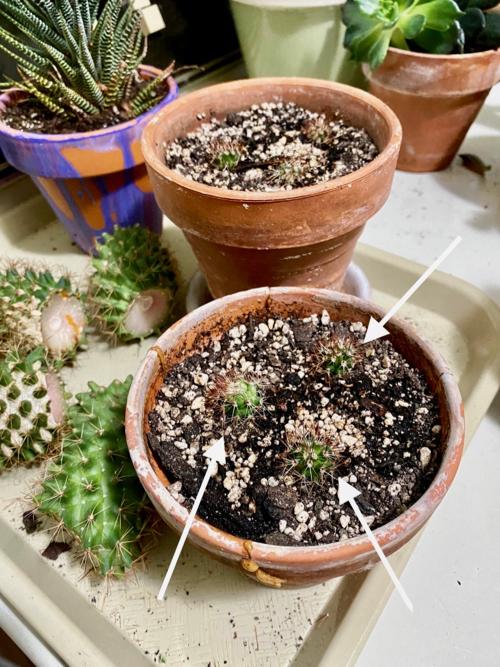
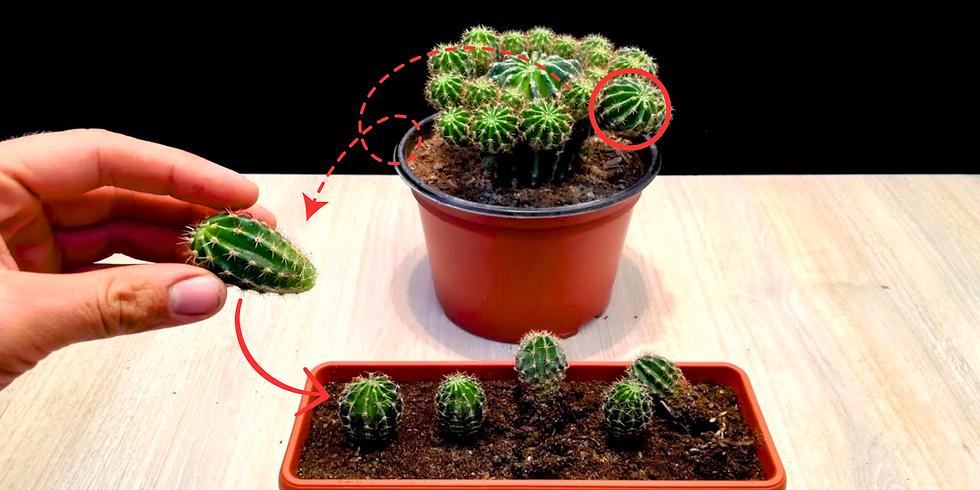
Offsets (pups): Many cacti produce small offshoots at the base. Let them grow to about a third of the parent’s size, then gently twist or cut them off. Allow the cut end to dry and callous for several days before potting in cactus mix.
Cuttings: For columnar cacti, you can cut off a section and let it dry for a week before planting. This forms a callous that prevents rot.
Seeds: Growing from seed is slow but rewarding. Sow cactus seeds in a shallow tray with moist cactus mix, cover loosely with plastic wrap, and keep in bright, warm conditions. Germination can take weeks to months depending on the species.
Have you ever tried propagating a cactus from a cutting? It’s one of those gardening experiments that feels like magic when it actually works.
Indoor vs Outdoor Cactus Growing: What Changes?
Growing a cactus indoors and outdoors requires slightly different approaches. Here’s what to keep in mind:
Indoors: Light is almost always the limiting factor. Unless you have a very sunny south-facing window, a grow light can make a real difference. Humidity indoors tends to be higher than desert conditions, so you’ll need to be extra careful about overwatering. Terracotta pots help manage moisture levels.
Outdoors: You have more light and better airflow, both of which cacti love. The main risks are overwatering from rain (use well-draining raised beds or containers), frost damage in cold climates, and extreme heat in summer.
If you’re in a region with freezing winters, most desert cacti will need to come inside or be given frost protection. Some cold-hardy varieties (like Opuntia humifusa, native to the eastern US) can handle light frosts, but most tropical and desert species cannot.
3 Common Mistakes That Kill Cacti
It’s worth giving these their own section because they’re so consistently responsible for cactus deaths:
Mistake 1 — Watering on a Schedule, Not Based on Soil People water their cactus every Sunday out of habit. The problem? A rainy week, a cool house, or a shaded spot means the soil from last week hasn’t dried out yet. Always check before you water.
Mistake 2 — Using Regular Potting Soil. Standard potting mixes hold moisture well, which is exactly what most plants need. But cacti need the opposite. If your store-bought soil doesn’t drain fast, amend it or start over with a proper cactus mix.
Mistake 3 — Putting a Cactus in a Dark Corner for Aesthetic Reasons Cacti look great in modern interior spaces. They’re architectural and sculptural. But that shaded bookshelf corner is slowly starving your plant of the light it needs. Decorative placement needs to consider light access first.
Conclusion
Growing a cactus isn’t about doing a lot — it’s about doing the right things at the right time and resisting the urge to fuss too much. The plants that thrive are the ones that get proper drainage, good light, and watering only when the soil is genuinely dry.
Your action step: If you already have a cactus, check the soil right now. If it’s still moist from last time, put the watering can down and check again in a few days. That one habit shift is probably the single most impactful thing you can do for your plant’s long-term health.
Start with one cactus, get the conditions right, and you’ll find yourself wanting a whole collection before long.
Frequently Asked Questions
How long does it take for a cactus to grow?
It depends on the species. Golden barrel cacti grow only about an inch per year. Columnar species like the Cereus can grow several inches per year under good conditions. Saguaros famously take 10–15 years to reach just a foot in height. Patience is part of the deal with cacti.
Can a cactus survive without sunlight?
Not really, no. Cacti need light to photosynthesise, just like any plant. What they can tolerate is drought — but not low light for extended periods. If natural sunlight isn’t available, a full-spectrum grow light can help.
Why is my cactus turning yellow?
Yellowing is usually a sign of overwatering, root rot, or insufficient light. Check the soil — if it’s been consistently wet, ease up on watering and consider repotting. If the plant feels soft at the yellow spots, root rot may already be present.
How do I know when to repot my cactus?
Repot when roots start coming out of the drainage holes, when the plant looks disproportionately large for its pot, or when growth slows noticeably despite good care. Spring is the best time to repot, when the plant is entering its active growth period.
Is cactus soil the same as succulent soil?
They’re very similar and often interchangeable. Cactus soil is sometimes even coarser than succulent soil. Most commercial “cactus and succulent” mixes work well for both. If in doubt, add extra perlite to improve drainage for cacti.