
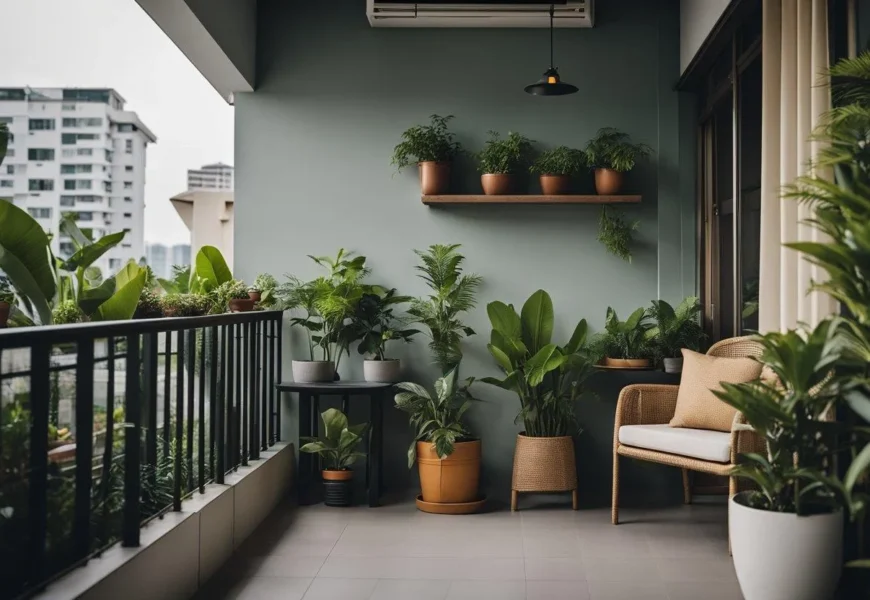
Garden Tips Decoradhouse brings together practical ideas for creating a beautiful, healthy and easy-to-maintain garden at home. Gardening in Singapore has its own challenges, from high humidity and strong sunlight to sudden afternoon showers. But you don’t need a large backyard to enjoy growing plants. An HDB balcony, condominium patio or small outdoor corner can work just as well with proper planning. From selecting tropical plants to improving soil, watering and outdoor decoration, these gardening tips offer simple ways to make your space greener and more inviting.
2. TL;DR – Quick Garden Tips Decoradhouse
- Choose plants that grow well in Singapore’s tropical climate.
- Check sunlight before placing pots or planters.
- Use good-quality, well-draining potting mix.
- Check soil moisture before watering, especially after rain.
- Grow herbs and vegetables in containers.
- Remove weeds, inspect leaves and prevent stagnant water.
3. What Are Garden Tips Decoradhouse?
Garden Tips Decoradhouse focuses on practical gardening methods, outdoor decoration and everyday plant care. The idea is to create an attractive garden without making maintenance difficult or spending too much on supplies. For Singapore homes, this can include growing herbs on an HDB balcony, arranging tropical plants near a sunny window or adding decorative pots to a small patio. These Decoradhouse garden tips also cover soil preparation, watering, pest prevention and sustainable gardening practices. Even a few well-cared-for plants can bring more greenery into your living space.
4. How to Plan a Garden in Singapore
A little planning before buying plants can save money and prevent common gardening problems. Start by looking at your available space, sunlight and drainage.
Check Available Space and Sunlight
An HDB balcony, condominium patio and landed property garden all have different space requirements. Observe how much direct sunlight reaches your area during the day. Some plants prefer several hours of sunlight, while others grow better in partial shade. If floor space is limited, use shelves, hanging baskets or vertical planters. For shared HDB corridors, follow applicable building rules and keep walkways clear.
Understand Soil and Drainage
Use containers with drainage holes so excess water can escape. Choose potting mix suited to the plants you’re growing, rather than filling every container with ordinary garden soil. Good drainage helps protect roots from sitting in water for too long.
5. Best Plants for Singapore’s Tropical Climate
Singapore’s warm weather supports many tropical plants, including edible herbs, leafy vegetables and decorative greenery. Start with plants that suit your available sunlight and growing space.
Edible Plants for Home Gardens
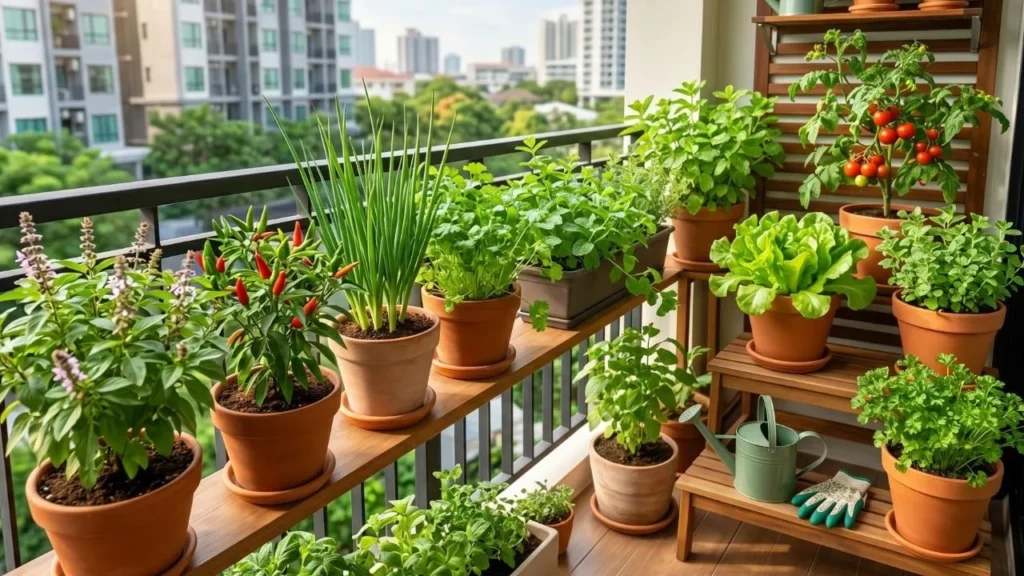
Kangkong, chye sim, Thai basil, laksa leaves, chilli padi and pandan are useful options for home gardening. They can grow in suitable containers, making them practical for people who want fresh ingredients close to their kitchen. Check the growing requirements of each plant before placing it outdoors.
Decorative and Low-Maintenance Plants
Snake plants and Indian borage are popular options to consider for home gardens. You can also add tropical flowering plants for extra color. Choose compact varieties if your balcony has limited space.
| Plant | Suggested growing condition |
|---|---|
| Kangkong | Sunny position with consistently moist soil |
| Thai basil | Good sunlight and well-draining soil |
| Laksa leaves | Partial shade to filtered light |
| Pandan | Bright light and adequate moisture |
| Snake plant | Bright indirect light or lower-light conditions |
Plant requirements can vary by variety, pot size and growing environment. Check individual care instructions before planting.
6. Soil Preparation, Watering and Heavy Rainfall Tips
Healthy roots start with suitable soil and proper watering. Singapore’s frequent rain and humid weather make drainage particularly important for container gardening.
Improve Garden Soil Naturally
Mix suitable organic compost into your potting mix when needed. Compost adds organic matter and supports soil structure. Avoid packing soil too tightly around roots, as plants need air and room for healthy root growth. If you’re using containers, select a mix designed for pots rather than heavy soil from the ground.
Water Plants According to Their Needs
Don’t water every plant on the same schedule. Check the top layer of soil with your finger before reaching for the watering can. Some plants prefer slightly moist soil, while others need the surface to dry between watering sessions. After afternoon rain, check the containers before adding more water.
Protect Plants During Heavy Rain
Make sure drainage holes aren’t blocked by compacted soil or debris. Empty excess water from pot saucers and move vulnerable containers to a sheltered area during heavy showers. These simple habits can reduce waterlogging and root problems.
7. Affordable Garden Decoration Ideas for Singapore Homes
A garden doesn’t need expensive furniture or elaborate landscaping to look attractive. Small changes can make an HDB balcony, patio or outdoor corner feel more welcoming.
Use Decorative Pots and Planters
Combine different pot sizes, colors and textures to add visual interest. Recycled containers can also work as planters, provided they are clean and have suitable drainage holes. Keep heavier pots in stable positions.
Add Vertical Gardening and Outdoor Lighting
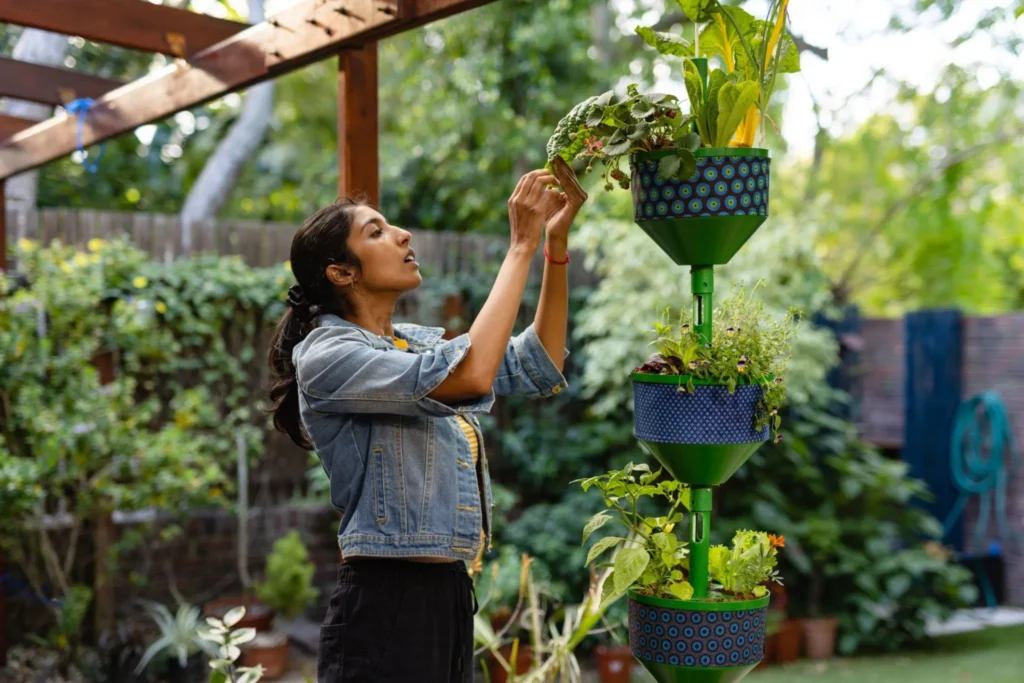
Wall-mounted planters and hanging baskets help save floor space. Solar garden lights can add a soft glow near a seating area or pathway. A compact chair or small outdoor table can also make the space more enjoyable.
| Item | Budget consideration |
|---|---|
| Decorative pots | Size and material |
| Vertical planters | Structure and capacity |
| Solar lights | Quantity and quality |
| Wooden planters | Material and dimensions |
| Outdoor seating | Size and durability |
Garden budget tip: Start with a few pots, basic potting mix and plants you can care for easily. Add lighting, furniture and extra decorations later. Actual spending depends on product quality, dimensions and local supplier prices.
8. Easy Garden Maintenance and Pest Prevention
Regular checks help keep a garden tidy and make plant problems easier to spot. You don’t need to spend hours on maintenance every day. A short routine can cover most basic tasks.
Follow a Simple Maintenance Routine
Remove weeds before they spread, trim dead leaves and check whether plants have outgrown their containers. Add compost when the soil needs it, following the product instructions. Prune plants according to their growth habits rather than cutting them back unnecessarily.
Prevent Common Garden Pests
Inspect the underside of leaves for aphids, caterpillars and other pests. Remove affected leaves when appropriate and improve airflow between crowded pots. Avoid leaving stagnant water in containers or saucers, as it can encourage mosquito breeding.
| Frequency | Task |
|---|---|
| Daily | Check plant condition and soil moisture |
| Weekly | Inspect pests and remove weeds |
| Monthly | Review soil and plant growth |
| As needed | Prune and repot plants |
9. Small and Low-Maintenance Garden Ideas
Limited space doesn’t have to stop you from growing plants. Container gardening works well for HDB balconies and condominium homes, while vertical planters can make use of unused wall space. A small window herb garden is another option for growing Thai basil or other suitable herbs. Choose compact plants that match the available sunlight and avoid overcrowding containers. Low-maintenance plants can also reduce the time needed for regular care. Start with a few pots, see how they grow and add more when you’re comfortable with the routine.
10. Common Gardening Mistakes to Avoid
Some gardening problems start with small mistakes. Avoid placing sun-loving plants in dark corners or putting shade-loving varieties under strong direct sunlight. Overwatering during rainy periods can damage roots, especially in containers without drainage holes. Crowding too many plants into one pot also limits airflow and root growth. Check for pests regularly and empty water-filled plant trays to discourage mosquitoes.
11. Frequently Asked Questions
1. What are the best Garden Tips Decoradhouse for beginners?
Start with a small garden, select plants suited to Singapore’s climate, prepare well-draining soil and check moisture before watering. Regular leaf and pest inspections also help.
2. Which plants grow well in Singapore’s tropical climate?
Kangkong, Thai basil, pandan, laksa leaves, chilli padi and snake plants are options to explore. Their sunlight, watering and space requirements differ.
3. Can I grow vegetables on an HDB balcony?
Yes, suitable vegetables and herbs can grow in balcony containers. Check sunlight, drainage, available space and applicable HDB or town council guidelines before setting up your garden.
4. How often should I water plants in Singapore?
It depends on the plant, pot size, soil and weather. Check soil moisture first, especially after rain, rather than following a fixed daily watering schedule.
5. How can I decorate a small garden on a budget?
Use recycled planters, affordable pots, hanging baskets and simple solar lights. A few coordinated decorations can make a small balcony or patio look attractive without a large budget.
12. Conclusion – Garden Tips Decoradhouse
A beautiful garden can start with just a few suitable plants and a little regular care. Garden Tips Decoradhouse offers practical ideas for Singapore homes, from tropical plant selection and soil preparation to balcony decoration and pest prevention. Pay attention to sunlight, rainfall and drainage, then build your garden at a comfortable pace. Even a small green corner can make home feel fresher and more inviting.