
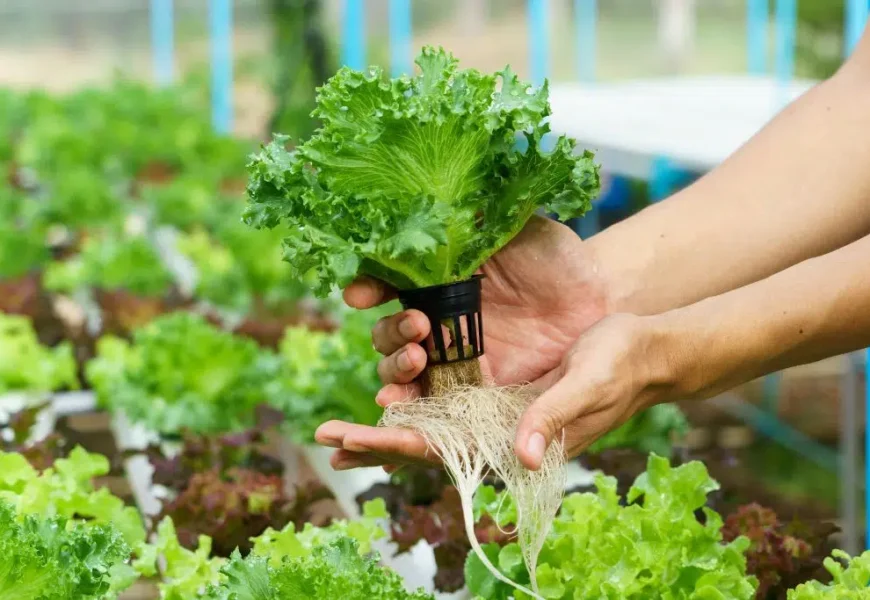
Advantages of hydroponics over soil farming: faster growth, less water, and no weeds. See why growers are switching.
Imagine growing tomatoes that taste better, mature faster, and survive a drought outside your window—without ever touching a scoop of soil. Sounds like something out of a sci-fi greenhouse, right? It’s not. It’s hydroponics, and it’s quietly reshaping how food gets grown in basements, warehouses, and backyards across the world.
If you’ve ever struggled with poor soil, pest invasions, or a garden that just won’t cooperate, this might be the answer you didn’t know you were looking for. Let’s walk through why so many home gardeners and commercial farmers are making the switch.
What Exactly Is Hydroponics?
Hydroponics is a method of growing plants without soil. Instead, roots sit in a nutrient-rich water solution or in an inert growing medium like perlite, coconut coir, or rockwool. The plant gets everything it needs—water, oxygen, and minerals—delivered directly, with none of the guesswork that comes with dirt.
This isn’t a brand-new idea. The ancient Hanging Gardens of Babylon and the floating gardens of the Aztecs used similar soilless principles centuries ago. What’s changed is the technology: pumps, sensors, LED grow lights, and automated nutrient dosing have turned an old concept into a precise science.
For someone googling “how to start a garden without a backyard”, hydroponics often turns out to be the practical answer.
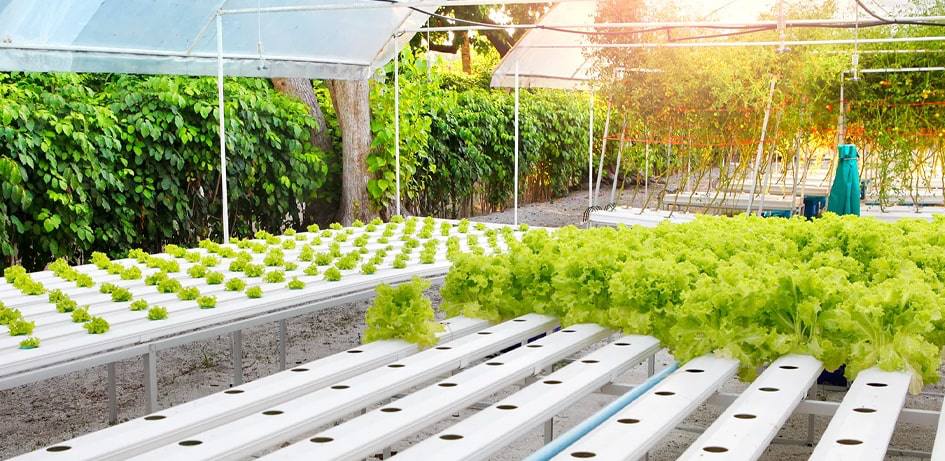
1. Faster Growth and Higher Yields
Plants grown hydroponically tend to mature 30 to 50 percent faster than their soil-grown counterparts. Why? Because the roots don’t have to search through soil for nutrients. Everything they need is already dissolved in the water right next to them, so the plant can put its energy into growing leaves, stems, and fruit instead of stretching roots outward.
This also means more harvests per year. A lettuce farmer using a soil bed might get four or five cycles annually. The same grower using a hydroponic system could squeeze out eight or more. For commercial operations, that difference adds up to real revenue.
A well-known example is AeroFarms in New Jersey, which reports yields up to 390 times higher per square foot than traditional field farming, thanks to vertical hydroponic towers stacked in a converted steel mill.
2. Dramatic Water Savings
Here’s a number that surprises most people: hydroponic systems use up to 90 per cent less water than conventional soil farming. In a world where freshwater scarcity is becoming a serious concern, that’s not a small detail—it’s a genuine solution.
Soil farming loses huge amounts of water to evaporation, runoff, and deep percolation past the root zone. Hydroponics recirculates the same water again and again, topping it up only when plants actually absorb it.
For anyone living in a drought-prone region like parts of California, Arizona, or even regions of Pakistan facing water stress, this efficiency isn’t just convenient. It’s becoming necessary.
| Growing Method | Approximate Water Used per kg of Produce | Land Footprint |
|---|---|---|
| Traditional Soil Farming | 300–500 liters | High |
| Hydroponics | 20–50 liters | Low to Moderate |
| Aquaponics | 30–60 liters | Low |
(Figures are general industry estimates and vary by crop and climate.)
3. No Soil Means Fewer Pests and Diseases
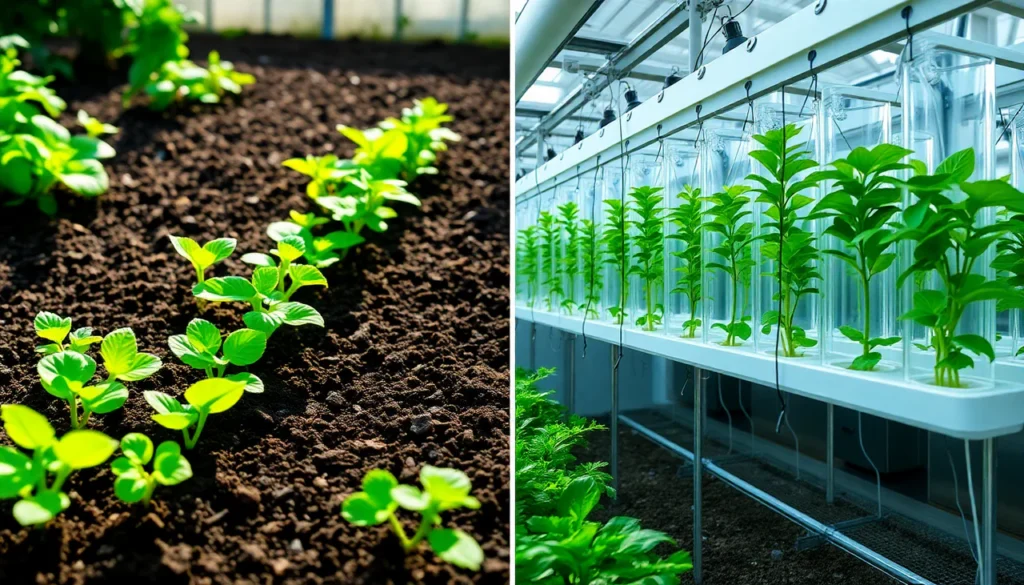
A huge chunk of soil-borne problems—nematodes, fungal rot, weeds, and soil-dwelling insects—simply disappear when there’s no soil involved. That doesn’t mean hydroponic crops are immune to every pest, but the playing field shrinks considerably.
Fewer pests also means less reliance on pesticides and herbicides. That’s good news for anyone wary of chemical residue on their food, and it’s a major selling point for hydroponic produce marketed as “clean” or “low-spray”.
Weeding, one of gardening’s most tedious chores, becomes a non-issue too. There’s no soil for weed seeds to germinate in, which frees up hours that would otherwise go into pulling crabgrass and dandelions.
A Quick Reality Check
Hydroponics isn’t a magic shield. Airborne pests like aphids and whiteflies can still show up, and root diseases like pythium can spread fast in water-based systems if hygiene slips. The advantage is fewer entry points for trouble, not zero risk.
4. Precise Control Over Nutrients
In soil, nutrient availability depends on pH, microbial activity, weather, and a dozen other variables you can’t fully control. In hydroponics, you control the nutrient solution directly. Want more nitrogen during the vegetative stage? Adjust it. Need more potassium and phosphorus as fruiting begins? Dial it in.
density because this precision often results in produce with better flavour, colour, and nutritional density because plants aren’t fighting deficiencies or excesses caused by inconsistent soil quality.
Growers using systems like the Nutrient Film Technique (NFT) or Deep Water Culture (DWC) can track pH and electrical conductivity (EC) with handheld meters, adjusting in real time rather than waiting weeks to see results in stunted or yellowing leaves.
5. Grow Anywhere, Any Season
This might be the advantage that excites people most. Hydroponics doesn’t care about your zip code’s growing season, soil type, or whether your backyard gets enough sun. Combine it with LED grow lights and a controlled indoor environment, and you can grow strawberries in December or basil in a Dubai apartment with zero outdoor space.
Urban farms, shipping-container farms, and even restaurant basements are now producing fresh greens year-round using vertical hydroponic setups. Singapore, a city-state with almost no farmland, has invested heavily in hydroponic and vertical farming to boost local food production toward its “30 by 30” food security goal.
Could your unused garage corner or spare room become a mini food source? For more people than you’d think, the answer is yes.
6. Space Efficiency Through Vertical Growing
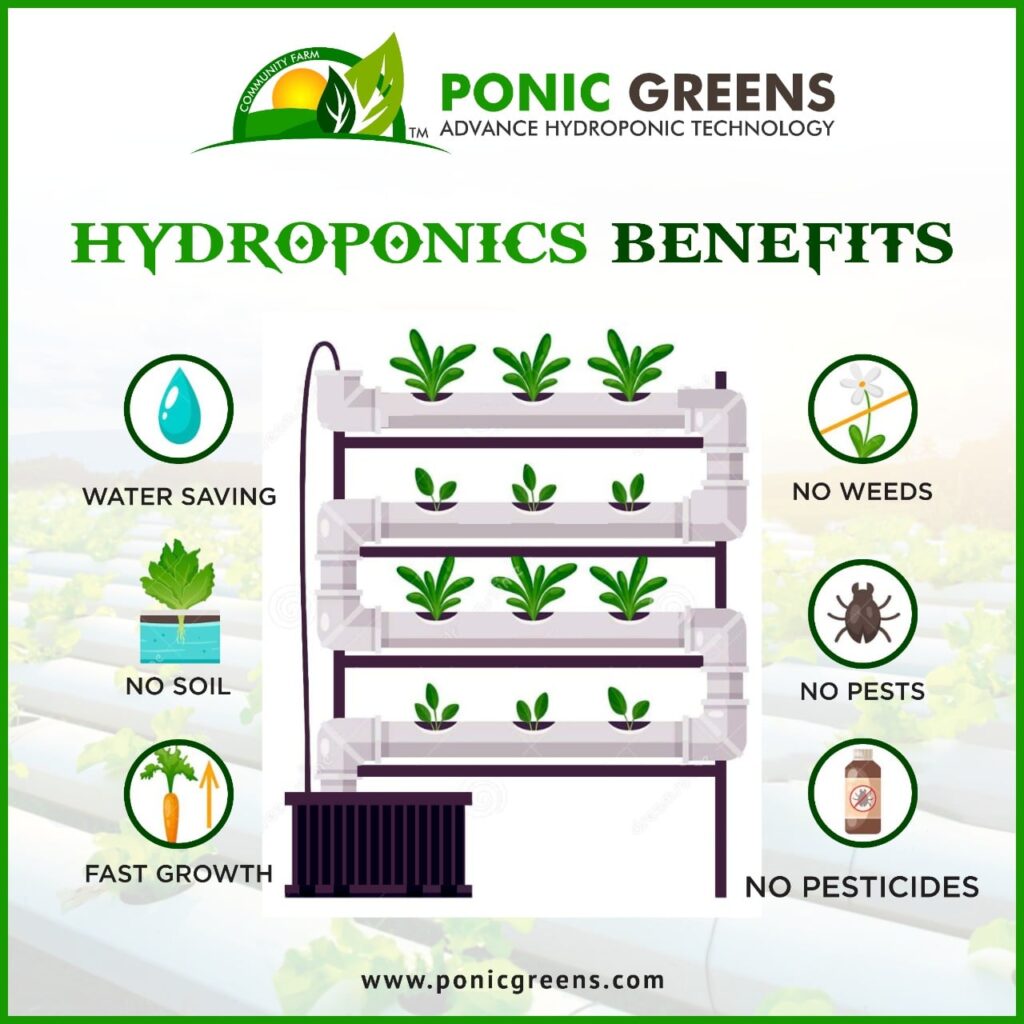
Traditional farming spreads plants out horizontally, using huge amounts of land. Hydroponics, especially when combined with vertical towers or stacked trays, grows upward instead. This means a small urban lot or even an indoor room can produce what would otherwise need several times the land area.
That space efficiency matters enormously in crowded cities where land is expensive or simply unavailable. It also opens doors for hyper-local food production—herbs and greens grown a few miles (or a few floors) from where they’re sold, cutting down on transportation costs and spoilage.
Restaurants are increasingly installing small hydroponic units on-site to harvest herbs minutes before they hit the plate. Freshness like that is hard to match with anything trucked in from a distant farm.
7. Better Resource and Cost Efficiency Over Time
hydroponics. Favours favour: Yes, setting up a hydroponic system costs more upfront than tilling a garden bed. Pumps, grow lights, reservoirs, and monitoring equipment aren’t free. But the long-term maths often favours hydroponics.
- Lower water bills due to recirculation
- Reduced fertilizer waste since nutrients go directly to roots
- Less labor spent weeding, tilling, and battling soil pests
- Higher yield per square foot, improving return on space
- Fewer crop losses from drought, flooding, or soil contamination
For a hobby grower, the payback period might be a year or two. For commercial operations growing high-value crops like leafy greens, herbs, or strawberries, the return can come even faster.
Common Hydroponic Systems Worth Knowing
If you’re considering trying this yourself, it helps to know the basic system types before buying equipment:
- Wick System – Simple and passive; nutrient solution is drawn up through a wick. Great for beginners and small herbs.
- Deep Water Culture (DWC) – Roots hang directly in oxygenated nutrient water. Popular for lettuce and leafy greens.
- Nutrient Film Technique (NFT) – A thin film of nutrient solution flows continuously over roots. Common in commercial setups.
- Drip System – Nutrient solution drips slowly onto the base of each plant. Flexible and scalable.
- Aeroponics – Roots are suspended in air and misted with nutrient solution. Highly efficient but more technical.
Each has trade-offs in cost, complexity, and crop suitability, so matching the system to your goals matters more than chasing the “best” one on paper.
Is Hydroponics Right for You?
This is worth asking honestly before investing time and money. Hydroponics works wonderfully for leafy greens, herbs, strawberries, and tomatoes. It’s less practical for root vegetables like potatoes or carrots, and large field crops like wheat or corn aren’t realistic candidates at all.
If you have limited outdoor space, unreliable soil quality, or simply want fresher produce on a faster cycle, hydroponics deserves serious consideration. If you already have thriving garden beds and enjoy the traditional process, there’s no urgent need to switch—though even a small hydroponic herb unit on a kitchen counter can be a satisfying side project.
What would you grow first if space and season weren’t a limitation? That question alone is often enough to get someone started.
Practical Tips for Getting Started
- Start small with a single wick or DWC system before scaling up
- Choose fast-growing, forgiving crops like lettuce, basil, or spinach for your first attempt
- Invest in a reliable pH and EC meter early; this prevents most beginner mistakes
- Keep your reservoir clean to avoid algae and root rot
- Research your specific crop’s nutrient requirements rather than using a one-size-fits-all formula
For deeper technical guidance, university extension programmes and resources from organisations like the Food and Agriculture Organization (FAO) offer research-backed information on soilless and controlled-environment agriculture.
Conclusion: The Bottom Line on Hydroponics
Hydroponics isn’t just a trend for tech-savvy urban farmers—it’s a practical response to real problems: water scarcity, shrinking farmland, unpredictable seasons, and the desire for fresher food closer to home. Faster growth, dramatic water savings, fewer pests, precise nutrient control, year-round growing, space efficiency, and long-term cost benefits make a compelling case for giving it a serious look.
You don’t need a warehouse or a science degree to get started. A single wick system on a windowsill can be your first step toward understanding how this method works before scaling up to something bigger. The real question isn’t whether hydroponics works—it clearly does. The question is whether you’re ready to try growing something without the dirt under your fingernails.
Frequently Asked Questions
Is hydroponic produce as nutritious as soil-grown produce?
Generally, yes. Several studies show hydroponically grown vegetables can match or exceed soil-grown produce in vitamin and mineral content, largely because nutrient delivery is so precisely controlled.
How much does it cost to start a basic home hydroponic system?
A simple beginner kit, like a wick or small DWC setup, can cost as little as $30 to $100. Larger or automated systems with grow lights and pumps can run into several hundred dollars or more.
Does hydroponics use chemicals, or is it organic?
Most hydroponic systems use synthetic nutrient solutions, though organic-certified nutrient blends do exist. “Organic hydroponics” is a growing niche but remains debated in some certification circles.