Root growth fertilizer strengthens plant foundations before problems start. Learn the 7 best options, when to use them, and what actually works below the soil.
Introduction
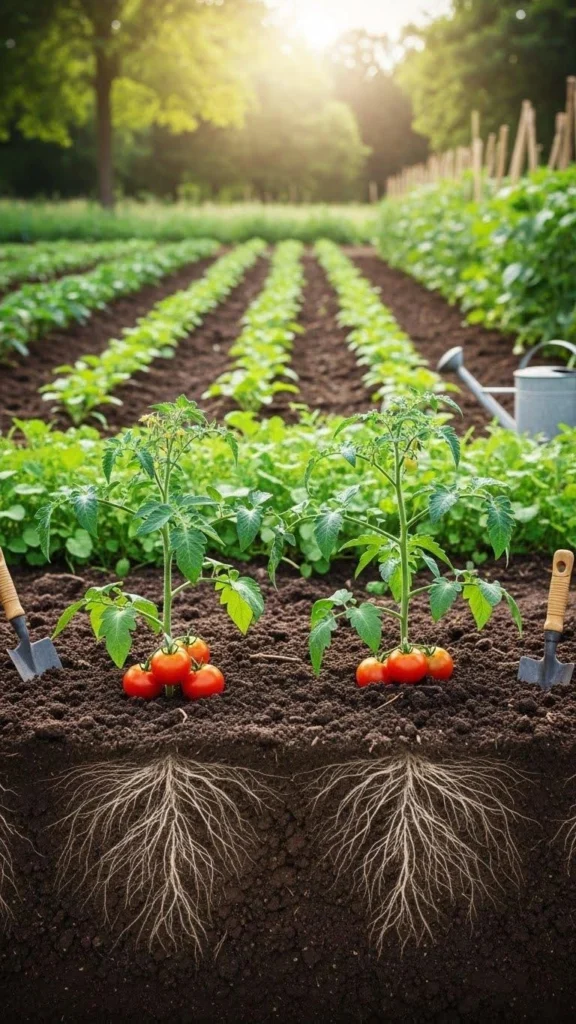
Most gardeners focus on what they can see — the leaves, the flowers, the fruit. But everything that happens above ground is only possible because of what’s happening below it. A plant with a weak, shallow, or damaged root system will always underperform, no matter how well you manage the visible parts. Roots are where nutrition is absorbed, where water is collected, and where the plant stores its reserves for stressful periods.
Root growth fertilizers address this foundation directly. Used correctly, they produce plants with deeper root systems, stronger establishment after transplanting, better drought tolerance, and dramatically improved overall performance. But not all root-supporting products work the same way, and picking the wrong one at the wrong time is a real and common mistake.
Why Root Development Matters More Than Most Gardeners Realize
Think of plant roots as the infrastructure of a building. An impressive skyscraper is only possible because of a foundation engineered to support it. In plants, the above-ground growth is only as good as the root system beneath it.
Root systems do far more than anchor plants. They absorb water and dissolved minerals, produce certain hormones that regulate shoot growth, store carbohydrates during winter dormancy, and form partnerships with soil fungi that dramatically expand their effective reach. A well-developed root system can access water and nutrients across a much larger soil volume than a shallow one, which is why deep-rooted plants consistently outperform shallow-rooted ones during drought conditions.
Newly transplanted plants — whether seedlings, young trees, container plants moved to the ground, or divisions — are at their most vulnerable during root re-establishment. This is when root growth fertilizers provide their highest value.

The Nutrients Behind Root Growth
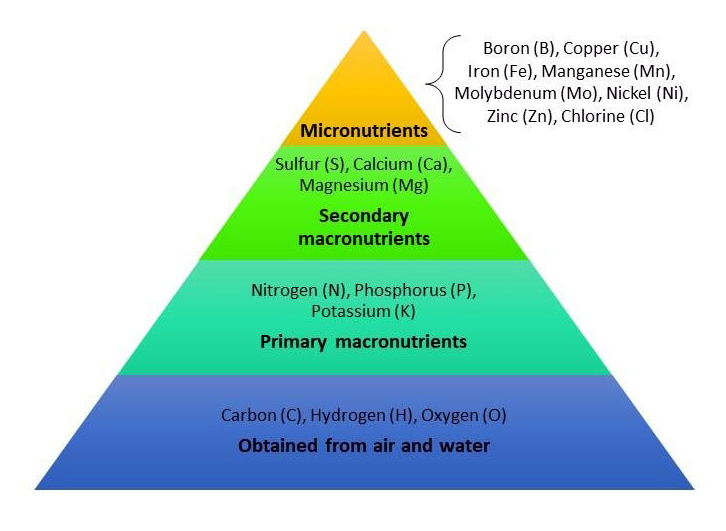
Root development isn’t magic. It’s chemistry. Several nutrients play key roles in driving root proliferation and root health.
Phosphorus (P): The primary root development nutrient. Phosphorus is essential for cell energy transfer (ATP production) and directly supports the cell division that builds new root tissue. Plants receiving adequate phosphorus establish root systems faster, reach deeper, and branch more extensively than phosphorus-limited plants.
Potassium (K): Supports root cell wall strength and water regulation within root cells. Adequate potassium helps roots survive drought stress and physical disturbance.
Calcium: Critical for cell wall integrity in root tips. Without calcium, root tips are fragile and don’t elongate properly. This is one reason why blossom end rot in tomatoes (a calcium uptake issue) is closely tied to root health — if calcium can’t move through the plant, root tips suffer along with fruit.
Zinc: Influences auxin (a natural root-promoting hormone) metabolism in plants. Zinc-deficient plants often have inhibited root development even when other nutrients are present.
Boron: Required for cell wall formation and cell division in root tips. Boron deficiency causes root tips to die back, producing a stubby, poorly branched root system.
Beyond individual nutrients, beneficial soil biology — particularly mycorrhizal fungi — dramatically amplifies root function in ways that nutrients alone can’t replicate.
7 Best Root Growth Fertilizers and Amendments
1. High-Phosphorus Starter Fertilizers
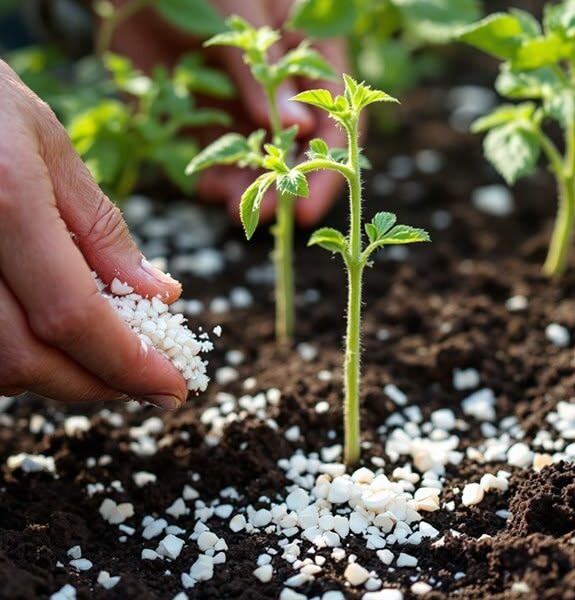
The most widely used root growth fertilizers are starter fertilizers with elevated phosphorus content. Products labelled with a high middle number in the N-P-K ratio — like 5-20-5, 6-24-6, or 9-23-7 — deliver concentrated phosphorus directly to the root zone at planting time.
These work best when incorporated into the soil before planting or mixed into the planting hole. Phosphorus moves very slowly through soil, so surface-applied phosphorus often doesn’t reach roots effectively. Placement matters: getting phosphorus within an inch or two of developing roots produces far better results than broadcasting it on the surface.
Starter fertilizers are appropriate for vegetable transplants, annual flower plantings, new lawn seedings, and any situation where a young plant is establishing roots in a new location.
2. Bone Meal
Bone meal is the original organic phosphorus fertilizer — ground animal bones with a typical analysis around 3-15-0 plus significant calcium. It releases phosphorus slowly over months as soil organisms break it down, making it a reliable long-term root development support.
Apply bone meal in the planting hole or work it into the top 4 to 6 inches of soil before planting. It’s particularly valuable for perennial plantings — trees, shrubs, bulbs, and perennial flowers — where you want sustained root development over multiple seasons. Because of its calcium content, it has the added benefit of supporting root cell wall integrity alongside phosphorus-driven root proliferation.
It works best in neutral to slightly acidic soils. In highly alkaline soils (above pH 7.5), phosphorus from bone meal can become chemically unavailable.
3. Mycorrhizal Fungi Inoculants
This is not a fertilizer in the traditional sense — it’s a biological amendment. But its impact on root function often exceeds what any chemical fertilizer can achieve alone, which is why it belongs on this list.
Mycorrhizal fungi form symbiotic partnerships with plant roots. The fungal threads (hyphae) extend far beyond the root zone — sometimes many feet beyond — and transfer water and nutrients (particularly phosphorus) back to the plant. In exchange, the plant provides carbohydrates (sugars) to the fungus. The result is an effectively much larger root system without the plant needing to grow more roots.
Research from multiple universities shows that plants inoculated with appropriate mycorrhizal species at transplanting establish faster, require less supplemental watering, and perform better under nutrient-limited conditions. Products containing both ecto- and endo-mycorrhizal species (like those from Mycorrhizal Applications or Great White) cover a broader range of plant types.
Apply mycorrhizal inoculants at planting time, in direct contact with roots. They can be dusted on bare roots, mixed into planting hole backfill, or dissolved in water as a root drench. Avoid applying alongside fungicides or very high-phosphorus fertilizers immediately — both can suppress fungal establishment.
4. Liquid Root Stimulators
Liquid root stimulator products (like Bonide Root & Grow, Fertilome Root Stimulator, or Stark Bro’s Root Stimulator) typically combine a modest amount of phosphorus with synthetic indole-3-butyric acid (IBA) — a synthetic analogue of the natural root-promoting hormone auxin.
These products are designed for watering in at transplanting and deliver both hormonal and nutritional support directly to the root zone. They’re particularly popular for transplanting trees, shrubs, and container plants that experience significant root disruption during the move.
Results are genuinely noticeable in field trials. Plants treated with root stimulators at transplanting show faster bud break, earlier establishment, and reduced transplant shock compared to untreated controls.
5. Kelp and Seaweed Extracts
Kelp and seaweed-based products are consistently underestimated in their impact on root development. These products are naturally rich in cytokinins and auxins — plant hormones that directly regulate root initiation and growth. They also contain betaines and osmotic compounds that help roots tolerate drought stress.
The mode of action is different from phosphorus-based root fertilizers. Rather than providing the raw materials for root building, kelp extracts stimulate the plant’s own hormone-driven root growth processes. They work synergistically with starter fertilizers and mycorrhizal inoculants rather than replacing them.
Liquid kelp applied as a soil drench at transplanting, and then every 2 to 3 weeks during the establishment period, consistently improves rooting in a wide range of plants. Even at very low application rates (1–2 tablespoons per gallon), the effect on root development is measurable.
6. Humic and Fulvic Acid Products
Humic acids and fulvic acids are naturally occurring compounds formed by the breakdown of organic matter over long periods. They’re found in high-quality compost, leonardite (a soft form of lignite coal), and certain mined deposits, and they have a fascinating range of effects on root development.
The humic acids improve soil structure, increase cation exchange capacity (the soil’s ability to hold onto nutrients), and appear to directly stimulate root cell growth. Fulvic acid — the smaller, more water-soluble fraction can penetrate root cells more easily and act as a carrier for other nutrients.
Products like BioAg Ful-Power (liquid fulvic acid) or Soil Hume (granular humic acid) are increasingly popular with both home gardeners and commercial growers. They work best in combination with primary fertilizers rather than as standalone root treatments.
7. Worm Castings
Worm castings are one of the most beneficial root-zone amendments available, and they work through multiple mechanisms simultaneously. They contain plant-available nutrients (though at modest concentrations), beneficial bacteria and fungi, natural plant hormones including auxins and gibberellins, and complex organic compounds that improve soil porosity and water retention.
A 2015 study published in the journal Bioresource Technology found that worm castings significantly increased root length, root volume, and root surface area in multiple vegetable crops compared to untreated controls. The researchers attributed this to both the hormonal compounds and the microbial activity the castings introduce to the root zone.
Use worm castings by mixing them into planting holes (a handful per plant), incorporating them into seed-starting mixes at 10 to 20% by volume, or brewing them as a “casting tea” (soaking castings in water overnight and applying the liquid as a root drench). They’re safe to use in direct contact with roots — no burn risk.
Root Fertilizer Comparison Table
| Product Type | Primary Mechanism | Best Application Timing | Burn Risk | Cost per Use |
|---|---|---|---|---|
| High-P Starter Fertilizer | Phosphorus delivery | At planting, pre-incorporation | Low-moderate | Low |
| Bone Meal | Slow P + calcium | Pre-plant in planting hole | Very low | Low |
| Mycorrhizal Inoculants | Root extension via fungi | At transplant, root contact | None | Moderate |
| Liquid Root Stimulators | P + IBA hormone | At transplanting, root drench | Low | Low |
| Kelp/Seaweed Extract | Natural growth hormones | Transplant + every 2–3 weeks | None | Low-moderate |
| Humic/Fulvic Acids | Soil structure + nutrient availability | Pre-plant or ongoing drench | None | Moderate |
| Worm Castings | Nutrients + biology + hormones | At planting, in mix, or as tea | None | Low-moderate |
When to Use Root Growth Fertilizer
Timing matters as much as product selection. The most impactful windows for root-focused fertilization are:
Before planting: Incorporate phosphorus-rich amendments into the soil ahead of transplanting. This puts nutrients where roots will grow into them.
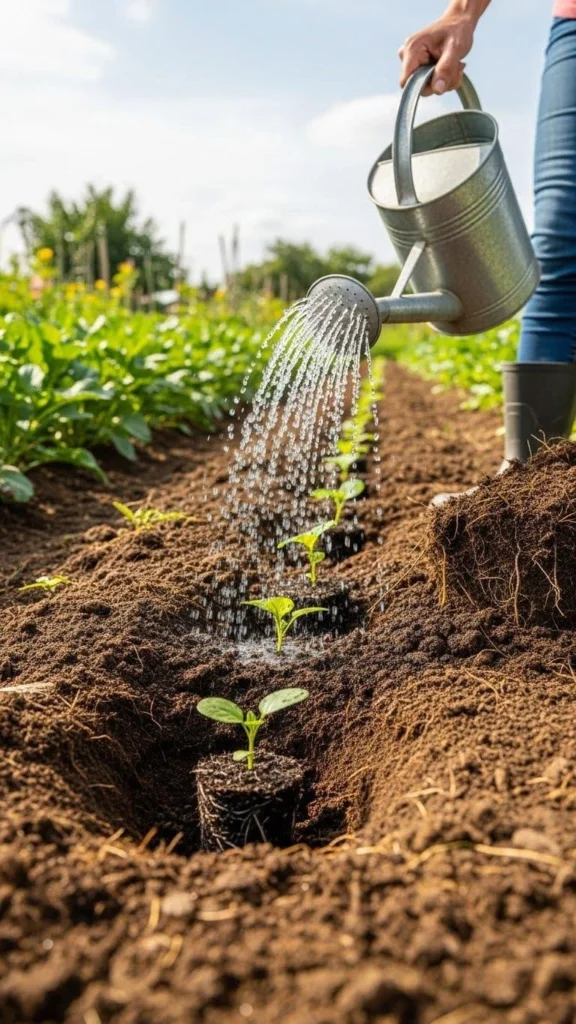
At transplanting: The highest-leverage moment. Apply liquid root stimulators, mycorrhizal inoculants, and kelp drenches at the moment of transplanting. The plant’s roots are freshly exposed and most receptive to these treatments.
First 4 to 6 weeks after transplanting: The critical establishment window. Continue biweekly applications of liquid kelp or diluted fish emulsion to support ongoing root development. Don’t switch to high-nitrogen formulas yet — nitrogen pushes top growth while the root system is still insufficient to support it.
Fall for perennials, trees, and shrubs: Root growth continues in fall even after top growth has slowed. A phosphorus-focused application in early fall extends the root development season and builds root reserves for winter.
A Practical Story: What Happened When Roots Were Prioritized
A market garden operation in Vermont switched their transplanting protocol for tomatoes in 2019. Previously, they had been applying a balanced synthetic fertilizer at planting. In the new protocol, they mixed mycorrhizal inoculant directly onto bare roots before transplanting, applied a root stimulator drench immediately after planting, and followed up with kelp extract every two weeks for the first month.
First-year yield data showed a 22% increase in tomato yield per plant. More notable was the drought response: in a dry July that year, the mycorrhizal-inoculated plants recovered from water stress noticeably faster than a control section that received the older protocol. The grower attributed this entirely to more extensive root systems in the treated plants.
This isn’t an isolated anecdote — similar results appear repeatedly in peer-reviewed research and in the practical reports of experienced organic growers.
What Doesn’t Work for Root Growth
It’s worth addressing some common misconceptions:
High-nitrogen fertilizers don’t build roots. In fact, excessive nitrogen early in plant development actively suppresses root development by redirecting the plant’s energy into leaf and stem growth. This is why nitrogen-heavy fertilizers should be avoided during the establishment phase.
More phosphorus isn’t always better. Very high soil phosphorus levels can actually suppress mycorrhizal formation — the fungi don’t establish partnerships with plants when the plant can already access plenty of phosphorus without them. This is why following label rates on starter fertilizers matters.
Rooting powder (IBA hormone) is for cuttings, not transplants. Rooting powder formulations are concentrated hormone products designed for dipping cuttings before placing them in propagation media. They’re not designed for established root systems, and using them on transplants isn’t particularly beneficial — liquid root stimulators contain lower, more appropriate concentrations.
Conclusion
Roots are invisible, and that makes them easy to ignore. But the plants that outperform – the transplants that establish quickly, the trees that recover fast from drought, the vegetable garden that thrives through a tough summer – almost always have superior root systems behind their success.
Root growth fertilizers work best when used thoughtfully: phosphorus-rich amendments incorporated before planting, mycorrhizal inoculants and liquid stimulators applied at the transplanting moment, and kelp or humic acid drenches maintained through the establishment period.
Start with the transplanting moment. It’s the highest-leverage point in a plant’s life, and a few targeted products applied correctly can change the entire trajectory of how that plant grows. Build the foundation right, and everything above it follows.
FAQs
What is the best fertilizer for root development?
For most plants, a combination of high-phosphorus starter fertilizer incorporated into the soil plus mycorrhizal inoculant applied at transplanting produces the best root development results.
Does phosphorus really help root growth?
Yes, substantially. Phosphorus is the primary nutrient for root cell energy and development. Plants with adequate phosphorus establish root systems significantly faster than phosphorus-limited plants.
Can I use root fertilizer on established plants?
Yes, but the need is lower. Established plants have functional root systems already. Root fertilizers provide the most benefit during establishment — from transplanting through the first growing season.
How long does it take for root fertilizers to show results?
You won’t see root development directly, but you’ll see the above-ground evidence within 2 to 4 weeks: faster leaf expansion, stronger stem growth, and better response to watering. In transplants, reduced wilting and faster bud break are early indicators.
Can I use mycorrhizal inoculant with regular fertilizer?
You can, but avoid very high-phosphorus applications immediately before or after mycorrhizal inoculation, as high soil phosphorus suppresses fungal establishment. Wait 2 to 3 weeks after inoculation before applying phosphorus-heavy fertilizers.