
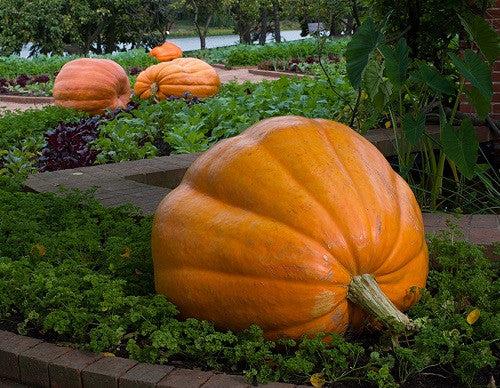
Learn when and how to plant pumpkins in Ohio, including planting dates, soil prep, spacing, watering tips, and what most Ohio gardeners get dangerously wrong.
Introduction
Ohio has this sneaky problem that catches new pumpkin growers every year. People plant too late, think they’re fine, then watch the first frost arrive in October while their pumpkins are still stubbornly green. Or they plant too early, the cold soil stalls germination, and the whole start date gets wasted.
Getting the timing right in Ohio isn’t difficult — but it does require knowing a few things that general gardening advice glosses over. This guide walks you through exactly when and how to plant pumpkins in Ohio so that your harvest lands when you want it, not as a near miss.
Understanding Ohio’s Climate for Pumpkin Growing
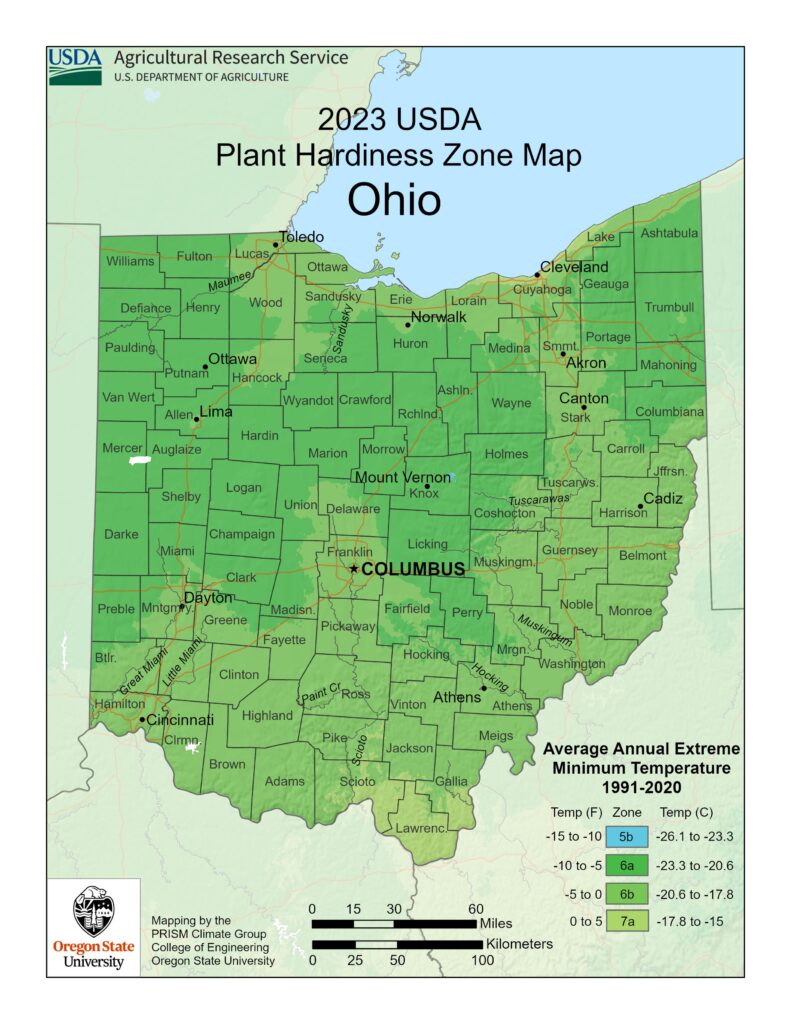
Ohio spans USDA hardiness zones 5a through 6b depending on where you are. The northern part of the state — Cleveland, Toledo, and the Lake Erie shoreline — tends to have slightly longer, wetter growing seasons thanks to the lake effect. The southern part of the state, around Cincinnati and the Ohio River valley, is warmer and drier.
This matters for pumpkins because the planting window shifts based on your location within Ohio.
As a general rule, Ohio’s last spring frost ranges from mid-April in southern Ohio to late May in the far north. The first fall frost arrives anywhere from late September in the northern counties to late October in the south.
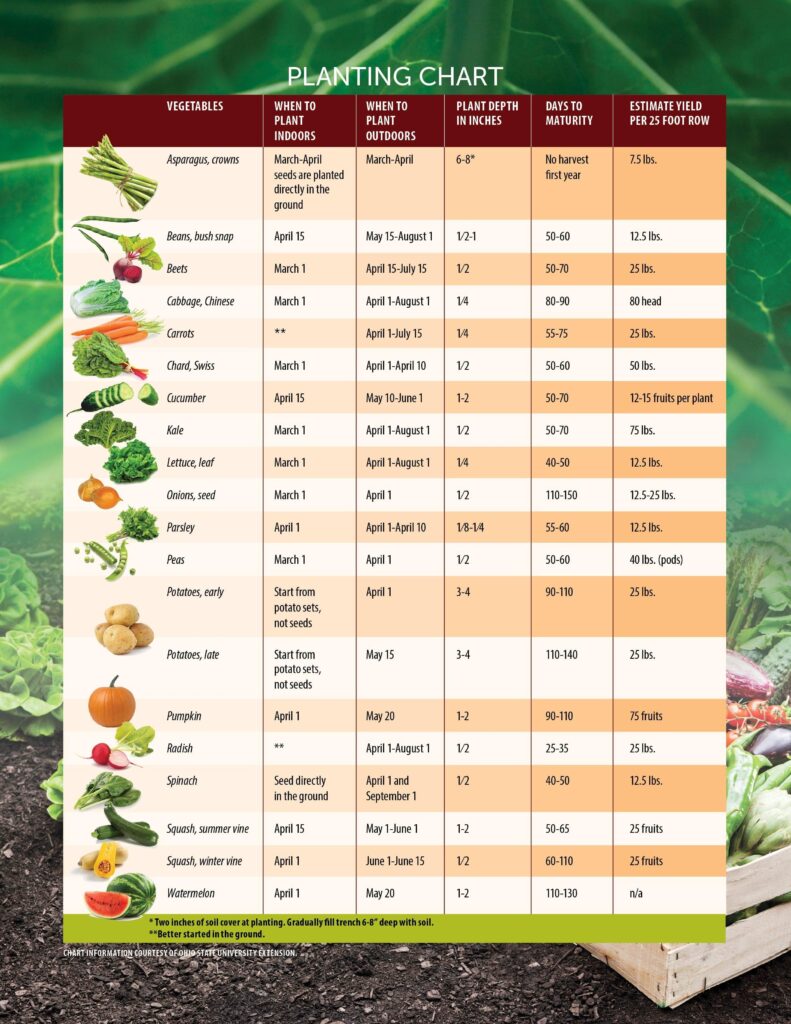
Pumpkins need between 75 and 120 days to mature depending on the variety. If you count backwards from your expected first fall frost date, that gives you your ideal planting date. For most of Ohio, that means planting in late May to early June.
When to Plant Pumpkins in Ohio: A Clear Timeline
This is the question most Ohio gardeners search for, and the answer depends on which part of the state you’re in and what size pumpkins you’re growing.
| Ohio Region | Last Spring Frost (Avg) | First Fall Frost (Avg.) | Ideal Planting Window |
|---|---|---|---|
| Northern Ohio (Cleveland, Toledo) | May 10–20 | Oct 5–15 | Late May to June 5 |
| Central Ohio (Columbus, Marion) | April 25–May 10 | Oct 10–20 | May 15–June 1 |
| Southern Ohio (Cincinnati, Portsmouth) | April 10–25 | Oct 15–30 | May 1–May 20 |
| Eastern Ohio (Zanesville, Canton) | May 1–15 | Oct 5–15 | May 15–June 1 |
Important note: Pumpkin seeds need soil temperatures of at least 60°F (65°F is better) to germinate well. Even if the last frost date has passed, planting into cold soil just delays germination and stresses the seedling. If you plant in late May but soil temperatures are still in the 55°F range, wait another week or two.
A soil thermometer is a worthwhile $10 investment if you’re serious about vegetable gardening in Ohio.
Choosing the Right Pumpkin Variety for Ohio
Not all pumpkins are equal when it comes to Ohio’s growing conditions. Your choice of variety affects maturity time, disease resistance, and ultimately whether you get pumpkins in time for fall.
Small and Mid-Size Varieties
- Sugar Pie: 100 days. Classic pumpkin pie, dense sweet flesh. Perfect for baking and decorating.
- Jack Be Little: 90–95 days. Miniature decorative pumpkins are great for short growing windows.
- Baby Boo: 95 days. Small white pumpkins with good ornamental appeal.
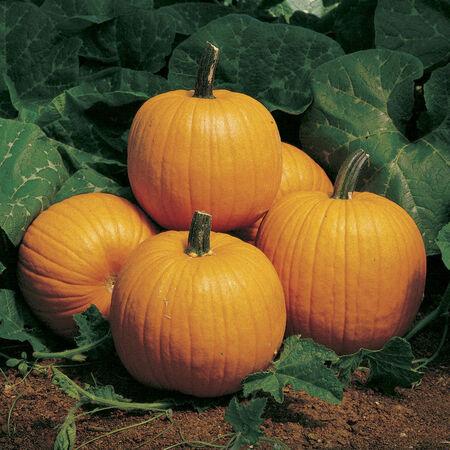
- Howden: 115 days. The iconic round orange carving pumpkin. Works well in central and southern Ohio but requires careful timing in the north.
Large and Giant Varieties
- Atlantic Giant: 120+ days. The competition pumpkin. Needs to be started indoors 2–3 weeks early in Ohio to have any chance at full size.
- Big Max: 120 days. Large, bright orange, and better eating quality than most giants. Tight but doable in Ohio with early planting.
- Dill’s Atlantic Giant: Similar to Atlantic Giant. Requires an extremely long growing season — northern Ohio growers will need to start seeds indoors in early May.
For most Ohio gardeners, varieties in the 90–110 day range are the practical sweet spot. They mature in time even with mid-May planting and handle Ohio’s weather reasonably well.
Step-by-Step: How to Plant Pumpkins in Ohio
Step 1 — Choose and Prepare Your Site
Pumpkins need full sun — at least 6–8 hours of direct sunlight per day. They also need space. A single pumpkin vine can spread 8–15 feet in all directions. Plan for this before you plant rather than after.
Ohio soils vary widely. You might be dealing with heavy clay in much of central and western Ohio, loam in the river valleys, or sandy soils in some eastern areas. Pumpkins grow best in well-draining, fertile loam. If you’re working with clay, work in 3–4 inches of compost and consider raised planting mounds (more on that below).
Avoid planting where you’ve grown squash, cucumbers, or pumpkins in the previous two years to reduce soil-borne disease buildup.
Step 2 — Build Mounds or Hills
Traditional pumpkin planting uses mounds or “hills” — slightly raised mounds of soil 12–18 inches wide and 6–8 inches tall. This improves drainage, warms the soil faster, and gives roots a loose, aerated environment to establish quickly.
Space your mounds about 6–8 feet apart for standard varieties and 8–10 feet for large varieties. Before planting, work compost, aged manure, or a balanced vegetable fertiliser into each mound.
Step 3 — Plant Seeds Correctly
Direct seeding is the standard approach in Ohio. Plant 3–4 seeds per mound, about 1 inch deep, pointed end down. Once seedlings emerge and reach 3–4 inches tall, thin to the 2 strongest plants per mound. It’s a little painful to pull out healthy seedlings, but overcrowding creates problems later.
If you want to start seeds indoors to gain extra time, do it no more than 3 weeks before transplanting. Pumpkins don’t like having their roots disturbed, so start seeds in large peat pots or biodegradable containers that can go directly in the ground.
Step 4 — Water Properly
Pumpkins are thirsty during establishment and fruit development, but they don’t want wet foliage. Overhead watering encourages powdery mildew and other fungal issues that are common in Ohio’s humid summer climate.
Use drip irrigation or a soaker hose if possible. If hand-watering, direct water at the base of the plant. Water deeply and less frequently — about 1 inch of water per week is the baseline. During hot, dry stretches in July and August, increase to 1.5–2 inches per week.
Reduce watering slightly once fruits are nearly full-sized and you’re a few weeks from harvest. This helps concentrate sugars in the flesh and hardens the rind.
Step 5 — Fertilize at the Right Times
Pumpkins are heavy feeders that go through different nutrient needs across the season.
At planting, work a balanced fertiliser (10-10-10) or compost into the soil. Once the vines start running (2–3 feet long), side-dress with a nitrogen-heavy fertiliser to push vegetative growth. When flowers appear, switch to a phosphorus- and potassium-heavy formula to encourage fruit development. Excess nitrogen at the flowering stage causes lush vines but poor fruit set.
A simple schedule:
- At planting: Balanced 10-10-10
- Vine stage: Higher nitrogen (like 21-0-0 or compost tea)
- Flowering/fruiting: Lower nitrogen, higher potassium (like 5-10-10)
Step 6 — Manage Pests and Diseases Common in Ohio
Ohio summers bring specific pests and diseases that pumpkin growers face regularly.
Squash vine borers are the most destructive insect pest for Ohio pumpkin growers. The adult moth lays eggs at the base of stems in June and July. The larvae bore inside the stem and kill vines from the inside out. By the time you see wilting, it’s often too late.
Prevention strategies:
- Cover young plants with row cover until flowering begins.
- Wrap stem bases with aluminium foil — the moths don’t like laying eggs on it.
- Inspect stems weekly for orange frass (sawdust-like excrement). If found early, you can cut out the larvae and mound soil over the wound.
Powdery mildew is almost inevitable in Ohio by late summer. It’s a fungal disease that coats leaves with a white powdery residue. It rarely kills established plants outright but weakens them. Improve airflow, avoid overhead watering, and use neem oil or potassium bicarbonate as preventive sprays.
Cucumber beetles spread bacterial wilt and can devastate young plants quickly. Row covers early in the season help. Yellow sticky traps catch adults. Kaolin clay sprayed on plants deters them.
Step 7 — Know When to Harvest
Harvesting at the right time is as important as planting at the right time. A pumpkin harvested too early won’t last long. Here are the signs of maturity to look for:
- The rind is hard and doesn’t dent easily with a fingernail.
- The skin colour has reached its mature hue (deep orange for most varieties).
- The stem has started to dry and cork over.
- The tendril nearest the fruit on the vine has died back and turned brown or black.
Cut (don’t pull) pumpkins from the vine, leaving 3–4 inches of stem attached. Stems break off easily, and pumpkins without stems rot much faster. After harvest, cure pumpkins in a warm (80–85°F), dry place for 10–14 days to harden the skin before storage.
What Most Ohio Pumpkin Growers Get Wrong
Let’s talk about the mistakes that cost Ohio gardeners their harvest every year.
Planting too late in northern Ohio. It seems obvious in hindsight, but many gardeners in Cleveland or Toledo wait until mid-June because “that’s when it feels like summer”. For a 110-day variety, a June 15 planting date means harvest in early October – right when early frosts arrive. Plant in late May and give yourself a buffer.
Ignoring squash vine borers. Every year. These borers are predictable. They appear in June and July. If you’ve lost pumpkin vines before and never found the cause, this is almost certainly it. Prevention is far easier than treatment.
Planting in a low-lying spot that holds water after rain. Ohio summers involve heavy thunderstorms. A poorly drained spot leads to root rot, stem rot, and plant collapse. Raised mounds and good site selection prevent most of this.
Overcrowding. Two plants per mound is enough. Three or four competing vines quickly become a tangled, diseased mess. Thinning feels wasteful but results in far healthier, more productive plants.
Conclusion
Growing pumpkins in Ohio is genuinely rewarding — but Ohio’s relatively short growing window means there’s little room for mistakes on timing. Plant too late and you’re racing the frost. Plant in cold soil, and you waste weeks waiting for seeds to sprout. Get it right and you’ll have more pumpkins than you know what to do with come September and October.
Your action step: Right now, look up your county’s average first fall frost date (the Ohio State University Extension website has this by county). Count back the days to maturity for the variety you want to grow, and that gives you your target planting date. Put it on your calendar today, and buy seeds before the best selections sell out in spring.
Ohio’s seasons are on your side if you work with them. Plan ahead, choose the right variety, and your pumpkin patch will be something to genuinely be proud of.
Frequently Asked Questions
When is the best time to plant pumpkins in Ohio?
Most of Ohio falls in a planting window of mid-May to early June. For central Ohio around Columbus, aim for May 15–June 1. Northern Ohio (Cleveland, Toledo) should target late May to June 5th. Southern Ohio can plant as early as May 1–10.
Can you grow giant pumpkins in Ohio?
Yes, but it requires careful planning. Varieties like Atlantic Giant need 120+ days, meaning northern Ohio growers need to start seeds indoors in late April or very early May to have enough season. Southern Ohio growers have a better window for giants. Consistent watering, heavy composting, and pest protection are all critical for big pumpkins.
How much space do pumpkins need in Ohio?
At least 50–100 square feet per plant for standard varieties. Each vine can easily spread 10–15 feet. For giant varieties, plan for 100–200 square feet per plant. Space mounds 6–8 feet apart for standard types, 10–12 feet for large varieties.
What is the biggest pest problem for Ohio pumpkin growers?
Squash vine borers are consistently the most destructive, followed by cucumber beetles. Both are most active in June and July. Row covers, stem wrapping, and weekly monitoring are the most effective defences.
Do pumpkins grow well in Ohio clay soil?
They can, but clay needs amendment. Work in several inches of compost to improve drainage and soil structure before planting. Building raised mounds helps significantly in clay-heavy areas like central and western Ohio. Without drainage improvement, clay holds water around roots and can cause rot.