These 10 best organic fertilizers improve soil, feed plants naturally, and produce results without chemical risk. See which one fits your garden best.
Introduction
Every garden centre has an aisle full of synthetic fertilizers promising dramatic results in record time. And yes, they work — in the short term. What they don’t do is build the kind of soil that keeps producing year after year without constant chemical input. That’s what organic fertilizers do. They feed the plants in front of you while simultaneously improving the biological ecosystem beneath your feet.
But not all organic fertilizers are equal, and the sheer variety is genuinely confusing. Bone meal, blood meal, worm castings, fish emulsion, kelp meal — what’s the actual difference, and which one should you use? This guide breaks down the 10 best organic fertilizers with honest information about what each one does, where it excels, and where it falls short.
Why Choose Organic Fertilizers?
Before getting into the list, it’s worth understanding what separates organic fertilizers from synthetic ones — because it’s not just a marketing distinction.
feedingOrganic fertilizers are derived from natural sources: plant material, animal byproducts, or mineral deposits. They generally release nutrients slowly as soil organisms break them down. This slow release has real advantages: lower burn risk, sustained feeding, and — most importantly — feeding soil biology alongside plants.
Healthy soil teems with bacteria, fungi, earthworms, and other organisms that break down organic matter, release nutrients, suppress disease, and improve soil structure. Synthetic fertilizers provide nutrients but don’t support this ecosystem. Organic fertilizers do both.
The trade-off: organic fertilizers are typically more expensive per unit of nutrient, often lower in total nutrient concentration, and slower to act than synthetic alternatives.
The 10 Best Organic Fertilizers
1. Compost
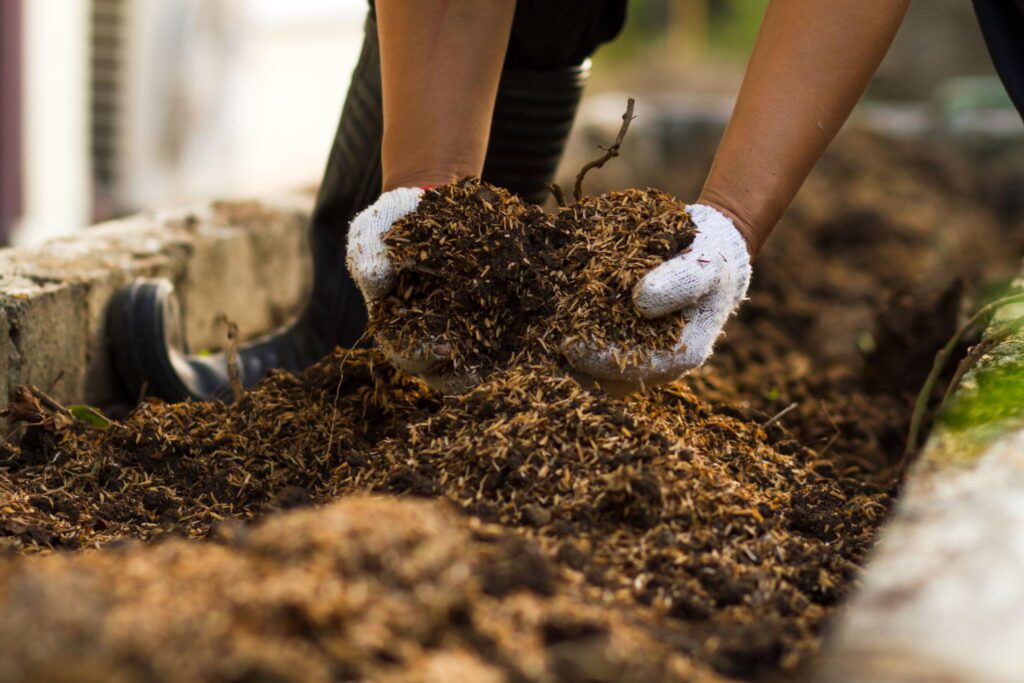
This analyses the single most valuable soil amendment and organic fertilizer available to home gardeners. Finished compost is not particularly high in any one nutrient — it typically analyses at around 1-1-1 NPK — but that understates its value enormously.
Compost improves soil structure (drainage and water retention simultaneously), feeds an enormous diversity of soil organisms, provides a broad spectrum of macro and micronutrients, buffers soil pH, and adds organic matter that further builds soil fertility over time. No single bag of commercial fertilizer provides all of those benefits.
programme. Apply 2 to 4 inches as a top dressing or mulch each spring, or dig it into new beds at 25 to 50% volume. Make your own from kitchen scraps and garden waste, or buy finished compost. It’s the foundation of any organic fertility programme.
2. Worm Castings (Vermicompost)
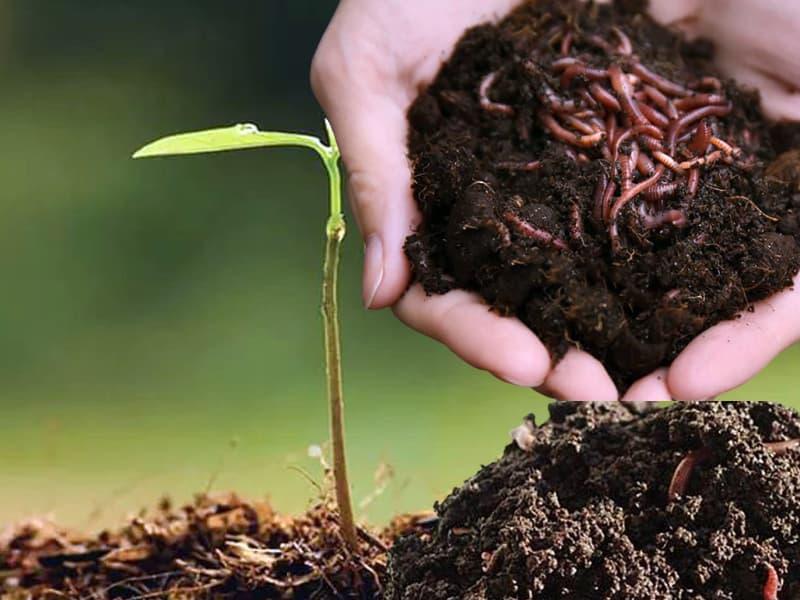
Worm castings are compost processed through the digestive systems of earthworms, and the result is nutritionally denser and more biologically active than regular compost. They’re particularly rich in plant-available nutrients, beneficial microbes, and natural growth regulators.
uptake. Sprays made from worm castings are gentle enough to use directly on seedlings without burn risk, which makes them uniquely versatile. They’re excellent in seed-starting mixes, as a top dressing around transplants, or brewed into “worm casting tea” (a liquid extract applied as a root drench or foliar spray for rapid plant uptake.
The downside: they’re expensive per volume compared to compost. Many gardeners use them strategically — in containers, on seedlings, and around high-value plants — rather than broadcasting them over the entire garden.
3. Fish Emulsion
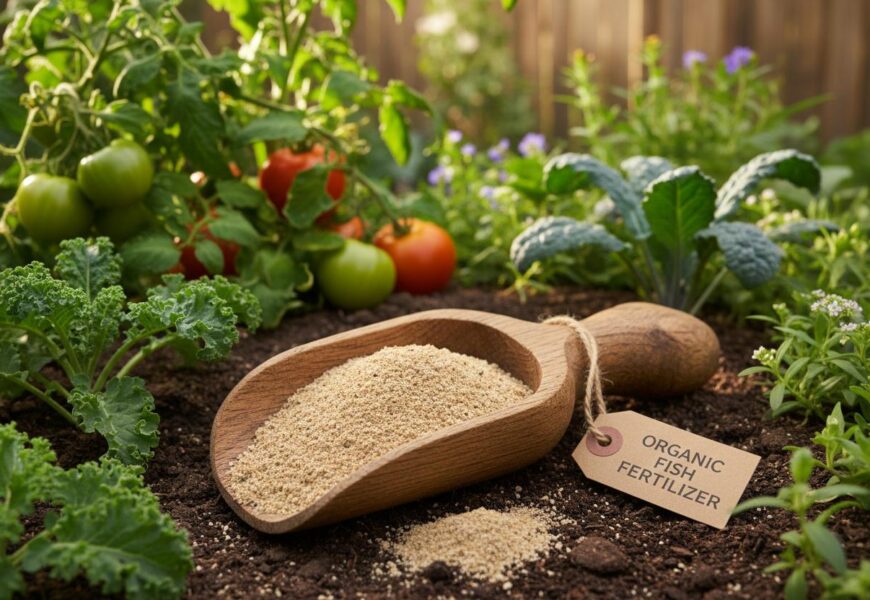
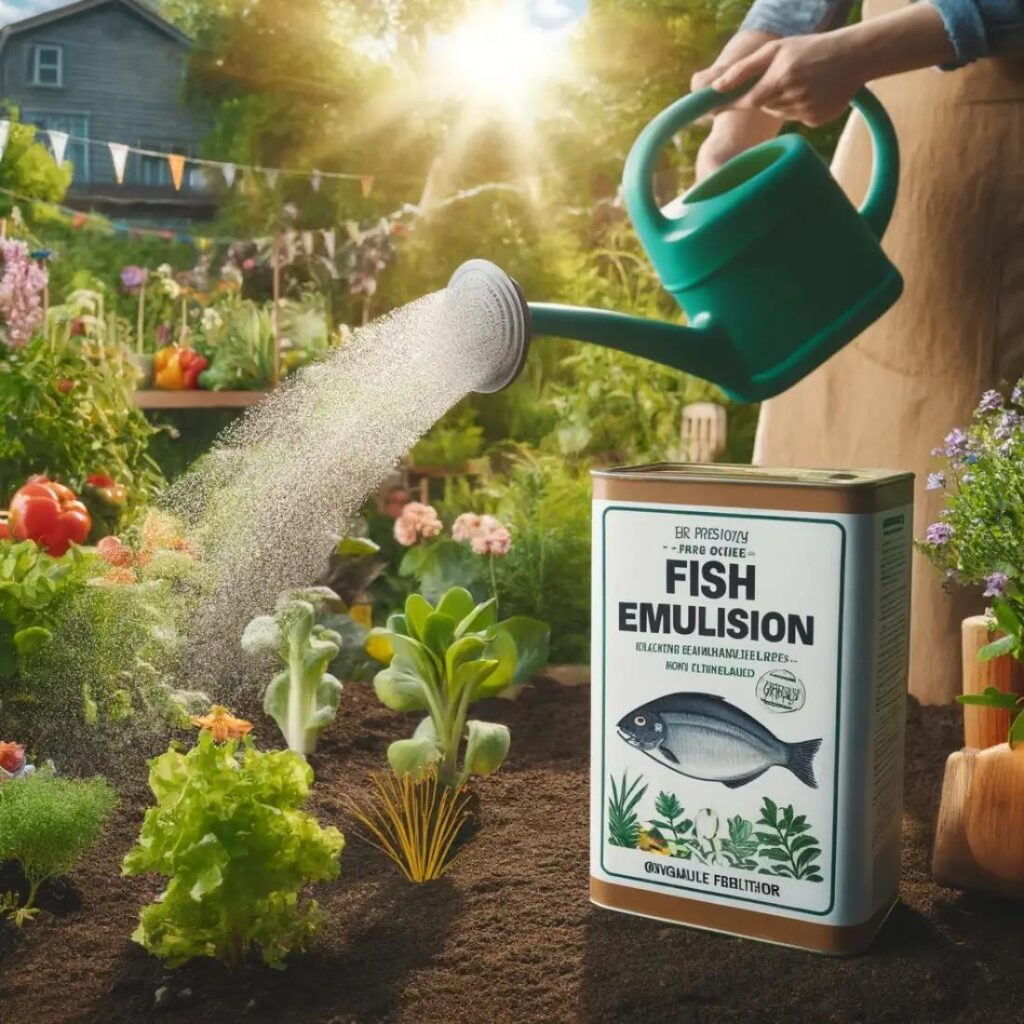
Fish emulsion is a liquid organic fertilizer made from partially decomposed fish. It’s moderately high in nitrogen (typically 5-1-1 or similar) and also contains a range of micronutrients and naturally occurring growth compounds.
It works quickly — plants respond within days — which makes it useful for giving young transplants a boost or correcting visible nitrogen deficiency. It’s easy to apply: dilute with water and apply as a soil drench or foliar spray.
odour. odour. odour. odour. The obvious downside is the smell, which is genuinely unpleasant. Apply in the morning so the smell dissipates through the day, and rinse any foliar-sprayed leaves before it fully dries to reduce odour.
4. Fish Meal
Fish meal is the dried, ground form of the same raw material as fish emulsion. It’s higher in nitrogen (typically 9-3-1 or similar) and releases more slowly, making it an excellent slow-release nitrogen source that lasts through the growing season.
Mix it into soil at planting time or use it as a side dressing around heavy nitrogen feeders like corn, tomatoes, and brassicas. It works particularly well in cool soils where liquid fertilizers break down slowly — the soil biology needed to release fish meal’s nutrients activates at lower temperatures than some other organic sources.
5. Blood Meal
Blood meal is a byproduct of the meat processing industry — dried animal blood. It’s very high in nitrogen (12-0-0 typically) and releases relatively quickly for an organic source, making it useful for rapidly correcting nitrogen deficiency or providing a nitrogen boost early in the season.
Use it cautiously. Blood meal is acidic and can burn plants if over-applied. It also attracts dogs and certain wildlife, which can be a practical problem. Apply at or below label rates and water in thoroughly.
Blood meal is particularly useful around heavy nitrogen feeders and in vegetable gardens in early spring when cold soil slows the breakdown of other organic nitrogen sources.
6. Bone Meal
Bone meal (steamed and ground animal bones) is high in phosphorus (typically 3-15-0 or similar) and also provides a significant amount of calcium. It’s the go-to organic phosphorus source for planting time — mixed into the planting hole or incorporated into bed preparation.
It’s particularly valuable for bulbs, transplants, and root vegetables where phosphorus at the root zone supports establishment and development. Unlike blood meal, bone meal releases slowly and presents minimal burn risk.
One important note: bone meal works best in neutral to acidic soils. In alkaline soils (pH above 7.5), phosphorus from bone meal can become chemically unavailable. Test soil pH before relying on bone meal as your primary phosphorus source.
7. Kelp Meal and Liquid Kelp
Individually, kelp-based fertilizers are derived from seaweed and are nutrient-dense in ways that NPK numbers don’t fully capture. They’re low in nitrogen, phosphorus, and potassium individually, but rich in trace minerals (zinc, iron, manganese, copper, cobalt, and boron) and natural plant hormones, including cytokinins, auxins, and gibberellins.
These growth hormones support cell division, root development, stress tolerance, and fruit set. Plants treated with kelp regularly often show improved performance in ways that go beyond direct nutrition — improved frost tolerance, better drought recovery, and more vigorous root systems.
Use kelp as a supplement to primary fertilizers rather than a standalone. Liquid kelp as a foliar spray every 2 to 3 weeks during the growing season is a simple, effective practice.
8. Feather Meal
Feather meal is made from poultry feathers and is one of the highest-nitrogen organic fertilizers available at 12-0-0 or higher. It releases slowly — over 2 to 4 months — making it excellent for sustained nitrogen delivery through the growing season.
It’s particularly popular among organic vegetable growers who want reliable nitrogen without the frequency of liquid applications. Mix into soil before planting or side-dress along plant rows in spring. It’s slower to smell than blood meal and fish products, which some gardeners appreciate.
9. Greensand
Minerals: Greensand Minerals: Greensand Minerals. Greensand is a marine mineral deposit rich in potassium and trace minerals, including iron, magnesium, and silica. It releases very slowly — over months to years — making it a long-term soil conditioner rather than a quick-acting fertilizer.
It’s particularly useful for improving sandy soils (where it helps retain moisture and nutrients) and for adding potassium to soils that test low in that nutrient. It also helps loosen clay soils over time.
Building greensand – Building greensand is not a fast fix, but as part of a long-term organic soil-building programme, it adds value that synthetic potassium sources can’t replicate.
10. Alfalfa Meal or Pellets
‘triacontanol’. Alfalfa: Vigorous Alfalfa Vigour Alfalfa is an underrated organic fertilizer that provides a moderate amount of nitrogen (around 3-1-2) along with a natural growth stimulant called triacontanol. This fatty alcohol compound has been shown in research to stimulate root development, plant metabolism, and overall vigour in ways that basic NPK analysis doesn’t explain.
Alfalfa works well as a spring amendment worked into vegetable and flower beds, and it’s particularly popular among rose growers, who swear by its effects on bloom production and plant health. Alfalfa pellets are easy to handle and apply. Alfalfa tea (brewed by soaking pellets in water) is an effective liquid application.
Quick Comparison: 10 Best Organic Fertilizers at a Glance
| Building Fertilizer | NPK (approx.) | Release Speed | Best Use |
|---|---|---|---|
| Compost | 1-1-1 | Slow | All-purpose, soil-building |
| Worm Castings | 1-0-0 | Slow | Seedlings, containers |
| Fish Emulsion | 5-1-1 | Fast | Quick nitrogen boost |
| Fish Meal | 9-3-1 | Medium | Side dressing, spring |
| Blood Meal | 12-0-0 | Medium-fast | Rapid nitrogen correction |
| Bone Meal | 3-15-0 | Slow | Planting time phosphorus |
| Kelp Meal/Liquid | 1-0-2 | Slow/Fast | Micronutrients, supplements |
| Feather Meal | 12-0-0 | Slow | Sustained nitrogen |
| Greensand | 0-0-3 | Very slow | Long-term potassium, trace minerals |
| Alfalfa Meal | 3-1-2 | Medium | building fertiliser |
How to Build an Organic Fertility Program
Using organic fertilizers effectively means thinking in combinations and layers rather than single products.
A solid baseline programme for a vegetable garden:
- Fall: Apply 2–4 inches of compost and till or layer in
- Early spring: Side-dress with fish meal or feather meal for nitrogen; bone meal in planting holes
- Throughout season: Liquid fish emulsion or kelp tea every 2–3 weeks as a supplement
- Ongoing: Top-dress with worm castings around high-value plants
This layered approach provides steady nutrition, builds soil health, and supports the biological activity that makes organic programmes perform better year after year.

Conclusion
The. The best organic fertilizer for your garden is rarely a single product — it’s a combination chosen based on what your soil needs and what you’re growing. Compost is the non-negotiable foundation. Beyond that, fish-based products for nitrogen, bone meal for phosphorus at planting, and kelp for micronutrients and stress resilience form the backbone of most successful organic programmes.
Start with a soil test, add compost religiously, and supplement based on what your plants actually need. Done consistently over several seasons, organic fertilization builds the kind of productive, resilient soil that grows better food every year.
FAQs
What is the strongest organic fertilizer for nitrogen?
Blood meal and feather meal are both very high in nitrogen (around 12%) and are the most concentrated organic nitrogen sources readily available to home gardeners.
Is compost a fertilizer or a soil amendment?
Both. Compost improves soil structure (amendment function) and provides slow-release nutrients (fertilizer function). It’s arguably the most valuable thing you can add to garden soil.
Can I over-fertilize with organic fertilizers?
Yes, though it’s harder than with synthetics. Blood meal and fish meal can cause burns if over-applied. The more common risk with organics is adding too much and disrupting soil chemistry over time, particularly with phosphorus.
Which organic fertilizer is best for tomatoes?
A combination of compost at planting, fish emulsion or feather meal for nitrogen during vegetative growth, and kelp for micronutrients and stress tolerance produces excellent results. Bone meal in the planting hole supports early root development.
Are organic fertilizers safe for children and pets?
Fertilisers: Most are far safer than synthetic fertilisers, but blood meal and bone meal attract animals and should be watered in after application. Worm castings and compost are the safest options.