Nitrogen Fertilizer for Lawn is essential but use it wrong and you’ll burn your grass. Learn types, timing, and how much to apply safely.
Introduction
There’s a reason your lawn looks pale and thin while the one across the street looks like a carpet of emerald green. It’s not better grass seed, better soil, or better luck. In most cases, it comes down to one nutrient: nitrogen. Nitrogen is the driving force behind leaf colour, density, and growth rate in turfgrass – and most lawns are chronically short on it.
But nitrogen fertilizer is also the easiest thing to get wrong. Apply too much, at the wrong time, or in the wrong form, and you end up with burnt yellow streaks, chemical runoff, or a lawn that flushes with growth and then crashes. Used correctly, though, nitrogen transforms dull, sparse grass into the kind of yard that makes people slow down as they drive past.
This guide gives you the full picture: which nitrogen fertilizer forms actually work, when to apply them, how much to use, and what mistakes cost you your lawn.
Why Nitrogen Is the Most Important Nutrient for Lawns
Grass is essentially a leafy plant, and leaves are primarily made of proteins. Nitrogen is the core building block of those proteins and of chlorophyll – the green pigment that gives healthy grass its colour and drives photosynthesis.
Without adequate nitrogen, grass grows slowly, loses its deep green colour, and produces thin, sparse blades. Lawns often look yellowish, flat, or patchy when nitrogen is low. With the right amount, grass grows vigorously, fills in bare spots, resists drought stress better, and develops the density that crowds out weeds naturally.
Unlike phosphorus and potassium, which stay in soil for extended periods, nitrogen is highly mobile. Rain and irrigation wash it downward (leaching), plants consume it rapidly, and microbial activity converts it to gas (volatilisation). That’s why lawns need regular nitrogen applications throughout the growing season rather than a single annual feeding.
Types of Nitrogen Fertilizer for Lawns
Not all nitrogen sources behave the same way in soil. Understanding the differences is the key to getting results without damage.
Quick-Release Nitrogen
Quick-release forms like urea (46-0-0), ammonium nitrate, and ammonium sulphate deliver nitrogen rapidly to grass. Plants show a response within 3 to 5 days — visible greening and a noticeable growth flush. This makes them useful when you need fast results.
The downsides are real, though. They have a short window before they leach out of the root zone, especially in sandy soils or with heavy rainfall. They also carry a higher burn risk if over-applied or if the grass is drought-stressed when you apply them.
Slow-Release Nitrogen
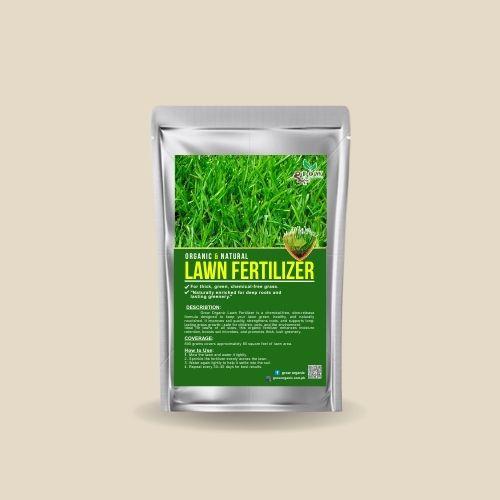
Slow-release or controlled-release nitrogen is the preferred choice for most home lawns. These products release nitrogen gradually over several weeks to months, providing a steady, even feed that minimises burn risk and leaching.
Common slow-release nitrogen sources include:
- Polymer-coated urea (PCU): Urea coated in a polymer shell that controls release rate
- Sulfur-coated urea (SCU): Slightly faster-release than PCU; also adds sulfur to soil
- IBDU (isobutylidene diurea): Releases based on soil moisture, not temperature
- Methylene urea: Releases based on soil microbial activity and temperature
Many commercial lawn fertilizers blend quick-release and slow-release nitrogen to provide an initial green-up followed by sustained feeding.
Organic Nitrogen Sources
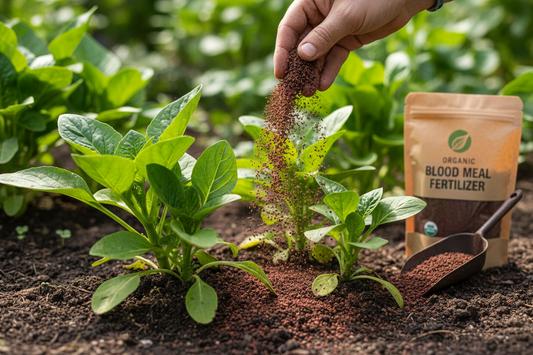
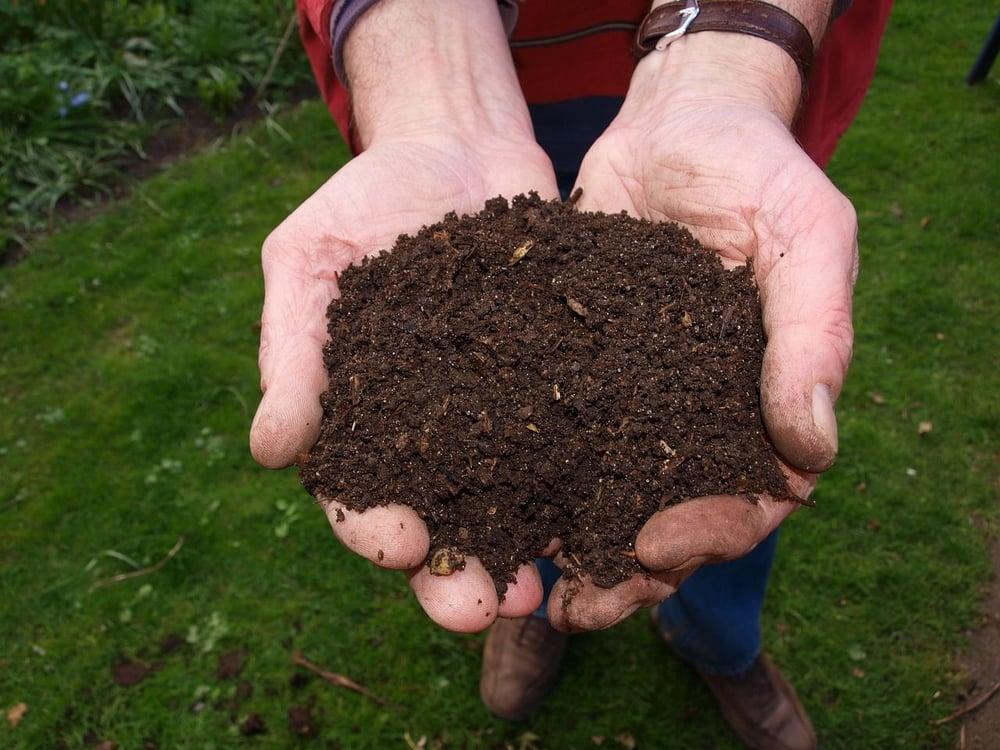
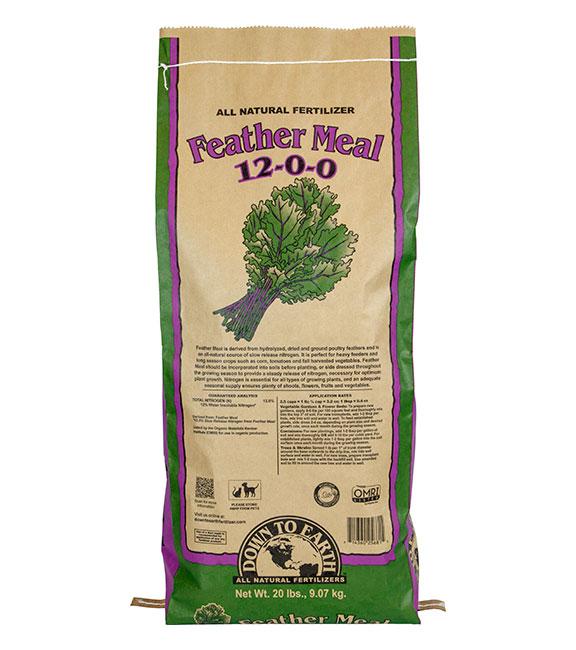
Organic nitrogen comes from natural materials like feather meal, blood meal, composted manure, and soybean meal. These release nitrogen slowly as soil microbes break them down. They’re low-burn, improve soil biology, and work well as part of a long-term lawn health programme.
The practical limitation: they have lower nitrogen percentages and often smell unpleasant (especially blood meal and fish meal). They’re great for fall applications and soil conditioning but may not deliver enough nitrogen quickly enough for spring green-up in depleted lawns.
How Much Nitrogen Does Your Lawn Actually Need?
This is one of the most misunderstood aspects of lawn care. More nitrogen does not mean better results — it means more risk.
The general guideline from turfgrass science is 1 pound of actual nitrogen per 1,000 square feet per application, with annual totals varying by grass type:
| Grass Type | Annual Nitrogen Requirement | Application Frequency |
|---|---|---|
| Kentucky Bluegrass | 3–5 lbs N / 1,000 sq ft | 3–4 times per year |
| Perennial Ryegrass | 2–4 lbs N / 1,000 sq ft | 3–4 times per year |
| Tall Fescue | 2–3 lbs N / 1,000 sq ft | 2–3 times per year |
| Bermudagrass | 4–6 lbs N / 1,000 sq ft | 4–5 times per year |
| Zoysia Grass | 2–4 lbs N / 1,000 sq ft | 3–4 times per year |
| St Augustine grass | 3–5 lbs N / 1,000 sq ft | 4–5 times per year |
| Centipede Grass | 1–2 lbs N / 1,000 sq ft | 1–2 times per year |
| Buffalograss | 1–2 lbs N / 1,000 sq ft | 1–2 times per year |
Calculating actual nitrogen from a bag: multiply the bag weight by the N percentage (first number on the label). A 50-pound bag of 28-0-3 fertilizer contains 14 pounds of actual nitrogen (50 × 0.28).
When to Apply Nitrogen Fertilizer
Timing nitrogen applications correctly is almost as important as the amount you apply.
Cool-Season Grasses (Bluegrass, Fescue, Ryegrass)
These grasses grow most actively in spring and fall when temperatures are between 60°F and 75°F (15°C and 24°C). The most important feeding periods are:
- Early fall (September): The most critical application of the year. Roots are still warm, tops are actively growing, and the plant is storing carbohydrates for winter. This feeding produces the best long-term results.
- Late fall (November): A final feeding before dormancy. Grass takes up nutrients without the top growth surge, building root reserves instead.
- Early spring: Helps grass green up quickly after winter. Don’t over-apply here — too much spring nitrogen leads to excessive top growth at the expense of roots.
- Late spring: A moderate application to maintain colour through summer.
Avoid heavy nitrogen applications in midsummer when cool-season grasses are heat-stressed. They can’t effectively use the nitrogen, and the risk of burn and disease increases.
Warm-Season Grasses (Bermuda, Zoysia, St Augustine)
These grasses grow best between 80°F and 95°F (27°C and 35°C). Feed them when they’re actively growing:
- Begin nitrogen applications 2–3 weeks after the grass fully greens up in spring (not before)
- Continue through summer at 4–6 week intervals
- Stop fertilizing 6–8 weeks before the average first frost date to avoid stimulating growth that will be killed by cold.
How to Apply Nitrogen Fertilizer Without Burning Your Lawn
Fertilizer burn happens when nitrogen concentrations become too high around grass plants, drawing moisture out of root cells through osmosis. The result: yellow or brown streaks, often in a pattern matching your spreader path.
To avoid this:
Water before applying: Lightly irrigate the lawn before applying granular fertilizer. This reduces burn risk, especially in hot, dry conditions.
Water after applying: Water the lawn thoroughly after application — within 24 hours for granular fertilizer — to move nitrogen into the soil and away from leaf surfaces.
Calibrate your spreader: Spreader settings vary by product and machine. Use the settings recommended on the bag and check calibration before you begin.
Avoid overlapping passes: Overlapping spreader paths doubles the nitrogen in those strips, which shows up as darker green stripes — or burnt ones if overdone.
Don’t apply to wet grass: Granular fertilizer sticking to wet grass blades can cause localised burning. Grass should be dry at the time of application.
Apply in cool conditions: Morning applications on cooler days carry much less burn risk than midday applications in summer heat.
Reading Your Lawn’s Nitrogen Needs
Your lawn tells you when it’s nitrogen-deficient. The classic signs:
- Uniform pale yellow-green color across the whole lawn (not patchy)
- Slow growth — you’re mowing less frequently than usual
- Thin, sparse turf that shows soil through the blades
- Loss of that deep, rich green color even with adequate water
Patches of yellowing that follow a geometric pattern may indicate burn from a previous over-application. Irregular yellow patches often suggest other issues like disease, irrigation problems, or grub damage rather than nitrogen deficiency.
A soil test gives you definitive data. Many university extension services offer inexpensive soil testing, and the results tell you not just nitrogen status but pH, phosphorus, potassium, and organic matter. Test your lawn every 2 to 3 years for the most accurate picture.
Slow-Release vs. Quick-Release: Which Should You Choose?
For most home lawns, slow-release nitrogen fertilizers are the better choice. They’re safer, last longer between applications, and produce steadier, more even growth without the dramatic flushes followed by slowdowns that quick-release products create.
Quick-release makes more sense when:
- You need fast results for an event or photograph
- You’re correcting a severe nitrogen deficiency
- You’re applying small, carefully measured amounts
- Temperatures are mild and rain isn’t expected for a few days
The ideal lawn fertilizer program combines both: a slow-release product for the bulk of your seasonal feeding, with an occasional quick-release top-up if growth stalls in midsummer or after a heavy rain that leaches nutrients.
Environmental Considerations
Nitrogen fertilizer runoff is a genuine environmental concern. Excess nitrogen that doesn’t get absorbed by grass roots can leach into groundwater or run off into waterways, contributing to algal blooms and ecosystem disruption.
Reduce your environmental impact by:
- Never applying fertilizer before heavy rain is forecast
- Avoiding application near storm drains, streams, or ponds
- Using slow-release products that reduce leaching risk
- Following label rates — more nitrogen doesn’t mean better results
- Considering a split application (applying half the rate twice) rather than the full rate at once
Many states have fertilizer regulations, especially for coastal areas. Check your local rules before fertilizing.
Conclusion
Nitrogen is the single nutrient that transforms a dull lawn into a vibrant one. But it works best when you match the right form to the right time of year, apply it at rates your grass can actually use, and follow up with water to move it into the root zone.
Start by knowing your grass type and what it needs annually. Choose a slow-release product for regular feeding and save quick-release for situations that need a fast response. Time your applications to align with peak growth periods — fall for cool-season grasses, summer for warm-season types.
FAQs
What is the best nitrogen fertilizer for lawns?
Slow-release products like polymer-coated urea or natural organics like feather meal are excellent choices for most home lawns. Straight urea (46-0-0) works well for experienced users who want precision and economy.
How often should I apply nitrogen to my lawn?
For most cool-season grasses, 3 to 4 times per year. Warm-season grasses may need 4 to 5 applications. Space them at least 4 to 6 weeks apart.
Can too much nitrogen kill grass?
Yes. Excessive nitrogen causes fertilizer burn — desiccation of grass tissue. In severe cases, plants die. Always follow label rates and water after application.
When should I stop applying nitrogen in fall?
Cool-season grasses: taper off after mid-November or once growth stops. Warm-season grasses: stop 6–8 weeks before expected first frost.
Is organic nitrogen fertilizer as effective as synthetic?
Organic nitrogen works well but acts more slowly. It’s ideal for long-term soil health programmes and low-maintenance lawns but may not deliver the rapid green-up of synthetic forms.