Pepper germination time ranges from 7 to 21 days. Learn what affects it, how to speed it up, and why your seeds may not be sprouting at all.
Introduction
You plant your pepper seeds, cover the tray with a humidity dome, and then you wait. And wait. A week goes by. Then two. You start wondering if the seeds were bad, if you did something wrong, or if peppers are just genuinely this difficult. Here’s what most seed-starting guides don’t tell you upfront: Pepper germination is entirely controllable — but only if you understand what the seeds actually need.
Peppers are warm-climate plants with very specific environmental requirements at the germination stage. Get those conditions right, and seeds can sprout in as few as seven days. Get them wrong, and you’ll be staring at a tray of dirt for a month — or longer.
This guide walks through everything that affects how fast your pepper seeds germinate, what problems to watch for, and how to consistently get strong, healthy seedlings.
How Long Does Pepper Germination Actually Take?
The general answer: pepper seeds typically germinate in 7 to 21 days under good conditions. But that range is wide, and a lot of variables affect where your seeds fall within it.
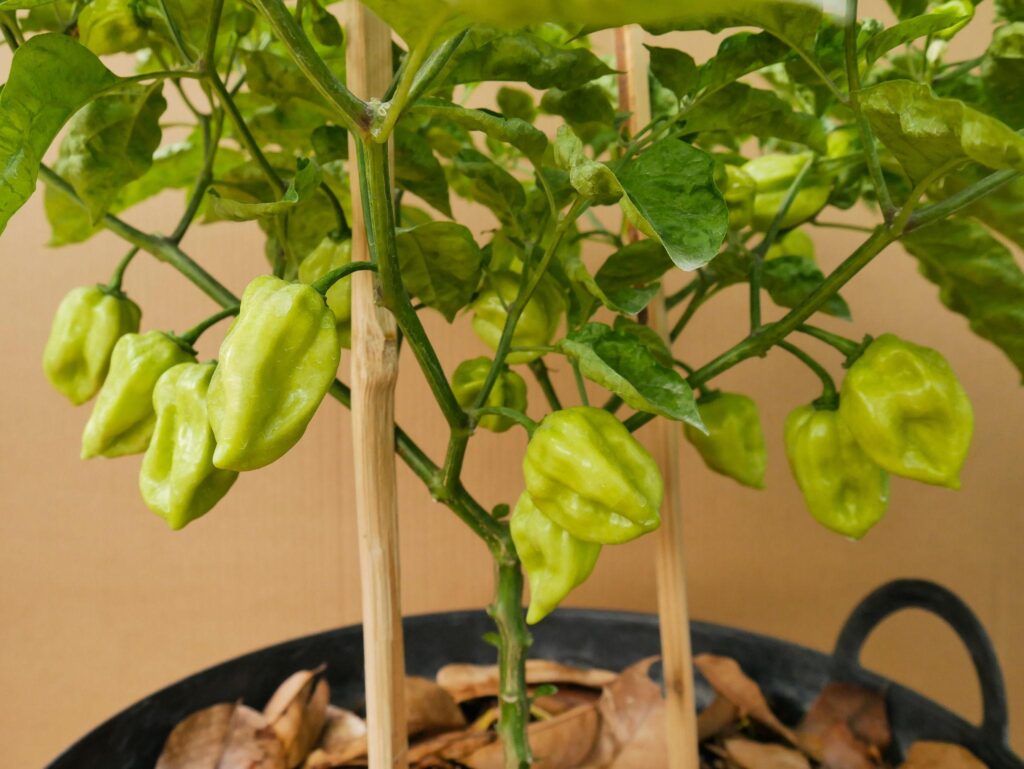
Sweet bell peppers tend to germinate on the faster end — often within 7 to 10 days when temperatures are optimal. Hot peppers, especially superhot varieties like Carolina Reaper, Ghost Pepper (Bhut Jolokia), and Scorpion peppers, often take 2 to 4 weeks and sometimes even longer. The thicker, harder seed coats on many hot varieties slow the process.
Older seeds also take longer. Pepper seeds are viable for 2 to 3 years when stored properly, but germination rates drop noticeably after the first year. A batch of 3-year-old seeds might have a germination rate of 40–60%, compared to 80–90% for fresh seeds.
The Most Important Factor: Soil Temperature
If there’s one thing you take from this article, let it be this: soil temperature is the single biggest determinant of pepper germination time. Not air temperature — soil temperature.
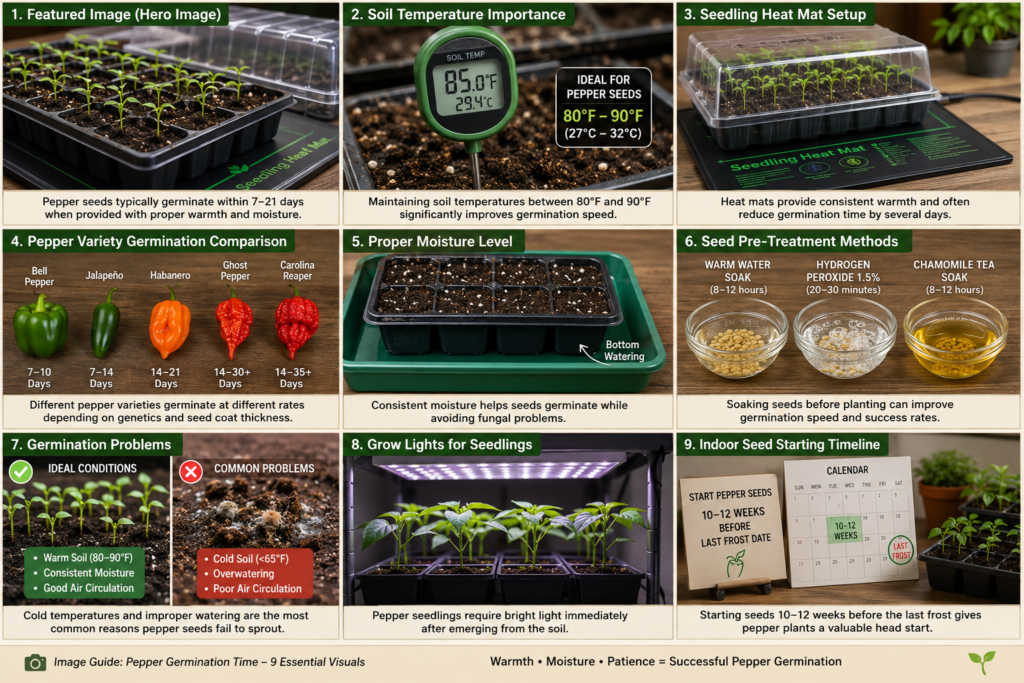
Pepper seeds germinate best between 80°F and 90°F (27°C and 32°C) soil temperatures. Below 65°F (18°C), germination slows dramatically. Below 55°F (13°C), many seeds won’t germinate at all — they just sit there, essentially dormant, until conditions improve.
This surprises a lot of first-time seed starters. You can have a warm house, a sunny windowsill, and seeds sitting in a tray that still won’t germinate because the soil temperature itself is too low. A sunny window in late winter might keep air temperature comfortable, but the potting mix in a seed tray can easily be 10 to 15 degrees cooler.
How to Maintain the Right Soil Temperature
A seedling heat mat is the most reliable solution. These inexpensive mats sit under seed trays and maintain a consistent soil temperature of 70°F to 85°F (21°C to 29°C). Using one almost always speeds up germination noticeably — often cutting the wait time in half.
If you don’t have a heat mat, try placing your seed trays on top of a refrigerator (where warmth rises from the compressor), near (but not on top of) a radiator, or on a high shelf where warm air collects. Use a soil thermometer to check actual temperature rather than guessing.
Germination Times by Pepper Variety
Different pepper types have noticeably different germination timelines. Here’s a practical reference:
| Pepper Variety | Average Germination Time | Optimal Soil Temp |
|---|---|---|
| Bell Pepper | 7–10 days | 80–85°F |
| Banana Pepper | 7–12 days | 80–85°F |
| Jalapeño | 7–14 days | 80–90°F |
| Cayenne | 10–14 days | 80–90°F |
| Serrano | 10–16 days | 80–90°F |
| Habanero | 14–21 days | 85–90°F |
| Ghost Pepper | 14–30+ days | 85–95°F |
| Carolina Reaper | 14–35+ days | 85–95°F |
| Rocoto/Manzano | 21–40+ days | 65–75°F (cooler) |
Note that Rocoto peppers are an exception — they prefer cooler conditions and actually do poorly at high temperatures.
Light, Moisture, and Oxygen: The Supporting Trio
Does Light Affect Germination?
Pepper seeds don’t need light to germinate. In fact, covering the seed tray with a humidity dome or plastic wrap and placing it in a dark, warm location can actually improve germination rates by keeping temperatures more consistent.
Once seeds sprout, however, they need bright light immediately — within hours of emergence, ideally. Seedlings deprived of light quickly become leggy (tall, thin, and weak), and that early etiolation can permanently affect plant strength.
Moisture Management
Seeds need consistent moisture throughout germination — not soaking wet, not drying out between waterings. The goal is soil that feels like a wrung-out sponge: damp but not waterlogged.
Bottom watering works well for seed trays: set the tray in a shallow container of water and let the medium absorb moisture from below. This prevents disturbing seeds and keeps the surface from drying out faster than the deeper layers.
Over-watering is a real problem. Saturated soil reduces oxygen around the seed, and low oxygen slows or prevents germination. It also promotes damping-off — a fungal condition that kills seedlings at the soil line.
Oxygen
Seeds need oxygen to germinate. Compacted or waterlogged soil blocks oxygen from reaching seeds. Use a loose, well-draining seed-starting mix rather than regular garden soil or potting mix. A good seed-starting medium has a light, airy texture that holds moisture while allowing air circulation.
Should You Pre-Treat Pepper Seeds?
Pre-treating seeds before planting can speed up germination, especially for thick-coated hot pepper varieties. Here are the most practical methods:
Soaking: Place seeds in warm (not hot) water for 8 to 12 hours before planting. This softens the seed coat and encourages the seed to absorb water more quickly. Don’t soak longer than 24 hours, as seeds deprived of oxygen for too long can be damaged.
Hydrogen peroxide treatment: Soak seeds in a 1.5% hydrogen peroxide solution for 20–30 minutes. This kills surface pathogens that can inhibit germination and slightly softens the seed coat. Rinse well before planting.
Chamomile tea soak: A folk remedy that many experienced growers swear by. Chamomile has mild antifungal properties and may reduce damping-off. Brew a weak chamomile tea, let it cool, and soak the seeds for a few hours.
Scarification: Lightly scratching the seed coat with fine sandpaper or a nail file before soaking helps water penetrate faster. Useful for older seeds or very thick-coated superhot varieties.
None of these are strictly necessary for fresh seeds of common varieties, but they can meaningfully improve germination rates and speed for challenging varieties or older seed stock.
Planting Depth and Seed Quality
How Deep Should You Plant Pepper Seeds?
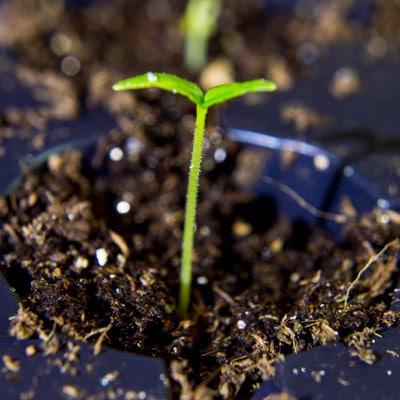
Plant pepper seeds about ¼ inch (6 mm) deep. Too shallow and seeds may dry out or be disturbed easily. If too deep, seedlings struggle to push through to the surface. A general rule: plant seeds at a depth roughly twice their diameter.
Seed Quality and Freshness
Not all seeds are equal. Seeds from reputable suppliers typically have higher germination rates and better uniformity. Saved seeds from your own garden can work well if they were harvested from fully ripe fruit and dried properly before storage.
Test seed viability before the planting season: place 10 seeds on a damp paper towel, fold it up, and put it in a warm location. Check after 10–14 days. If 7 or more sprout, your germination rate is acceptable. Below 50%, consider buying fresh seeds.
Why Aren’t Your Pepper Seeds Germinating?
This is one of the most common questions in gardening forums, and the answer is almost always one of a few things:
Too cold: The most common cause. Check soil temperature with a thermometer. If it’s below 70°F, germination will be slow or fail completely.
Too wet or too dry: Waterlogged soil creates anaerobic conditions. Dry soil means seeds can’t absorb the moisture they need to activate. Check moisture levels daily during germination.
Seeds are too old: Germination rates drop with age. Always check the “packed for” date on seed packets.
Planted too deep: Seeds buried more than ½ inch may lack the energy to push through to the surface.
Wrong seed-starting mix: Dense potting soil or garden soil doesn’t allow enough air circulation around seeds.
Fungal issues: Damping off can kill seedlings before or just after emergence. Use sterile seed-starting mix and avoid overwatering.
After Germination: The Critical First Week
Getting seeds to sprout is only half the battle. What happens immediately after germination determines whether you end up with strong, productive plants or weak seedlings that struggle all season.
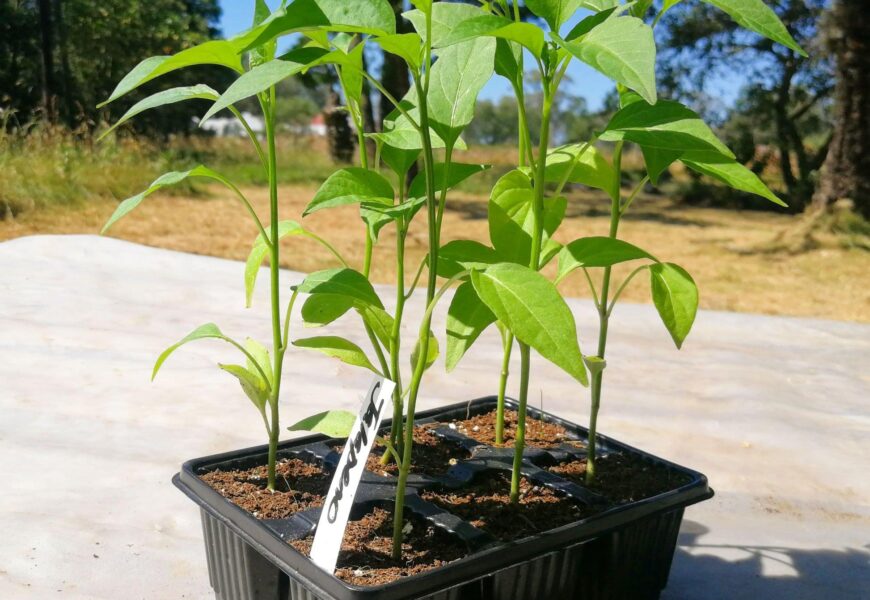
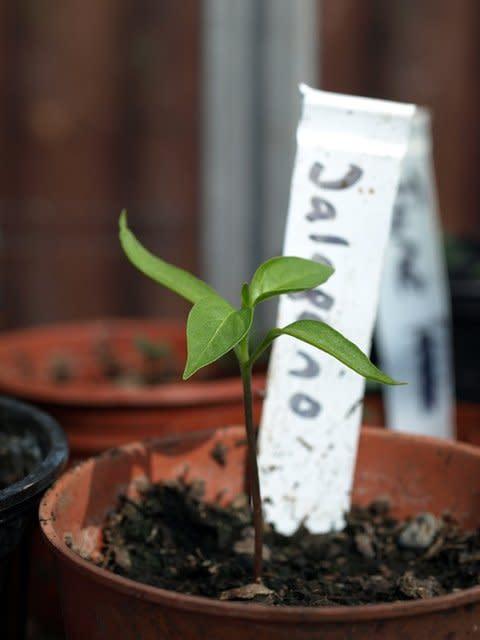
Within 24 hours of emergence, get the seedlings under lights. A full-spectrum LED grow light positioned 2–4 inches above the tray is ideal. Inadequate light is the primary cause of leggy seedlings. Aim for 14–16 hours of light per day.
Lower the temperature slightly after germination. While seeds need heat to sprout, seedlings grow best at 70–75°F (21–24°C) during the day and can tolerate slightly cooler nights.
Begin very light fertilisation once seedlings develop their first true leaves. Use a diluted liquid fertiliser — a quarter to half the recommended strength — every 7–10 days. Seedlings in seed-starting mix have few nutrients to draw on after the first week or two.
When to Start Pepper Seeds Indoors
Timing matters a lot. Pepper plants need a long growing season — they should be started indoors 10 to 12 weeks before your last expected frost date. In many parts of the US, that means starting seeds in January or February for a spring garden.
For superhot varieties, which have longer germination times and slower early growth, starting 14 to 16 weeks before transplant date isn’t excessive. These plants need a head start.
Don’t start too late. Pepper plants that go into the garden before they’re ready will struggle to establish before the heat of summer. Plants started at the right time will be stocky, 4–6 inch tall specimens with several sets of leaves and possibly even flower buds by transplant day.
Conclusion
Pepper germination is one of those things that seems mysterious until you understand the science behind it. At its core, germination comes down to temperature, moisture, and seed quality — three factors entirely within your control.
Keep soil temperature between 80 and 90°F; maintain consistent moisture without waterlogging; use fresh seeds from good sources; and consider pre-soaking for thick-coated hot varieties. Do all of that, and you’ll be transplanting strong pepper seedlings long before your gardening neighbours have even gotten their seeds to sprout.
Start your seeds at the right time, give them immediate light after emergence, and keep them growing strong. The harvest this season depends on those first few weeks.
FAQs
How long does it take for pepper seeds to sprout?
Most varieties sprout in 7 to 21 days. Hot and superhot varieties often take 2 to 4 weeks. Maintaining soil temperature at 80–90°F significantly speeds the process.
Why are my pepper seeds taking so long to germinate?
Most likely causes: soil temperature too low, seeds too old, or inconsistent moisture. Check soil temperature first — it’s the most common culprit.
Do pepper seeds need light to germinate?
No. Seeds germinate in darkness. They only need light after the seedling emerges above the soil surface.
Can I germinate pepper seeds in a paper towel?
Yes, the paper towel method works well for testing viability or pre-sprouting seeds. Place seeds between damp paper towels, seal in a plastic bag, and keep in a warm location. Plant once the root tip (radicle) emerges.
What temperature kills pepper seeds during germination?
Seeds won’t germinate effectively below 60°F. Prolonged exposure to temperatures above 95°F soil temperature can also damage or kill seeds.